

Taking your dog on holiday for the first time is one of those milestone moments that stays with you forever. I still remember packing the car for Charlie's first trip to Cornwall, convinced I'd forgotten something crucial, double-checking the booking confirmation for the tenth time, and wondering whether he'd actually enjoy it or spend the whole week stressed.
Spoiler alert: he loved every second. And now, having taken all six of our pack on countless adventures across the UK, I can honestly say that first trip changed everything about how we holiday as a family.
But here's what I wish someone had told me before that first journey: planning a dog holiday isn't complicated, but it does require thinking about things differently. The accommodation, the journey, the activities, the packing, even the timing of your meals, all need a bit of extra consideration when you've got four paws to think about.
This guide covers everything I've learned from years of trial and error, near disasters, unexpected triumphs, and the kind of practical knowledge you only get from actually doing it. Whether you're planning a weekend away or a fortnight's adventure, this is your complete roadmap to making that first dog holiday brilliant.
Is Your Dog Ready for a Holiday?
Before you start browsing dog-friendly cottages or mapping out coastal walks, there's an honest question to ask: will your dog actually enjoy this?
Not every dog is suited to holidays, and that's perfectly fine. Some dogs find new environments stressful rather than exciting. Others have health conditions that make travel difficult. And puppies under six months generally aren't ready for the upheaval of a proper holiday.
Signs your dog might be ready include being comfortable in the car for journeys over an hour, settling reasonably well in new environments like friends' houses, coping when their routine changes slightly, and being sociable enough to handle meeting other dogs and people.
Signs they might not be ready yet include severe car sickness that doesn't improve with short practice journeys, extreme anxiety in unfamiliar places, aggression towards strangers or other dogs, and medical conditions requiring frequent veterinary attention.
Buster, our oldest, took to travelling immediately. Ember, on the other hand, needed months of preparation before her first overnight trip. We started with day trips, then progressed to one night away, gradually building her confidence. There's no shame in taking things slowly if your dog needs more time.
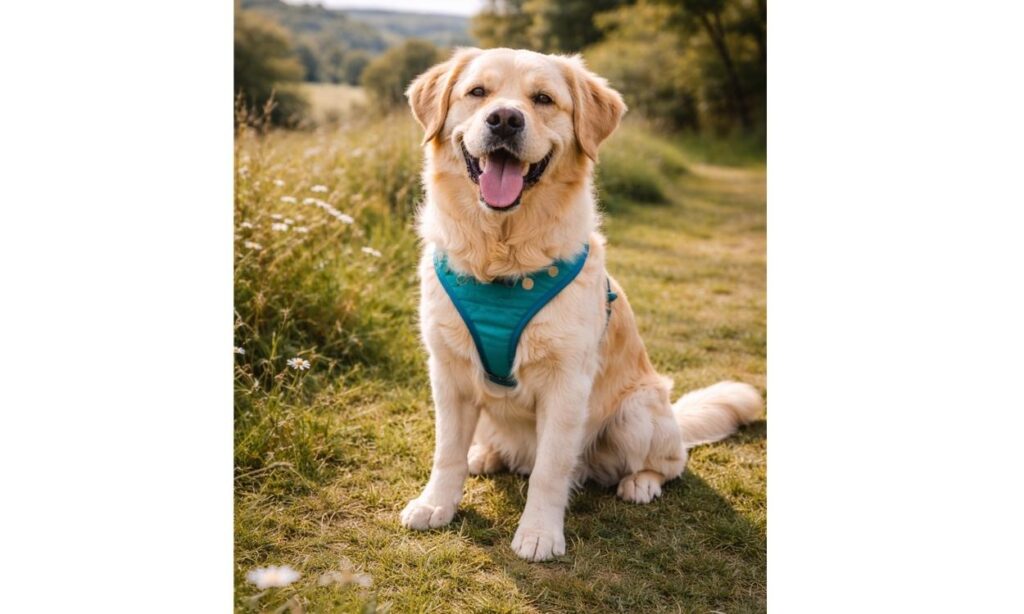
Choosing the Right Type of Holiday
The type of accommodation you choose makes an enormous difference to how relaxed your holiday will be. Get this wrong and you'll spend the week constantly managing your dog rather than enjoying yourselves.
Self-Catering Cottages and Holiday Homes
For most first-time dog holidaymakers, a dog-friendly cottage offers the best balance of freedom and comfort. You've got your own space, no neighbours sharing walls, a garden for those late-night toilet trips, and the flexibility to feed and exercise your dog on your own schedule.
Look for properties with enclosed gardens, this is absolutely crucial if your dog has any recall issues. Ground floor accommodation is easier with older dogs or those uncomfortable with stairs. And check whether the owner provides dog beds, bowls, and towels, as many do these days.
Hotels and B&Bs
Dog-friendly hotels can work brilliantly, but require a dog that's comfortable being left briefly and won't bark when they hear corridor noises. Many hotels restrict dogs to certain room types, so book early for the best selection.
The advantage is someone else does the cooking and cleaning. The disadvantage is less flexibility and potentially more rules about where your dog can go within the property.
Holiday Parks
Dog-friendly holiday parks like Haven and Parkdean offer a middle ground, with self-catering accommodation plus on-site facilities. Many now have dedicated dog exercise areas and agility courses. They're particularly good for families as there's plenty to entertain children while your dog relaxes.
Camping and Glamping
Dog-friendly camping and glamping can be wonderful for confident, settled dogs. The outdoor lifestyle suits many breeds perfectly, and there's usually more space and freedom than other accommodation types. However, it's not ideal for dogs who struggle to settle in unfamiliar environments or those prone to barking at every sound.
The Essential Booking Checklist
When booking any dog-friendly accommodation, get clear answers to these questions before paying your deposit:
Dog-specific questions: How many dogs are accepted? Some properties allow one, others welcome multiple. What size or breed restrictions apply? Sadly, some places still exclude certain breeds. Is there an additional charge? Expect to pay between £20 and £50 per dog per stay. Is the garden fully enclosed? If not, are there safe dog walking areas nearby? Are dogs allowed on furniture and beds, or restricted to floors only? Can dogs be left alone in the property, and for how long?
Practical questions: What dog equipment is provided? Many cottages supply bowls, beds, and towels. Are there any particularly dog-friendly beaches, pubs, or attractions nearby? What's the mobile phone signal like? Important if you need to contact vets. Where's the nearest veterinary practice with emergency cover?
I always save the answers to these questions along with the booking confirmation. It's come in handy more than once when we've arrived to find things weren't quite as expected.
Choosing Your Destination
The UK has countless brilliant destinations for dog holidays, but some suit first-timers better than others. For your inaugural trip, consider somewhere with:
Year-round dog-friendly beaches so you're not restricted by seasonal bans. Northumberland is exceptional for this, as is much of Scotland.
Plenty of walking options at various difficulty levels. The Lake District and Peak District offer everything from gentle lakeside strolls to challenging fell walks.
Good availability of dog-friendly pubs and cafes for those inevitable rainy afternoons. The Cotswolds excels here, with most villages having at least one welcoming pub.
Relatively easy travel from your home. A four-hour drive with a dog who's never travelled that far is optimistic. Stick to two or three hours maximum for a first trip.
Cornwall and Devon are perennially popular and for good reason, but they're also extremely busy during school holidays. For a more relaxed first experience, consider Norfolk, Yorkshire, or Wales, which offer equally beautiful landscapes with fewer crowds.
Preparing Your Dog for Travel
The journey itself can make or break a dog holiday. A stressed, car-sick dog arriving after hours of misery isn't going to bounce straight into holiday mode.
Building Car Confidence
If your dog isn't already a confident traveller, start preparation weeks before your trip. Begin with very short journeys, literally just around the block, gradually increasing duration. Make the car a positive place with treats and favourite toys. Never feed a full meal immediately before travelling.
Max was initially terrible in the car, drooling and pacing constantly. We spent three months doing short practice runs, always ending somewhere fun like a new park or beach. By the time of his first proper holiday, he'd jump into the boot eagerly.
Managing Travel Sickness
Some dogs never fully overcome motion sickness, but there are strategies that help. Keep them facing forward if possible. Ensure good ventilation without direct draughts. Take frequent breaks on longer journeys, at least every two hours. Speak to your vet about anti-nausea medication for severe cases.
Ginger biscuits can help settle doggy stomachs too. I always pack a packet, both for the dogs and for myself when the roads get windy.
The Journey Itself
Plan your route to include dog-friendly rest stops. Motorway services are fine for quick toilet breaks, but try to include at least one proper stop at a park or country area where your dog can have a real stretch and sniff.
Never, ever leave your dog in a parked car, even for "just five minutes." Cars heat up terrifyingly fast, and dogs die in hot cars every summer. If you need to stop somewhere dogs can't go, one person stays with the dog while the other goes in.
Keep water and a bowl accessible throughout the journey. Offer small amounts regularly rather than a huge drink that might come back up.
What to Pack: The Complete List
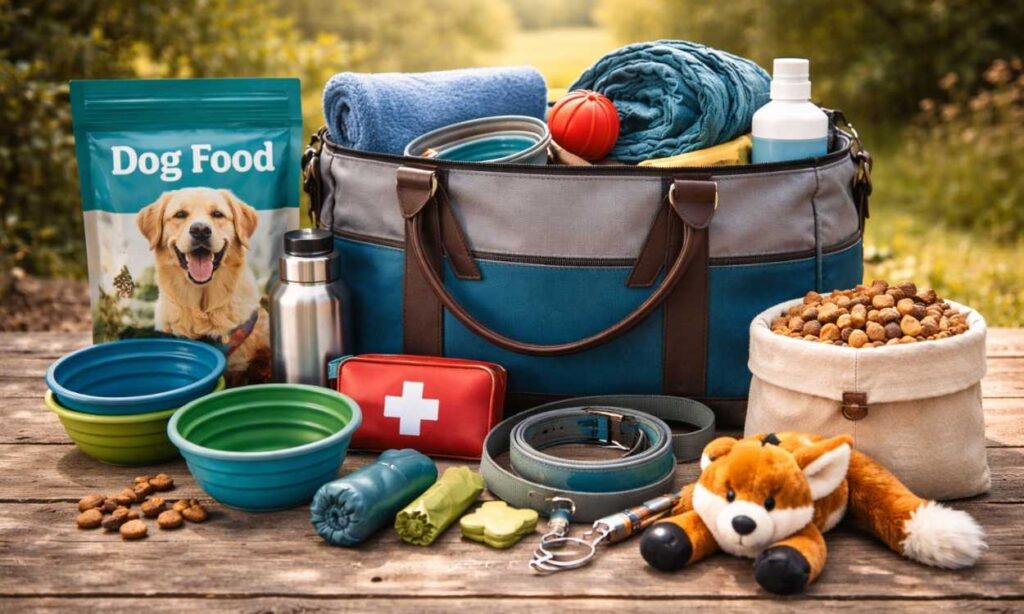
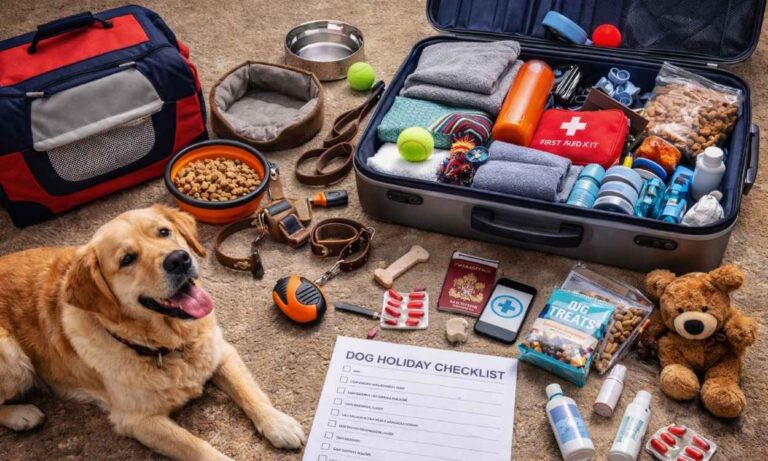
Overpacking for your first dog holiday is virtually impossible. Here's what we never travel without:
The Essentials
Your dog's regular food, enough for the entire trip plus a couple of extra days. Changing food while away almost guarantees an upset stomach. Food and water bowls, unless you've confirmed the accommodation provides them. Fresh water for the journey and first few hours, as some dogs are fussy about different water sources. Lead and collar with up-to-date ID tag showing your mobile number. Consider adding a tag with your holiday address too. Harness or car restraint for safe travel. Poo bags, more than you think you'll need. Vaccination records and any regular medication.
Comfort Items
Your dog's own bed or familiar blanket. The scent of home helps them settle in strange places. Favourite toys, particularly any that help with settling. We always bring Molly's tatty old rabbit, she won't sleep without it. Treats for training and rewards.
Practical Additions
Towels for drying wet dogs, old ones you don't mind getting muddy. A basic first aid kit including tick remover, antiseptic wipes, tweezers, and bandages. Brush or comb for post-walk grooming. Torch for those late evening toilet trips. Long line lead for beaches or open spaces if recall isn't solid.
Just in Case
Recent photo of your dog on your phone in case they get lost. Your home vet's contact details. Pet insurance documents. Any comfort items that help with anxiety.
Arriving and Settling In
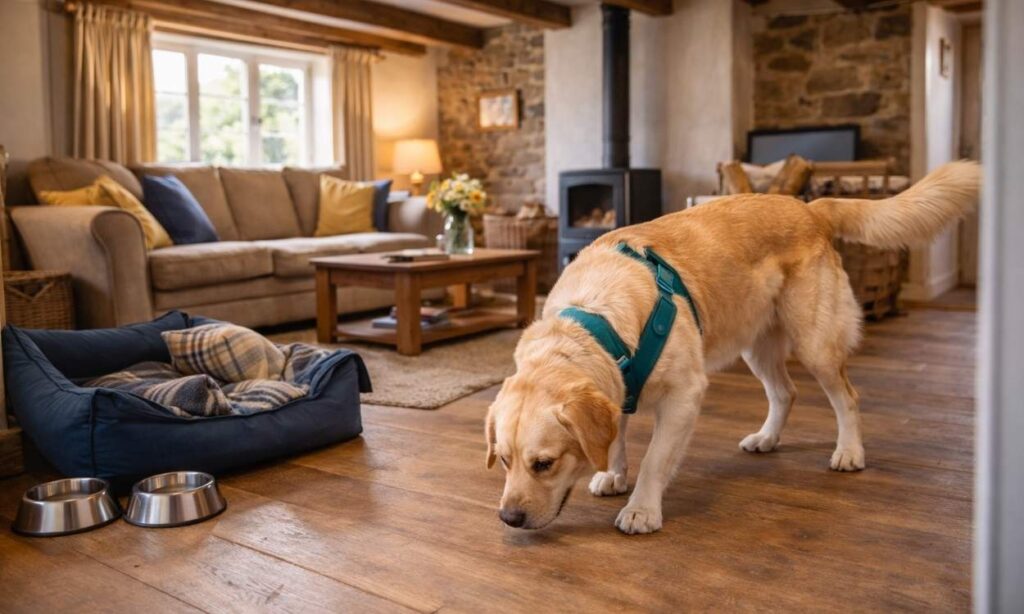
The first few hours at your holiday accommodation set the tone for the whole trip. Resist the urge to immediately head out exploring. Instead, give your dog time to sniff around, find the water bowl, locate the garden access, and generally orient themselves.
Walk them around the garden boundary so they understand the limits. Show them where their bed is. Keep things calm and low-key while they adjust.
Simba always needs a good hour of sniffing every corner of a new place before he's ready to settle. We've learned to build this into our arrival time rather than fighting against his need to investigate.
Try to maintain familiar routines as much as possible. Feed at your usual times, stick to regular walk schedules, keep bedtime consistent. Dogs find comfort in predictability, especially when everything else is new.
Planning Dog-Friendly Activities
A holiday packed with activities your dog can't join is frustrating for everyone. Before each day, check that your planned attractions welcome dogs.
Beaches
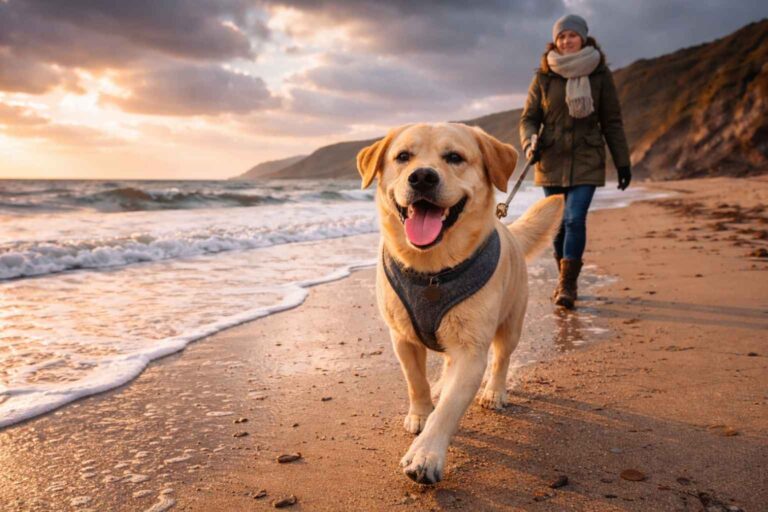
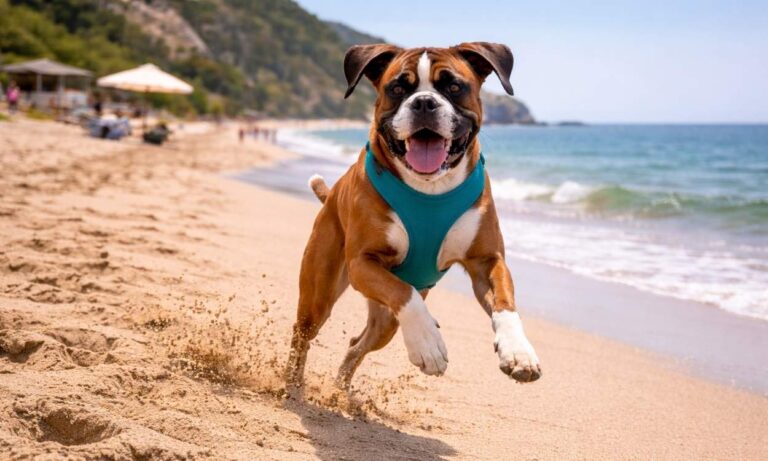
Check seasonal dog restrictions before assuming you can visit. Most popular beaches ban dogs between May and September, at least during peak hours. The dog-friendly beaches we've mapped are either year-round or have unrestricted sections. Always check tide times too, we once got caught out on a beach that became completely submerged at high tide.
Walks and Trails
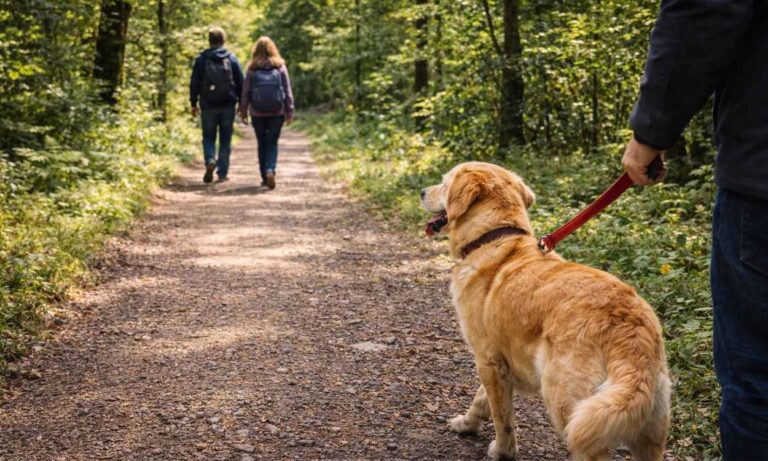
Research routes in advance to ensure they're suitable for your dog's fitness level and any access restrictions. The long-distance trails across the UK mostly welcome dogs, but some sections cross farmland with seasonal livestock restrictions. We always carry a paper map as well as relying on phones, as signals can be patchy in remote areas.
Pubs and Cafes
Not every establishment welcomes dogs, and some only allow them in certain areas. I check reviews online before turning up anywhere, looking specifically for comments about dog-friendliness. Pubs with rooms are often your safest bet, as they're geared up for canine guests.
Attractions
Many National Trust properties welcome dogs in grounds and gardens but not inside buildings. Check individual attraction policies before visiting. Some castles, gardens, and outdoor museums are brilliantly dog-friendly, while others are more restrictive.
Handling Common Challenges
Even with perfect planning, things don't always go smoothly. Here's how to handle the situations that catch most first-timers off guard.
Your Dog Won't Settle at Night
Strange sounds, unfamiliar smells, and a different bed can unsettle even confident dogs. Bring bedding from home that smells familiar. Consider sleeping in the same room for the first night or two if needed. White noise from a phone app can mask unfamiliar sounds that trigger barking.
Charlie spent our first night away pacing and whining until we brought his bed into our room. By night three he was happily sleeping in the living room as usual.
Encounters with Other Dogs
Holiday hotspots mean more dogs. Keep yours on lead in busy areas until you've assessed the situation. Not all dogs are friendly, and not all owners are responsible. If your dog is reactive, seek out quieter locations and early morning or evening walks when popular spots are emptier.
Wet Weather Days
British weather is unpredictable. Have indoor backup activities planned: puzzle feeders, training sessions, grooming time. Rainy day activities exist in most areas, from covered markets to dog-friendly cafes where you can while away an afternoon.
Minor Injuries and Illness
Ticks, thorns, cut pads, and upset stomachs are common holiday complaints. Know where the nearest vet is before you need one. A basic first aid kit handles most minor issues. If your dog seems unwell, trust your instincts and seek professional advice sooner rather than later.
Your Dog Gets Lost
This is every owner's nightmare. Ensure ID tags show your mobile number and ideally your holiday address. Microchip details should be up to date with current contact information. If the worst happens, contact local vets, dog wardens, and post on local Facebook groups immediately.
Making It Special
Your first dog holiday should be memorable for the right reasons. Here are the things that transform a good trip into a great one:
Let your dog set some of the pace. Yes, you want to visit that famous viewpoint, but if your dog is more interested in the smells along the path, enjoy that too. Their holiday matters as much as yours.
Try something new together. Maybe it's your first wild swim, your first paddle boarding session, or simply your first cream tea in a garden with a dog at your feet. Shared new experiences strengthen your bond.
Take lots of photos. You'll want to remember this trip. Get someone to take pictures of you and your dog together, not just solo shots of them looking noble on a clifftop.
End each day positively. A tired, happy dog sleeping at your feet after a day of adventures is one of life's simple pleasures. Make time for that quiet evening wind-down rather than cramming in one more activity.
Frequently Asked Questions
How far should I drive for a first dog holiday?
Stick to two to three hours maximum. Longer journeys are fine once you and your dog have more experience, but the first trip isn't the time to test limits. Choose somewhere closer and save the epic road trips for later.
Should I take my puppy on holiday?
Puppies under six months are generally too young for proper holidays. They need routine, frequent toilet breaks, and aren't fully vaccinated. From six months, short trips can work well, but keep them low-key and prioritise your puppy's needs over your itinerary.
What if my dog doesn't like the accommodation?
Give them time to settle, at least 24 hours before concluding it's not working. Maintain familiar routines, bring comfort items from home, and keep things calm. If they're genuinely distressed after a full day, consider whether continuing the holiday is fair on them.
Can I leave my dog alone in holiday accommodation?
Many properties allow dogs to be left for short periods, typically up to four hours. Check the specific policy when booking. Never leave a dog who isn't comfortable being alone, and always leave them with something to occupy them. For more on this, see our guide to leaving dogs alone on holiday.
What about eating out?
Research dog-friendly restaurants, pubs, and cafes before you go. Outside areas are usually easier than inside. Bring a mat for your dog to lie on and treats to keep them occupied. Avoid busy times when staff might be less patient with canine guests.
How do I find emergency vets while away?
Search before you travel and save the number. Most areas have at least one practice with 24-hour emergency cover. Your pet insurance helpline can also locate services for you in an emergency.
Is pet insurance necessary for a UK holiday?
Technically no, but strongly recommended. Unexpected vet bills can easily run into hundreds or thousands of pounds. Having insurance means you can seek treatment without worrying about cost.
What if it rains all week?
British holidays require flexibility. Pack waterproofs for both you and your dog. Know which local attractions are covered or indoor. Remember that dogs don't actually melt in rain, and a properly dried dog after a wet walk is perfectly happy.
Should I stick to my dog's normal food routine?
Absolutely. Any change in diet while away risks stomach upsets. Bring enough of their regular food to last the entire trip. Keep feeding times as close to normal as possible.
How do I keep my dog safe on beaches?
Watch for signs of heat exhaustion, provide shade and water, and be cautious of strong currents if your dog swims. Check for jellyfish and sharp objects on the sand. Rinse saltwater off after swimming to prevent skin irritation.
Your First Adventure Awaits
Planning your first dog holiday takes more thought than booking a trip alone, but the reward is sharing incredible experiences with your best friend. There's nothing quite like watching your dog discover a new beach, seeing their joy as they bound through unfamiliar woodland, or that contented sigh as they settle in a sunny beer garden after a long walk.
Start with a shorter trip, somewhere not too far, with accommodation that genuinely welcomes dogs rather than merely tolerating them. Build confidence, learn what works for your particular dog, and use that knowledge for increasingly ambitious adventures.
Wherever you choose to go, whatever you choose to do, the fact that you're taking your dog along makes it better. These are the memories that last, the photos you'll treasure, the stories you'll tell.
Now stop researching and start booking. Your first dog holiday is waiting.
From our family to yours, happy travels.
Luke, Charlie, Buster, Ember, Simba, Max, and Molly

⚠️ Comments Currently Disabled
We've had to temporarily disable our comment section due to a high volume of spam. We apologise for any inconvenience this may cause to our lovely readers!
If you'd like to share your thoughts, experiences, or feedback, please send us an email directly at info@thedogholiday.co.uk and we'll be happy to add your comment manually.
Thank you for your understanding! 🐾
Leave a Comment