
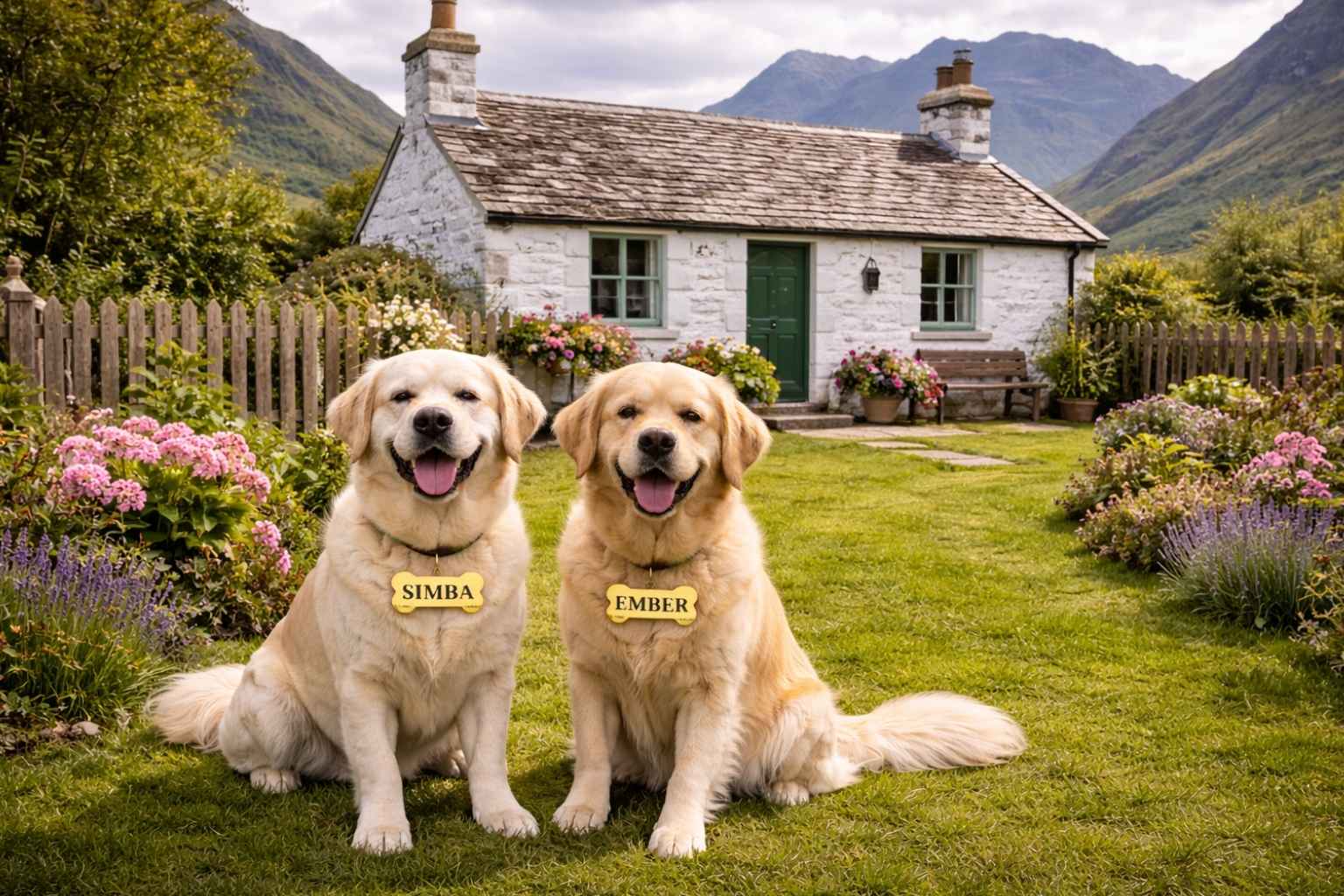
Scotland does dog-friendly accommodation better than anywhere else in Britain. The combination of rural culture, outdoor lifestyle and genuine hospitality creates conditions where dogs are welcomed as naturally as any family member. From traditional crofts with mountain views to contemporary lodges with hot tubs, Scottish cottages understand that holidays mean bringing the whole family.
What sets Scottish accommodation apart is the landscape it opens onto. A cottage in the Highlands offers walks from the doorstep that would require hours of driving elsewhere. Island properties provide beach access without seasonal restrictions. Even city apartments sit within reach of hills and parks that make urban dog ownership manageable.
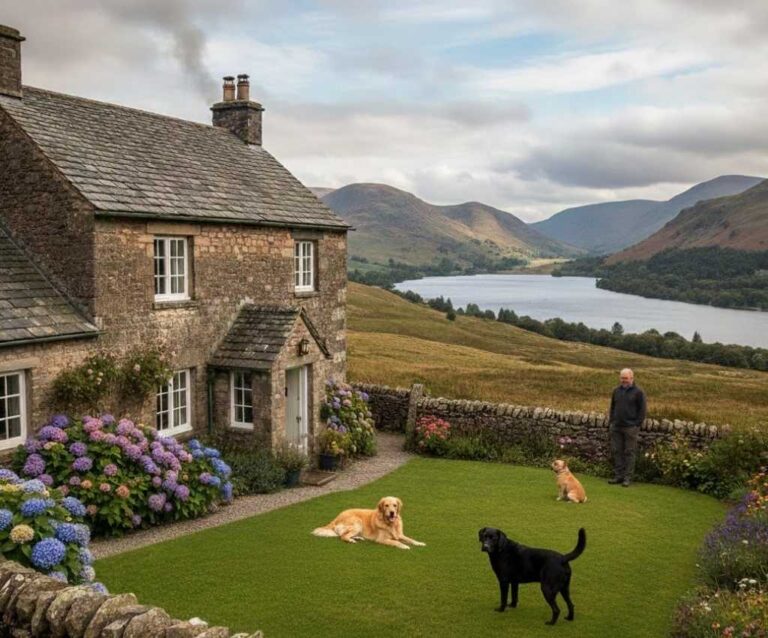
The accommodation itself often reflects Scottish character: stone walls, wood-burning stoves, practical boot rooms and that particular warmth that comes from places built to withstand proper weather. Modern additions like hot tubs and underfloor heating complement traditional features without losing authenticity. And the welcome for dogs typically goes beyond mere tolerance to genuine enthusiasm.
Charlie, Buster, Ember, Simba, Max and Molly have stayed in Scottish cottages from the Borders to the far north. We have found properties that exceed expectations and learned what makes the difference between adequate and exceptional dog-friendly accommodation. This guide shares that experience.
Scottish Regions for Cottage Holidays
The Highlands
The Highlands contain Scotland's most dramatic landscapes and some of its finest dog-friendly accommodation. The region divides into distinct areas, each with different character and cottage availability.
Cairngorms and Aviemore
Britain's largest national park attracts visitors year-round, and accommodation reflects this popularity. The area around Aviemore offers excellent choice, from log cabins in pine forests to traditional cottages in quieter villages like Boat of Garten, Carrbridge and Nethy Bridge.
Cairngorms cottages typically feature:
- Proximity to ancient Caledonian pine forests (ideal for off-lead walking)
- Wood-burning stoves or log fires
- Mountain or forest views
- Access to well-maintained walking trails
- Wildlife watching opportunities (red squirrels, pine martens, deer)
The forest setting suits dogs who love off-lead exercise without livestock concerns. Many properties offer direct access to forest tracks. Winter brings additional appeal with snow-covered landscapes and the possibility of encountering ptarmigan and mountain hares.
Loch Ness and the Great Glen
The famous loch draws visitors, but the surrounding area offers excellent cottage accommodation with varied walking. Properties around Drumnadrochit, Fort Augustus and Invermoriston combine monster hunting with genuine Highland hospitality.
Cottages here often provide:
- Loch views or access
- Connections to the Great Glen Way and Caledonian Canal towpath
- Proximity to Inverness (the Highland capital) for supplies
- Day trip access to the west coast
Northwest Highlands
The remote northwest (Torridon, Gairloch, Ullapool, Assynt) delivers Scotland at its most dramatic. Accommodation is sparser but often exceptional, with cottages offering genuine wilderness access and minimal light pollution for dark sky viewing.
Expect:
- Remote locations requiring self-sufficiency
- Spectacular mountain and coastal scenery
- Longer drives to shops and services
- Genuine solitude and wildlife
- Properties often accepting multiple dogs
Far North
The coast between Durness and John o'Groats offers Britain's most remote mainland accommodation. The North Coast 500 route has increased visitor numbers, but the landscape remains genuinely wild. Cottages here suit those seeking true escape.
Isle of Skye
Skye has become Scotland's most visited island, famous for landscapes that regularly appear in international photography. Dog-friendly cottages are abundant but book quickly, particularly for peak season.
South Skye (Sleat)
The Sleat peninsula, reached directly from the Mallaig ferry, offers gentler landscapes than northern Skye. Properties around Armadale, Ardvasar and Isleornsay combine sea views with woodland walks. The ferry connection provides flexibility for day trips to the mainland.
Cottages typically offer:
- Sea views towards the mainland mountains
- Woodland and coastal walking from the door
- Proximity to Armadale Castle gardens
- Quieter atmosphere than northern Skye
Central and Northern Skye
The dramatic landscapes around Portree, the Quiraing and the Cuillin mountains draw most visitors. Cottages in areas like Dunvegan, Uig and around Portree provide access to the most photographed locations.
Expect:
- Higher demand and prices during peak season
- Need to travel for walks (popular sites get crowded)
- Greater variety of pubs and restaurants
- Spectacular scenery in all directions
What to Consider on Skye
Peak season (July-August) brings crowds that can overwhelm popular walking routes. Spring and autumn offer better conditions for dogs: quieter paths, cooler temperatures, and more available accommodation. Single-track roads require patience. Book ferries in advance during busy periods.
Scottish Borders
The Borders provide accessible Scottish character within easy reach of Edinburgh and northern England. Rolling hills, historic abbeys and charming market towns create a gentler introduction to Scotland than the Highlands.
Key areas:
Melrose and the Eildon Hills: The pretty town of Melrose sits beneath the distinctive Eildon Hills, offering excellent walking and access to the abbey ruins. Cottages in and around the town provide good facilities with countryside access.
Kelso and the Tweed Valley: The historic town of Kelso sits at the confluence of the Tweed and Teviot rivers. Excellent riverside walking and proximity to several great houses make this area appealing. Cottages range from town houses to rural farmhouses.
Jedburgh and the Cheviot Foothills: Closer to the English border, this area offers access to wilder hill country while maintaining good facilities. The Cheviot Hills provide challenging walking for fit dogs and owners.
Borders cottages suit those wanting:
- Easier access from England and central Scotland
- Good facilities (shops, pubs, restaurants)
- Gentler walking terrain
- Historic interest (abbeys, castles, battlefields)
- Generally drier weather than western Scotland
Dumfries and Galloway
Scotland's overlooked southwest combines excellent beaches, forested hills and charming towns with significantly fewer visitors than the Highlands. Cottage accommodation offers excellent value and genuine Scottish character.
The Solway Coast
The coast around Kirkcudbright, Rockcliffe and Kippford provides attractive beach access and sailing atmosphere. Cottages often sit within walking distance of sandy beaches that welcome dogs year-round.
Galloway Forest
Britain's first Dark Sky Park offers extensive forest walking and exceptional star gazing. Cottages around Newton Stewart, Castle Douglas and the forest fringes provide access to miles of tracks without livestock concerns.
Key features:
- Less crowded than Highland destinations
- Generally better value accommodation
- Milder climate with less rainfall
- Excellent beaches without restrictions
- Good walking in forests and hills
Argyll and the Islands
The western seaboard and islands offer romantic Scottish landscapes with sea lochs, mountains and that particular quality of light that painters have sought for centuries.
Oban and Lorn
The harbour town of Oban provides ferry connections to multiple islands while offering mainland cottage options. Properties in the surrounding area combine coastal and mountain access.
Mull
Scotland's second-largest island offers varied landscapes, abundant wildlife and a 45-minute ferry crossing from Oban. Dog-friendly cottages are available throughout the island, with the colourful harbour town of Tobermory providing particular character.
Arran
Often called Scotland in miniature, Arran combines Highland scenery in the north with gentler lowland character in the south. The short ferry crossing from Ardrossan makes it accessible for weekend breaks. Dogs welcome on ferries and throughout the island.
Perthshire
Central Scotland's big trees, long lochs and accessible mountains make Perthshire ideal for those wanting Highland scenery without extreme distances. The area around Pitlochry, Dunkeld and Aberfeldy offers excellent cottage choice.
Pitlochry and the Tummel Valley
The Victorian resort town of Pitlochry provides excellent facilities while remaining surrounded by Highland scenery. Cottages in and around the town combine convenience with countryside access. The surrounding area includes:
- Walks along the River Tummel and Loch Faskally
- The Enchanted Forest (autumn light show in the woods)
- Queen's View overlooking Loch Tummel
- Pass of Killiecrankie with excellent woodland walks
- Blair Castle and grounds (dogs welcome in extensive grounds)
Properties range from Victorian townhouses to rural cottages and modern lodges. The area's popularity means good availability of dog-friendly options.
Dunkeld and Birnam
These twin towns on the River Tay offer some of Scotland's finest woodland walking. The Hermitage features one of Britain's tallest trees and a dramatic waterfall. Birnam Wood (yes, the one from Macbeth) provides atmospheric exploration. Cottages here suit those wanting accessible walking with exceptional natural beauty.
Aberfeldy and Highland Perthshire
Further into the Highlands, Aberfeldy provides access to the beautiful Birks of Aberfeldy walk (celebrated by Robert Burns) and the dramatic Falls of Dochart at Killin. Loch Tay stretches westward into increasingly dramatic scenery. Cottages become more remote but walking options multiply.
Highlights:
- Ancient forests with some of Britain's largest trees
- Loch walks providing easier alternatives to mountain routes
- Good road and rail connections from Edinburgh and Glasgow
- Attractive towns with excellent facilities
- Generally accessible terrain for dogs of varying fitness
- Less midgy than western Scotland
- Good mix of challenging and gentle walking
Edinburgh and Glasgow
City apartments and suburban cottages provide bases for urban exploration combined with countryside access. Both cities offer surprising amounts of green space and connect easily to proper walking country.
Edinburgh options:
- Georgian townhouses in the New Town (often with shared gardens)
- Converted properties in Leith or Stockbridge (dog-friendly neighbourhoods)
- Suburban houses with garden access in areas like Corstorphine or Cramond
- Easy access to Arthur's Seat, Pentland Hills, East Lothian beaches
Edinburgh's compactness makes it genuinely dog-friendly. Arthur's Seat provides a proper hill walk within the city. The Water of Leith walkway runs through the city. Portobello beach welcomes dogs. And the surrounding countryside (Pentland Hills, East Lothian, Scottish Borders) lies within easy reach.
Many Edinburgh pubs and restaurants welcome dogs, particularly in areas like Stockbridge, Leith and the Grassmarket. The city works for dog owners better than most British cities.
Glasgow options:
- West End apartments near Kelvingrove Park (excellent dog walking)
- Properties with access to the Clyde Valley
- Good public transport to Loch Lomond and the Trossachs
- Access to nearby countryside including Mugdock Country Park
Glasgow's West End has developed a strong dog culture, with numerous dog-friendly cafes and bars around Byres Road. The city's extensive parks (Kelvingrove, Pollok, Queen's Park) provide good exercise. Loch Lomond lies just 30 minutes away for more serious walking.
Accommodation Types
Traditional Cottages
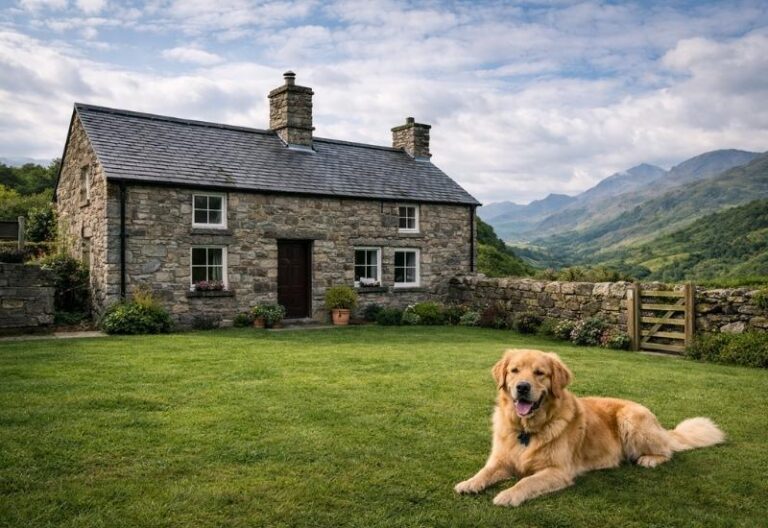
Stone-built cottages with traditional features dominate the Scottish market. Expect:
- Thick stone walls (excellent insulation and character)
- Small windows (historic design, can limit light)
- Wood-burning stoves or open fires
- Beamed ceilings in older properties
- Slate or tile roofs
- Character features with some quirks
Traditional cottages suit those wanting authentic Scottish atmosphere. They work particularly well in winter when fires create cosy environments. Summer can find them slightly dark, but the trade-off for character is worthwhile.
Log Cabins and Lodges
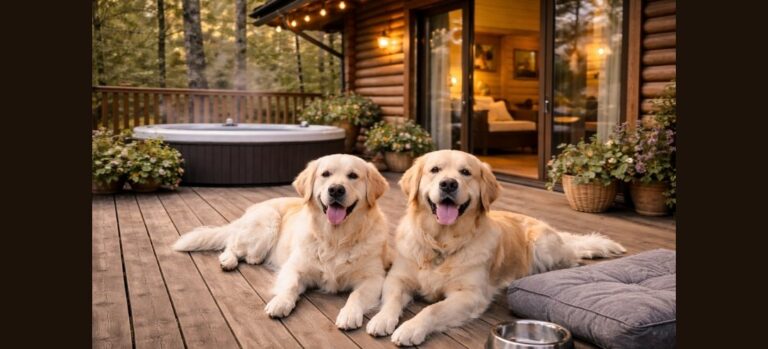
Modern log cabins have become increasingly popular, particularly in the Cairngorms and around resort areas. Features typically include:
- Open-plan living spaces
- Large windows maximising views
- Contemporary kitchens and bathrooms
- Decks or balconies
- Hot tubs (often included)
- Efficient heating systems
Log cabins suit those wanting comfort and convenience. They generally offer more space than traditional cottages and easier maintenance. The lack of historical character is compensated by practical modern design.
Converted Steadings and Barns
Farm building conversions combine historic character with modern convenience. Common features include:
- High ceilings and open spaces
- Exposed stone and timber
- Contemporary additions (glass, steel)
- Often part of larger complexes or estates
- May share grounds with other properties
Conversions often provide excellent space for dogs while maintaining architectural interest. The combination of historic materials with modern comfort creates appealing accommodation.
Crofts and Bothies
Simple rural dwellings offer basic but authentic accommodation. Traditional crofts and bothies (simple shelters) provide:
- Basic facilities
- Remote locations
- Authentic atmosphere
- Often very affordable
- Genuine escape
These suit experienced visitors comfortable with simpler living. Not ideal for those requiring modern conveniences, but perfect for genuine wilderness experience.
Estate Properties
Scotland's large estates often offer accommodation ranging from gatekeepers' cottages to substantial houses. Benefits include:
- Access to estate grounds and facilities
- Often extensive walking on estate land
- Fishing, shooting or other activities (seasonal)
- Historic character and grounds
- Sometimes butler or catering services available
Estate properties suit those wanting space and exclusivity. Larger groups particularly benefit from house-sized accommodation with grounds.
What to Look For
Enclosed Gardens
Perhaps the most important feature for dog owners. Scotland's remote locations make enclosed gardens essential for:
- Evening toilet trips (particularly important in areas with livestock)
- Security in unfamiliar surroundings
- Freedom for dogs to rest outside during the day
- Peace of mind when unpacking or cooking
Not all advertised gardens are genuinely secure. Check photographs carefully. Ask specific questions about fencing height and gate security. Properties on working farms may have limitations.
Proximity to Walking
Scotland's right to roam means walking is possible almost anywhere, but convenience matters. Look for:
- Direct access to paths or tracks from the property
- Nearby forest or moorland without livestock
- Beach access for coastal properties
- Information about local walking routes
The best cottages offer walks from the door that provide meaningful exercise, not just a quick circuit.
Drying Facilities
Scottish weather creates wet dogs. Essential features include:
- Boot rooms or utility spaces for muddy gear
- Towel hooks or drying racks
- Hard flooring in entry areas (easier to clean)
- Heating that actually dries things (wood burners excel)
Wood-Burning Stoves
Almost universal in quality Scottish cottages, wood burners provide:
- Effective heating (essential in Highland winters)
- Atmospheric ambience
- Excellent drying for wet dogs and clothing
- That particular smell of woodsmoke that signals relaxation
Check whether fuel is included or charged separately. Some properties provide first basket free with additional supplies available to purchase.
Ground Floor Access
Older dogs or those with mobility issues benefit from:
- Single-storey accommodation
- Ground floor bedroom options
- Minimal steps to exterior doors
- Hard flooring throughout (easier than stairs)
Multiple Dog Policies
Many Scottish cottages welcome multiple dogs, but policies vary:
- Some welcome unlimited dogs
- Others cap at two or three
- Additional charges may apply per dog
- Some require dogs to sleep in specific areas
Always confirm policies when booking. Be honest about numbers and sizes.
Booking Platforms
Specialist Dog-Friendly Agencies
Several agencies specialise in dog-friendly Scottish accommodation:
Canine Cottages: Large selection across Scotland with detailed dog-friendly information. Properties vetted for genuine welcome. Good search filters for specific requirements.
Dog Friendly Cottages: Extensive Scottish portfolio with properties categorised by region. Useful for finding multiple-dog accommodation.
Unique Cottages: Scottish specialist with carefully selected properties. Higher-end options with strong emphasis on quality.
General Platforms with Dog Filters
Sykes Cottages: Large Scottish selection with pet-friendly filters. Variable quality but good choice.
Cottages.com: Wide range including many dog-friendly options. Useful reviews from previous guests.
Airbnb: Increasingly used for Scottish cottages. Check individual policies carefully as quality varies.
Direct Booking
Many smaller Scottish agencies and individual owners offer direct booking:
- Often better value than major platforms
- Personal service and local knowledge
- May offer flexibility on dog numbers
- Worth searching for specific areas
Practical Considerations
Peak Season Booking
Popular areas (Skye, Cairngorms, coastal locations) book months in advance for:
- School holidays (particularly summer)
- Easter and bank holidays
- Christmas and New Year (Hogmanay)
Book 6-12 months ahead for peak dates in popular areas. Spring and autumn offer better availability and often better conditions for dogs.
Shoulder Season Benefits
September and October often provide ideal conditions:
- Summer crowds have dispersed
- Weather remains reasonable (often better than summer)
- Autumn colours in forests are spectacular
- Midges decline significantly
- Accommodation prices often drop
- Better availability for last-minute bookings
May and early June offer similar advantages with longer daylight hours, though midges may be emerging in western areas.
Weather Preparation
Scottish weather requires:
- Properties with adequate heating
- Space to dry wet gear
- Indoor entertainment options for poor weather days
- Understanding that rain is part of the experience
Check that properties have effective heating. Reviews mentioning cold cottages suggest inadequate systems. Wood-burning stoves require effort but provide excellent warmth and drying. Modern underfloor heating works well in contemporary properties.
Remote Location Realities
Highland and island properties may involve:
- Limited or no mobile phone signal
- Slow or absent internet connectivity
- Long drives to shops (stock up before arriving)
- Single-track roads requiring patience
- Power cuts in severe weather
These factors add character but require preparation. Download maps and entertainment before arriving. Bring sufficient supplies for your stay. Embrace the disconnection as part of the experience.
Island Considerations
Ferry-dependent destinations require planning:
- Book ferry crossings in advance during peak season
- Check weather forecasts (ferries cancel in storms)
- Allow flexibility in travel plans
- Dogs usually welcome on ferries (check specific policies)
- Vehicle restrictions may apply on smaller ferries
CalMac operates most west coast ferries and welcomes dogs throughout vessels except food service areas. The journey becomes part of the adventure rather than mere transport.
Arrival and Departure
Scottish cottages typically operate Saturday to Saturday bookings, though flexibility exists:
- Standard check-in is usually 4pm
- Check-out is usually 10am
- Longer stays may offer flexible changeover days
- Short breaks often available outside peak season
- Early arrival or late departure sometimes possible by arrangement
Confirm arrangements before travelling, particularly for remote properties where meeting owners or keyholders may be necessary.
Costs and Value
Typical Pricing
Scottish cottage prices vary considerably by:
- Location (Skye and Cairngorms command premiums)
- Season (peak summer and Hogmanay highest)
- Size and facilities (hot tubs add significantly)
- Quality and character
Expect roughly:
- Budget cottages: £400-700 per week
- Mid-range properties: £700-1,200 per week
- Premium cottages: £1,200-2,000+ per week
- Luxury lodges with hot tubs: £1,500-3,000+ per week
Dog charges typically add £20-50 per dog per stay.
Value Considerations
Scotland often provides better value than equivalent English destinations:
- Less crowded even at similar prices
- Better walking access (right to roam)
- More genuine dog welcome
- Larger properties for similar costs in some areas
Dumfries and Galloway, the Borders and parts of Perthshire offer particularly good value compared to Highland honeypots.
Hidden Costs
Watch for:
- Heating charges (some properties charge for fuel)
- Linen and towel hire (usually included but check)
- Cleaning fees (increasingly common)
- Wi-Fi charges (rare but exists)
- Hot tub running costs
- Electricity meter readings (very rare now)
What to Bring
Dog Essentials
- Familiar bedding (helps dogs settle in new environments)
- Enough food for the trip (specialist foods may not be available locally)
- Leads including long line for recall training areas
- Towels specifically for dog drying
- First aid kit including tick remover
- Dog coat for wet or cold conditions
- Poo bags (remote areas lack bins)
- Water bowl and portable water container
Useful Additions
- Dog boots for rough terrain (optional but useful)
- Reflective collar or vest for low-light walks
- Photographs and documentation (useful if dogs become separated)
- Details of local vets (research before travelling)
Book Your Stay
Ready to find your perfect Scottish cottage? Browse dog-friendly accommodation across the Highlands, Islands and Lowlands.
FAQs
How far in advance should I book Scottish cottages?
+Do Scottish cottages charge extra for dogs?
+Are multiple dogs welcome in Scottish cottages?
+Do I need an enclosed garden?
+What about cottages on working farms?
+Can I take dogs on Scottish ferries?
+Are Scottish cottages warm enough in winter?
+What if my dog is not used to livestock?
+Final Thoughts
Scottish cottages offer dog owners something special. The combination of welcoming accommodation, accessible wilderness and cultural hospitality creates conditions that transform ordinary holidays into memorable adventures. Whether seeking dramatic Highland scenery, island remoteness or gentler Border landscapes, Scotland provides cottages that genuinely understand dogs.
The right property makes all the difference. Enclosed gardens provide security. Wood-burning stoves create atmosphere. Walking from the door eliminates car journeys. And that particular Scottish welcome, extending naturally to four-legged guests, ensures dogs feel as comfortable as their owners.
Charlie, Buster, Ember, Simba, Max and Molly return to Scottish cottages repeatedly. The Cairngorms forests have become familiar territory. Skye's beaches feel like second homes. Even wild northwest locations, initially daunting, now draw us back with their particular combination of remoteness and comfort. Scotland does dog-friendly accommodation properly, and the cottages reflect that commitment.
Start planning your Scottish adventure and discover accommodation that welcomes your whole family.
Happy travels.
Charlie, Buster, Ember, Simba, Max, Molly and Luke
Cottage policies and facilities change. Always confirm dog policies, charges and specific features when booking. Check cancellation terms carefully, particularly for peak season bookings.


⚠️ Comments Currently Disabled
We've had to temporarily disable our comment section due to a high volume of spam. We apologise for any inconvenience this may cause to our lovely readers!
If you'd like to share your thoughts, experiences, or feedback, please send us an email directly at info@thedogholiday.co.uk and we'll be happy to add your comment manually.
Thank you for your understanding! 🐾
Leave a Comment