
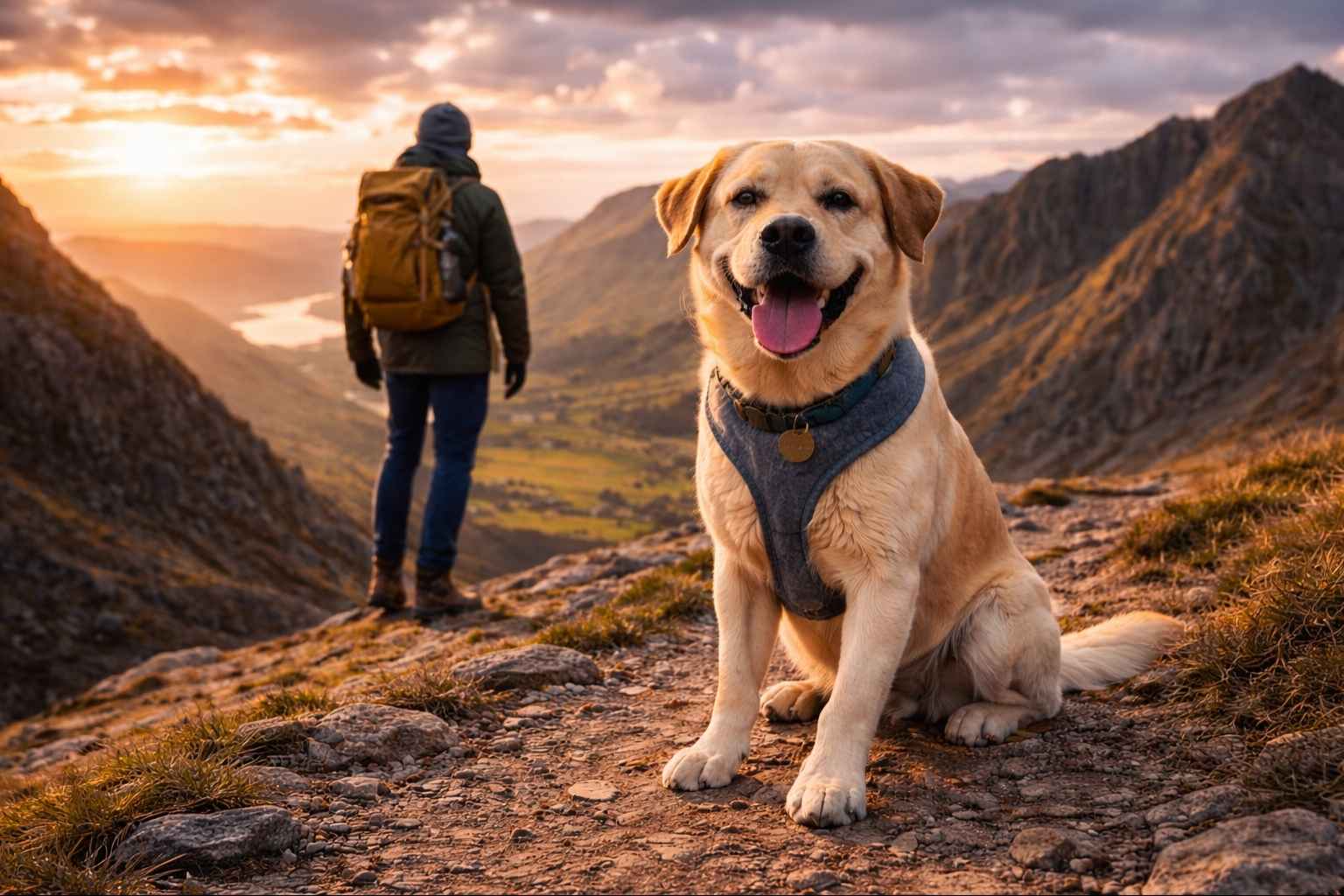
Hiking with your dog transforms a great walk into an unforgettable adventure. The UK offers spectacular trails from gentle coastal paths to challenging mountain routes, and most welcome dogs throughout. With proper preparation and the right destination, hiking becomes one of the most rewarding activities you can share with your four-legged companion.
This guide covers everything you need to know about hiking with dogs, from choosing suitable trails to keeping everyone safe on the hills.
Why Hike with Dogs
The Benefits
For Your Dog:
- Substantial physical exercise
- Mental stimulation from new environments
- Natural terrain challenges
- Bonding time with owner
- Fulfilling natural instincts
For You:
- Motivation to explore
- Companionship on trails
- Shared adventure
- Increased safety (alertness to surroundings)
- Deeper bond with your dog
Assessing Your Dog's Ability
Fitness Matters
Not every dog is suited to every hike.
Consider:
- Age (puppies and seniors have limits)
- Breed (some bred for endurance, others not)
- Current fitness level
- Health conditions
- Previous hiking experience
Build Up Gradually:
- Start with shorter hikes
- Increase distance over time
- Monitor recovery
- Build stamina progressively
Breed Considerations
Natural Hikers:
- Border Collies
- German Shepherds
- Labrador Retrievers
- Vizslas
- Springer Spaniels
- Australian Shepherds
May Need Adaptation:
- Brachycephalic breeds (French Bulldogs, Pugs)
- Very small breeds
- Giant breeds (joint concerns)
- Breeds with short legs on rough terrain
Not Limitations: Most dogs can enjoy appropriate hikes. Match difficulty to ability.
Health Checks
Before Regular Hiking:
- Vet check for fitness
- Joint health assessment
- Weight appropriate
- Vaccinations current
- Parasite prevention active
Best UK Hiking Destinations
Mountains and Fells
Lake District: Fells for all abilities. Classic mountain walking. Spectacular views. See our Lake District guide.
Snowdonia: Dramatic peaks. Welsh mountain character. Challenging routes available. See our Snowdonia guide.
Scottish Highlands: Munros and beyond. Wild landscapes. True mountain adventure. See our Highlands guide.
Peak District: Gritstone edges. Moorland walking. Accessible from cities. See our Peak District guide.
Yorkshire Dales: Limestone landscapes. Three Peaks challenge. Valley walks. See our Yorkshire guide.
Coastal Paths
South West Coast Path: 630 miles of coastal walking through Cornwall, Devon, Dorset, Somerset.
Pembrokeshire Coast Path: 186 miles of Welsh coastline. Stunning throughout. See our Pembrokeshire guide.
Northumberland Coast: Quieter coastal walking. Castle views. Empty beaches. See our Northumberland guide.
Long-Distance Trails
Many long-distance paths are dog-friendly:
- Coast to Coast: 190 miles across England
- Pennine Way: 268 miles along the Pennines
- West Highland Way: 96 miles in Scotland
- Offa's Dyke Path: 177 miles along Welsh border
Planning Required: Accommodation booking with dogs, logistics, stamina building.
Essential Hiking Gear
For Your Dog
Must Have:
- Well-fitted harness (comfortable for climbing)
- Strong lead
- Collapsible water bowl
- Water supply
- Poo bags
- Dog first aid kit
- ID tag with mobile number
Recommended:
- High-visibility gear (open countryside)
- Dog coat (exposed conditions)
- Paw protection (rough terrain)
- Towel (stream crossings, rain)
- Treats for energy and recall
Optional:
- Dog backpack (carry their own supplies)
- GPS tracker
- Cooling coat (summer hiking)
Your Hiking Kit
Standard hiking equipment plus:
- Extra water for dog
- Dog snacks
- Emergency supplies
- Knowledge of dog first aid
Trail Selection
Matching Trail to Dog
Beginner Dogs:
- Shorter distances (2-5 miles)
- Gentle gradients
- Good paths
- Shade available
- Water access
Experienced Dogs:
- Longer distances
- Varied terrain
- Some scrambling acceptable
- More remote routes
Expert Dogs:
- Full day hikes
- Challenging terrain
- Mountain routes
- Multi-day trails (with preparation)
Terrain Considerations
Good Surfaces:
- Grassy paths
- Forest tracks
- Compacted earth
- Sandy beaches
Challenging Surfaces:
- Rocky scrambles
- Sharp scree
- Very hot rocks
- Ice and snow
Hazardous:
- Exposed cliffs without barriers
- Vertical scrambles requiring hands
- Technical climbing
- Swift water crossings
Safety on the Trail
General Safety
Essential Practices:
- Keep dog on lead near livestock
- On lead near cliff edges
- On lead if recall uncertain
- Supervise around water
- Watch for fatigue signs
- Turn back if conditions deteriorate
Livestock
Legal Requirements:
- Dogs must be under control near livestock
- Leads advisable (required in many areas)
- Farmers can shoot dogs attacking stock
Practical Approach:
- Lead on near all livestock
- Give animals wide berth
- If charged by cattle, release dog (they can outrun cattle, you can't)
Wildlife
Awareness Needed:
- Ground-nesting birds (leads in breeding season)
- Deer (dogs can chase)
- Adders (summer, keep to paths)
- Ticks (check after walks)
Weather
Be Prepared:
- Check forecasts before setting out
- Conditions change rapidly in mountains
- Wind chill significant at altitude
- Rain makes paths slippery
- Know escape routes
Navigation
Don't Get Lost:
- Carry map and compass (know how to use)
- GPS backup useful
- Know your route
- Tell someone your plans
- Turn back in doubt
On the Trail
Pace and Breaks
Managing the Hike:
- Let dog set pace on climbs
- Regular water breaks
- Shade rest in hot weather
- Snack breaks for energy
- Watch for fatigue signs
Signs Dog Needs Rest:
- Excessive panting
- Lagging behind
- Lying down
- Reluctance to continue
- Seeking shade
Water Management
Hydration Essential:
- Offer water regularly
- Don't wait for dog to seek water
- Carry enough (1 litre per dog minimum for full day)
- Natural water sources (check quality)
- After exercise, not during hard climbs
Food and Energy
Fuelling the Hike:
- Normal meal before (not immediately before)
- Snacks during long hikes
- High-energy treats
- Main meal after recovery
- Don't overfeed mid-hike
After the Hike
Recovery
Post-Hike Care:
- Cool down gradually
- Water available
- Check paws for damage
- Check for ticks
- Food after settling
- Rest and sleep
Monitoring:
- Watch for delayed soreness
- Check mobility next day
- Note any issues for future
- Rest day after demanding hikes
Building Fitness
Progressive Training:
- Increase distance gradually
- Build to challenging terrain
- Allow recovery between big hikes
- Monitor ongoing fitness
- Adapt as dog ages
Seasonal Hiking
Best Seasons
Spring: Lambing restrictions. Mild temperatures. Longer days increasing.
Summer: Heat caution. Early morning starts. Water essential. Longest days.
Autumn: Often ideal. Cool temperatures. Beautiful colours. Shorter days.
Winter: Cold conditions. Shortest days. Snow and ice possible. Preparation essential.
Hot Weather Hiking
Summer Cautions:
- Early morning or evening only
- Avoid hottest hours (11am-3pm)
- Shade essential
- Water critical
- Some breeds cannot hike in heat
Winter Hiking
Cold Weather Considerations:
- Dog coat for some breeds
- Shorter daylight hours
- Snow and ice hazards
- Extra supplies
- Winter experience required for mountains
Multi-Day Hiking
Planning Required
Considerations:
- Dog-friendly accommodation each night
- Appropriate daily distances
- Rest days if needed
- Supplies logistics
- Dog fitness for consecutive days
Recommended:
- Build up to multi-day over time
- Test with back-to-back day hikes first
- Have flexibility in plans
- Know your dog's limits
Frequently Asked Questions
How far can my dog hike?
Varies hugely by breed, age, fitness. Start with what you know they can do and build gradually. Most healthy adult dogs can manage 5-10 miles; fit hiking dogs can do much more.
Do dogs need hiking boots?
Not usually for UK terrain. Consider paw protection for very rough or hot surfaces. Build up paw toughness gradually.
Can puppies hike?
Limited distances until growth plates close (around 12-18 months depending on breed). Very short, gentle walks only. Consult vet.
Should dogs carry their own supplies?
Fit dogs can carry dog backpacks with some of their supplies. Ensure weight is appropriate (not more than 25% of body weight). Build up gradually.
What about very hot days?
Don't hike in extreme heat. Early morning only. Some days are best for rest, not hiking.
Are all hiking trails dog-friendly? Most UK trails welcome dogs. Some nature reserves have restrictions. Check specific trail policies.
Hit the Trail Together
Hiking with your dog opens up adventures across the UK's finest landscapes. With proper preparation, appropriate trail selection, and attention to your dog's needs, hiking becomes a shared passion that strengthens your bond and creates lasting memories.
Ready to explore? Browse our destination guides for hiking inspiration tailored to you and your four-legged companion.
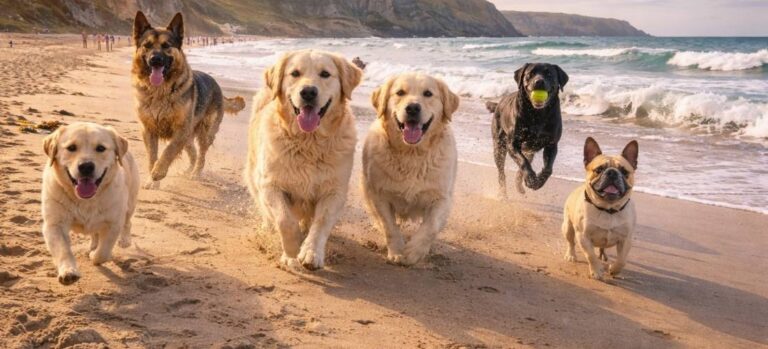
Luke hikes with Charlie, Buster, Ember, Simba, Max, and Molly across the UK's trails. From Lake District fells to Scottish Highlands, the pack has learned that the best views come after the hardest climbs.


⚠️ Comments Currently Disabled
We've had to temporarily disable our comment section due to a high volume of spam. We apologise for any inconvenience this may cause to our lovely readers!
If you'd like to share your thoughts, experiences, or feedback, please send us an email directly at info@thedogholiday.co.uk and we'll be happy to add your comment manually.
Thank you for your understanding! 🐾
Leave a Comment