
Good etiquette ensures dog-friendly places stay dog-friendly. How we behave with our dogs affects not just our holiday but access for all dog owners in future. This guide covers the unwritten (and written) rules of travelling with dogs responsibly.
Why Etiquette Matters
The Bigger Picture
Your Actions Affect Everyone:
- Bad experiences make venues ban dogs
- Good behaviour keeps places welcoming
- Other dog owners benefit from your consideration
- Future access depends on current behaviour
Dog-Friendly Is a Privilege: Places don't have to welcome dogs. When they do, responsible behaviour protects that welcome.
Being an Ambassador
Every dog owner represents all dog owners. Hotels, pubs, and attractions judge "dogs" based on individual experiences.
On Beaches
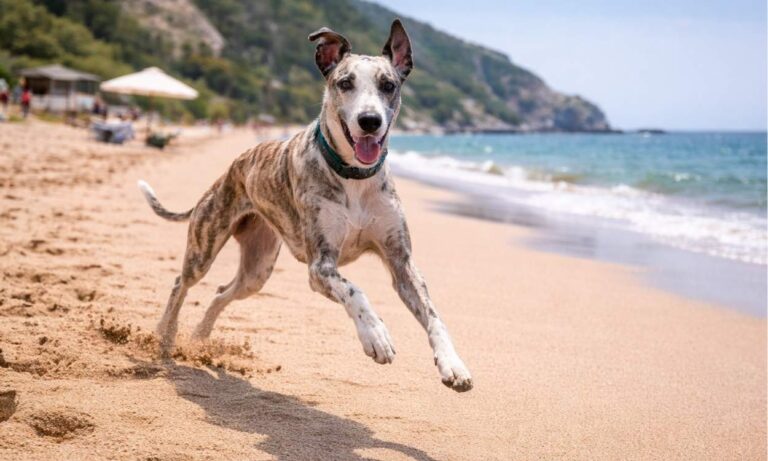
Beach Etiquette
Essential Rules:
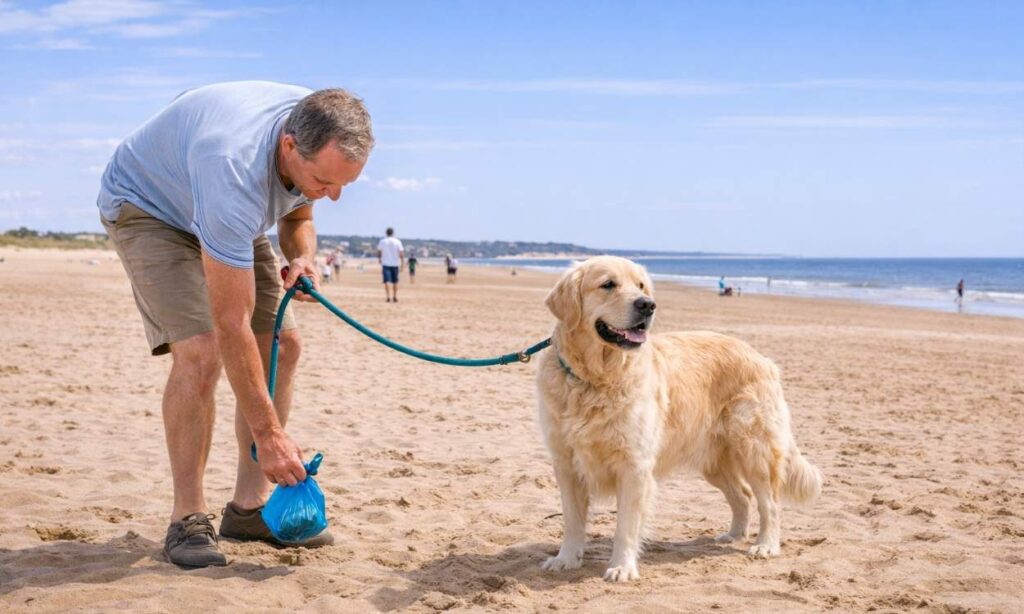
Clean Up Always: Pick up poo. Every time. No exceptions. Even on quiet beaches. Bag it, bin it (or take home if no bin).
Respect Restrictions: Seasonal restrictions exist for reasons. Follow them. Don't argue. Check our Beach Holidays guide for understanding restrictions.
Space from Others: Not everyone loves dogs. Keep distance from non-dog families, especially children who might be nervous.
Control Your Dog: Off-lead only with good recall. If your dog bothers others, lead them. See our Travelling with Reactive Dogs guide for management strategies.
Don't Let Dogs Approach Uninvited: Not everyone wants your dog's attention. Ask before allowing your dog to greet people or other dogs.
Beach Conflicts
If Problems Arise:
- Stay calm
- Apologise if appropriate
- Lead your dog
- Move away
- Don't escalate
In Accommodation
Cottage and Holiday Let Etiquette
Following Rules: Read and follow house rules. They exist because of past problems. Don't be the reason for stricter rules.
Essential Behaviour:
Don't Leave Dogs on Furniture if Not Allowed: Bring throws if you want to bend this. Better yet, respect the rule. Our Cottages guide covers what to expect.
Clean Up Hair: Hoover before leaving. Wipe surfaces. Leave the place as you found it.
Report Accidents: If your dog damages something or has an accident, tell the owner. Don't hide it.
Control Barking: If your dog barks, address it. Disturbing neighbours loses future access. See our Leaving Dogs Alone guide for management.
Hotel Etiquette
Additional Considerations:
Other Guests: Hotels have non-dog guests. Keep your dog from bothering them. Use service corridors if available.
Room Rules: Follow rules about beds, furniture, leaving dogs alone. See our Hotels guide.
Noise: Barking in hotels is particularly problematic. Address immediately.
In Pubs and Restaurants
Dining Out Etiquette
Essential Behaviour:
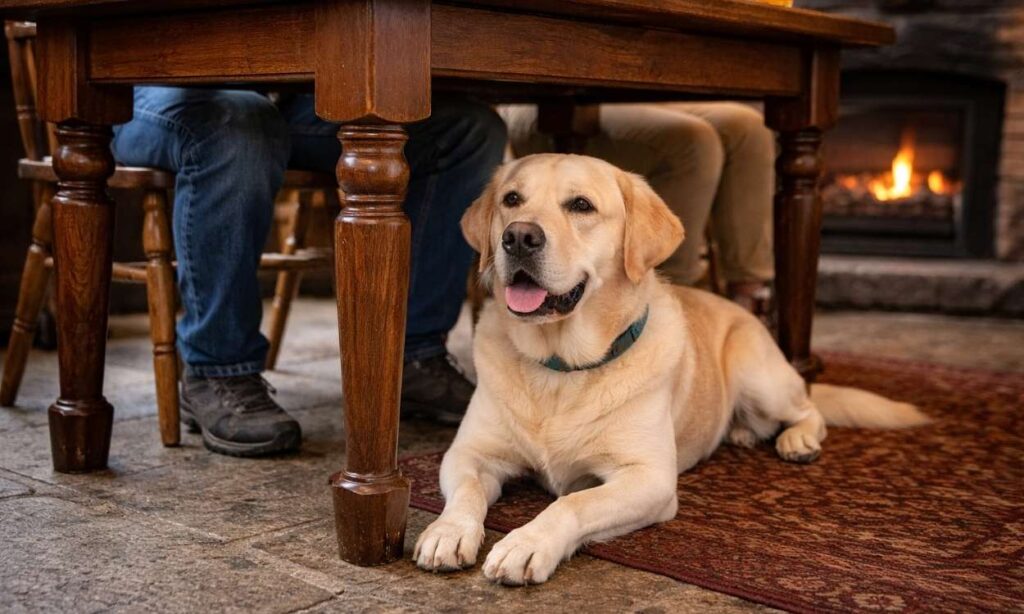
Keep Dogs Under the Table: Not on seats. Out of walkways. Compact and controlled.
Don't Beg or Pester Others: Your dog shouldn't approach other tables or stare at other people's food.
Stay Only If Your Dog Is Calm: If your dog can't settle, leave. Trying to force it spoils everyone's experience.
Clean Up Any Mess: Accidents happen. Clean immediately. Apologise. Tip well.
See our Cafes and Restaurants guide for more.
Reading the Room
Know When to Leave:
- If your dog is unsettled
- If venue is very busy
- If you're getting "looks"
- If dog is barking or whining
On Walks and Trails
Walking Etiquette
Encountering Others:
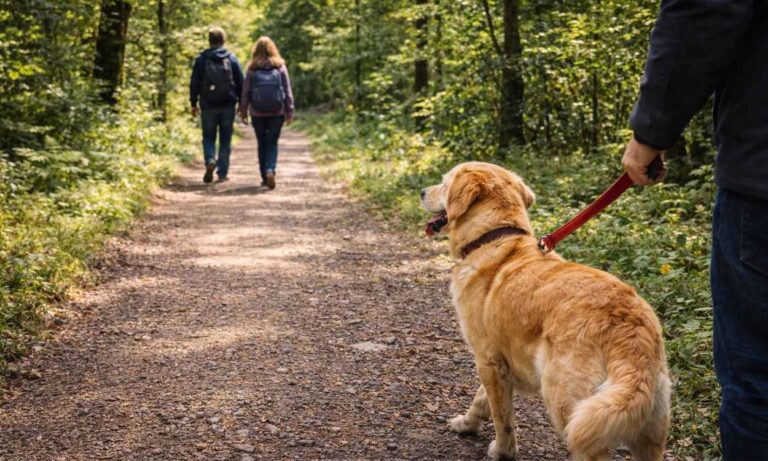
Give Space: Move to the side. Let people pass. Not everyone appreciates dogs in their personal space.
Recall When Needed: Call your dog back when approaching others. Don't assume they want to meet your dog.
Ask Before Greeting: "Is your dog friendly?" before allowing interaction. Never assume.
Livestock Etiquette
Critical:
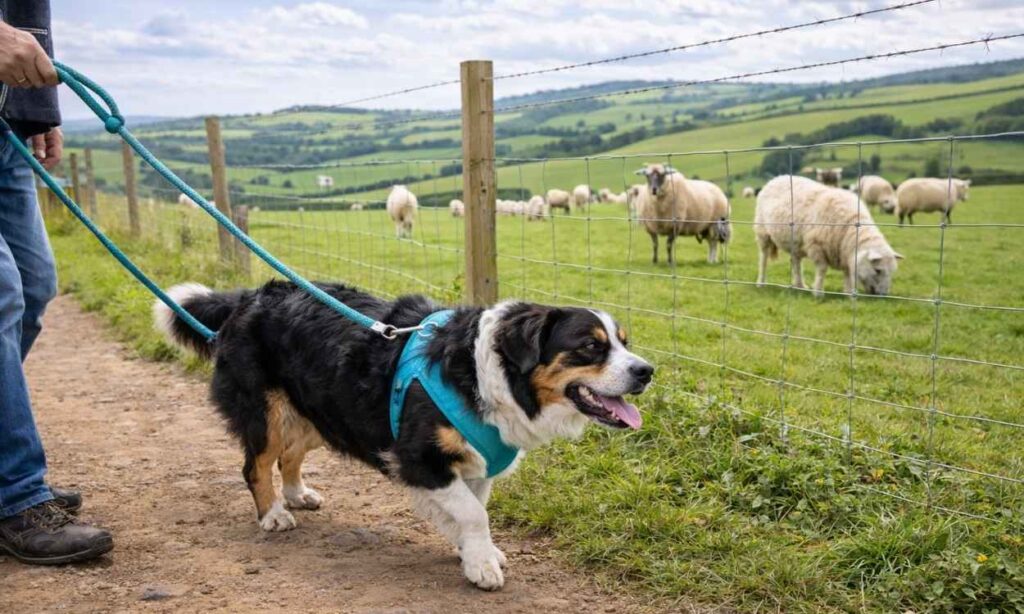
Dogs on Leads Around Livestock: Always. No exceptions. It's the law and it's essential.
Give Wide Berth: Even on lead, keep distance from sheep, cattle, horses.
Close Gates: Every time. Obvious but essential.
If Cattle Chase: Let dog off lead (they can escape faster alone). You move to safety.
See our Hiking guide for countryside walking.
Meeting Other Dogs
Good Practice:
- Ask before approach
- Watch body language
- Keep moving if either dog uncomfortable
- Don't force interactions
- Respect dogs who don't want to greet
Poo - The Essential Topic
The Rules Are Clear
Always Pick Up:
- Every time
- Every location
- No exceptions
- Even countryside
- Even beaches
- Even when nobody's watching
The Bag System
Carry Bags:
- Always have more than you need
- Check pockets before walks
- Bags in car, coat, everywhere
Dispose Properly:
- Bin it
- Don't hang on fences ("fairy trees")
- Don't leave "to collect later"
- Take home if no bin
In Countryside: Stick and flick to verge acceptable in some rural areas. Bagging and leaving is never acceptable.
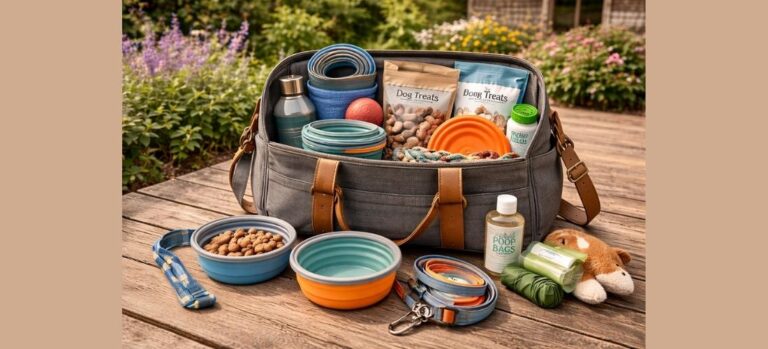
See our Packing Checklist - poo bags are essential.
Lead Etiquette
When to Use
Always On Lead:
- Near livestock
- Where requested/signed
- Near roads
- In crowded areas
- When meeting anxious dogs
- If your recall isn't solid
Off-Lead Appropriate:
- When permitted
- With reliable recall
- Away from others
- In safe areas
Long Lines
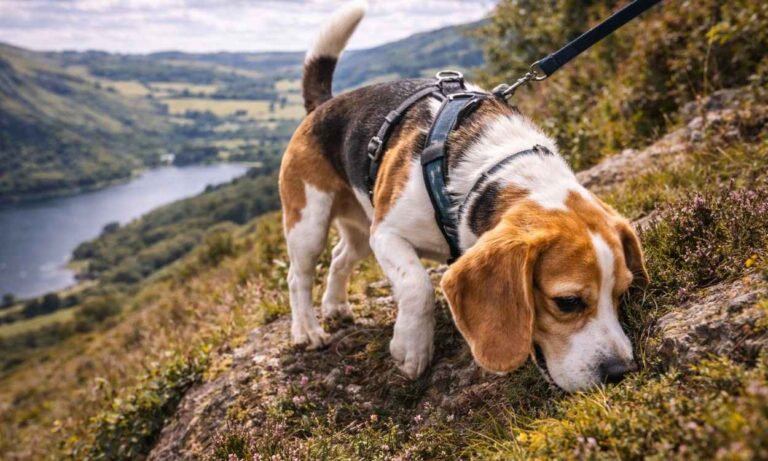
Useful middle ground. See our Beagle guide for using long lines with dogs with challenging recall.
Specific Situations
At Attractions
Heritage Sites and Gardens: Follow rules. On lead usually required. Stay on paths. Clean up. Don't let dogs disturb others' experience. See our Attractions guide.
On Public Transport
Trains and Buses: Keep dogs contained. Don't take up seats. Be prepared to stand if busy. See our Train Travel guide.
At Dog-Friendly Events
Shows and Events: Extra vigilance in busy, stimulating environments. Water, shade, calm handling. Know when to leave.
When Things Go Wrong
Handling Problems
If Your Dog Misbehaves:
- Lead immediately
- Apologise if others affected
- Address the situation
- Remove from situation if needed
- Don't make excuses
If Someone Complains:
- Listen
- Apologise
- Take action
- Don't argue
- Leave if necessary
If Your Dog Causes Damage:
- Report it
- Offer to pay
- Be honest
- It's the right thing
Building Good Habits
Training for Etiquette
Useful Commands:
- Reliable recall
- Settle/down
- Leave it
- Stay
- Wait at doors/gates
Practice Before Travel: New situations are harder. Practice at home first.
Know Your Dog
Be Honest:
- If recall isn't reliable, use lead
- If dog can't settle in pubs, don't go
- If dog reacts to others, manage appropriately
- Plan around your dog's actual abilities
The Golden Rules
Summary
- Pick up poo - every time, everywhere
- Follow rules - restrictions exist for reasons
- Control your dog - physically or verbally
- Respect others - not everyone loves dogs
- Give space - don't impose your dog on others
- Clean up - leave accommodation as found
- Stay calm - handle problems gracefully
- Know limits - work within your dog's abilities
- Be an ambassador - your behaviour affects all dog owners
- Say thank you - acknowledge dog-friendly businesses
Frequently Asked Questions
Why does etiquette matter so much?
+What if my dog doesn't have reliable recall?
+Should I apologise if my dog does nothing wrong but someone is unhappy?
+What about dog-on-dog interactions?
+How do I handle difficult people who don't like dogs?
+Be the Dog Owner You'd Want to Meet
Good etiquette is simply consideration - for other people, for places that welcome dogs, and for future dog owners who want to enjoy these spaces too.
The best dog owners barely register - their dogs are calm, clean, and controlled. Be that owner.
Luke practises good etiquette with Charlie, Buster, Ember, Simba, Max, and Molly. With six dogs, being considerate is even more important - and entirely possible with attention and effort.

⚠️ Comments Currently Disabled
We've had to temporarily disable our comment section due to a high volume of spam. We apologise for any inconvenience this may cause to our lovely readers!
If you'd like to share your thoughts, experiences, or feedback, please send us an email directly at info@thedogholiday.co.uk and we'll be happy to add your comment manually.
Thank you for your understanding! 🐾
Leave a Comment