
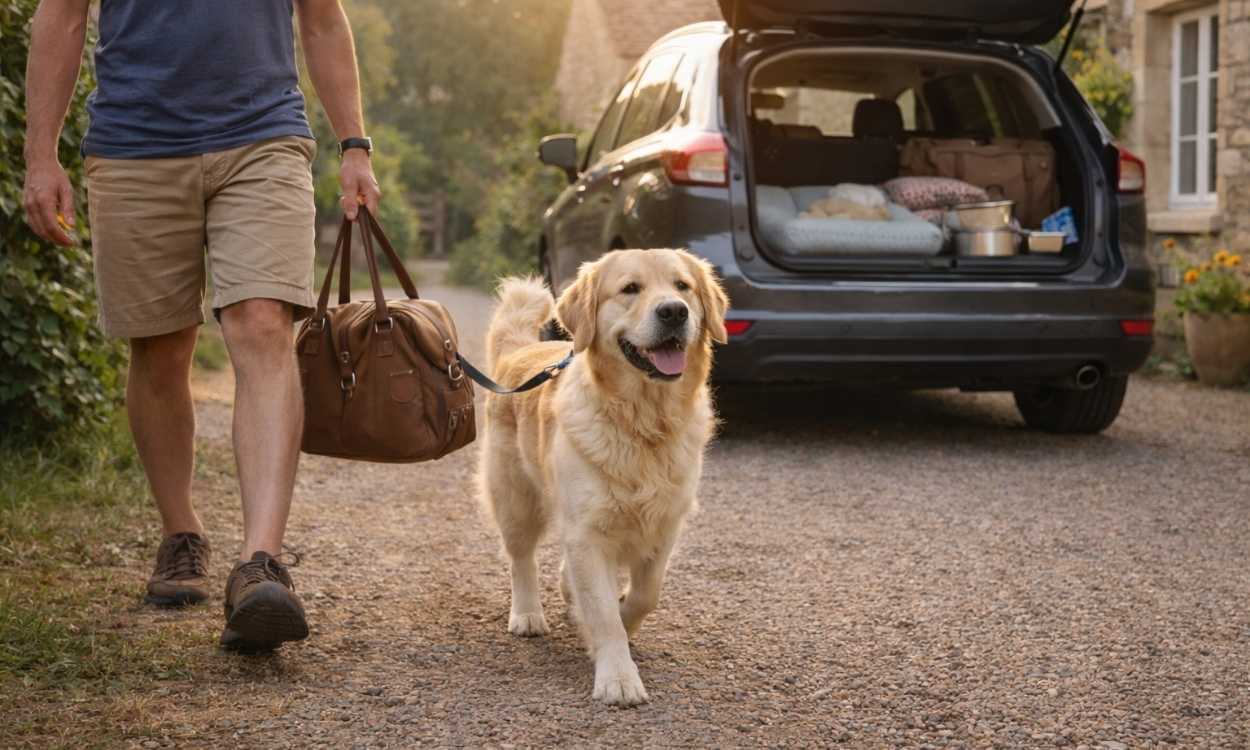
Taking your first holiday with your dog is exciting - and perhaps a little daunting. This comprehensive guide walks you through everything you need to know, from initial planning to returning home. Whether you're a new dog owner or simply new to dog-friendly travel, this guide ensures your first adventure together is successful.
Is Your Dog Ready for a Holiday?
Basic Requirements
Before Considering Travel:
Health:
- Up-to-date vaccinations
- Generally healthy
- No conditions making travel inadvisable
- Recent vet check if concerned
Behaviour:
- Basic training (recall, sit, stay helpful)
- Can settle in new environments
- Manageable around other dogs
- Comfortable in vehicles
Age:
- Puppies: Wait until fully vaccinated and basic training established (usually 6+ months)
- Seniors: Consider limitations, shorter trips may suit better
Signs Your Dog Will Cope
Good Indicators:
- Settles in new places (friends' houses, etc.)
- Travels in car without major distress
- Recovers from new experiences without prolonged anxiety
- Generally adaptable
May Need More Preparation:
- Very anxious in new environments
- Severe car sickness
- Extreme reactivity to other dogs
- Significant separation anxiety
See our Anxious Dogs guide if your dog has anxiety.
Choosing Your First Destination
Start Simple
For First Trips:
- Closer to home (shorter journey)
- Familiar type of environment
- Known dog-friendly area
- Good facilities nearby
Avoid Initially:
- Very long journeys
- Remote locations
- Extremely popular/crowded places
- Challenging terrain beyond your dog's fitness
Recommended First Destinations
Gentle Introductions:
Norfolk offers flat terrain, year-round dog beaches, and welcoming atmosphere - excellent for beginners.
Cotswolds provides gentle countryside, pretty villages, and good facilities.
Yorkshire delivers varied terrain with good dog-friendly infrastructure.
Coastal Options:
Beaches are often excellent for first trips - dogs usually love them, and the environment is forgiving.
See our Beach Holidays guide for options.
Countryside:
Rural cottages with gardens provide secure bases for first adventures.
Choosing Accommodation
Best Accommodation Types for First Trips
Self-Catering Cottages: Most flexibility. Own space. Garden for toilet breaks. Control over routine. See our Cottages guide.
Why Cottages Work:
- No shared spaces to navigate
- Garden for early morning/late night toilet
- Cook your own food (no restaurant timing pressure)
- Dog can be included in everything
Key Features to Look For
Essential:
- Enclosed garden (secure)
- Ground floor or accessible
- Good walking nearby
- Genuinely dog-welcoming
Helpful:
- Rural/quiet location
- Space for dog bed
- Easy-clean floors
- Nearby facilities
Booking Your First Trip
Important Steps:
- Search specifically for dog-friendly - use filters
- Read reviews from dog owners - look for specifics
- Contact owner/manager with questions - clarify policies
- Confirm in writing - dog welcome, any charges, rules
See our comprehensive Booking Accommodation guide.
Questions to Ask:
- Is the garden fully enclosed?
- Are there any restrictions (furniture, rooms, leaving alone)?
- What's the extra charge for dogs?
- What walking is available nearby?
Planning the Journey
Car Travel Basics
Most First Dog Holidays Are by Car:
- Most control
- Flexible stops
- Bring everything you need
- No public transport stress
Essential Preparation:
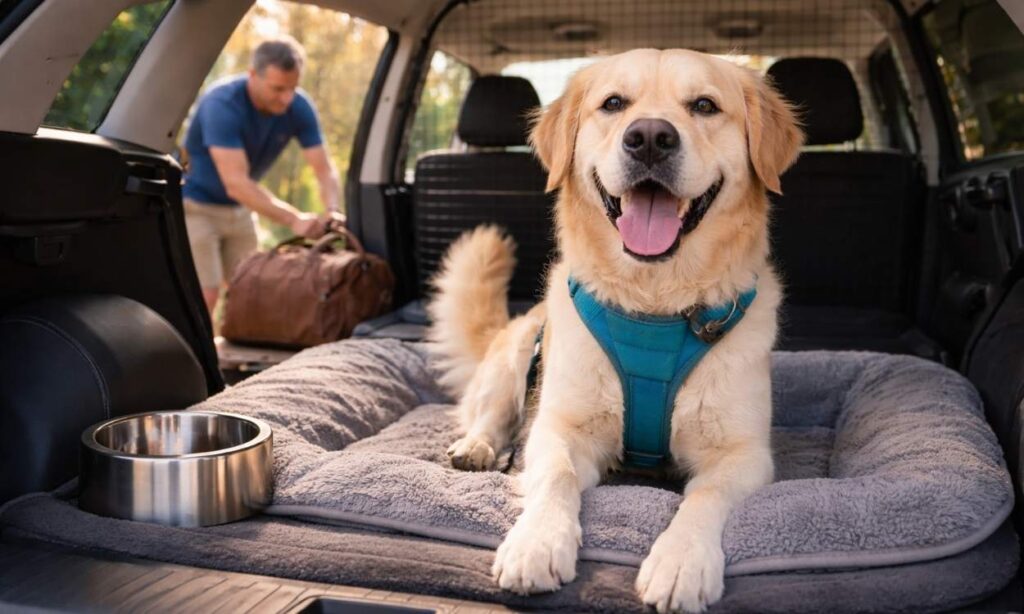
Restraint: Dogs must be secured. Options:
- Dog crate (often best)
- Dog guard (boot area)
- Seat belt harness
Practice: If your dog isn't used to car travel, build up gradually before the trip.
Journey Day:
- Walk before leaving (tired dog = better travel)
- Don't feed immediately before
- Water available
- Regular stops (every 2 hours)
- Toilet breaks
- Never leave in hot car
See our detailed Travelling with Dogs guide.
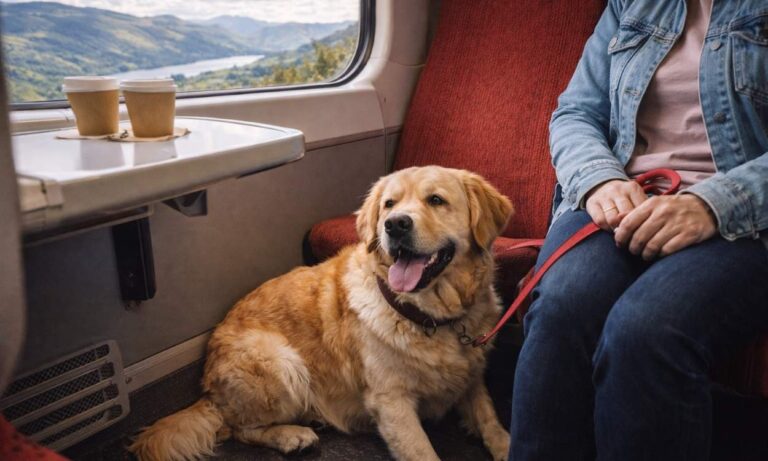
Train Travel Option
If you don't drive, trains are possible. More complex for first trips but doable.
What to Pack
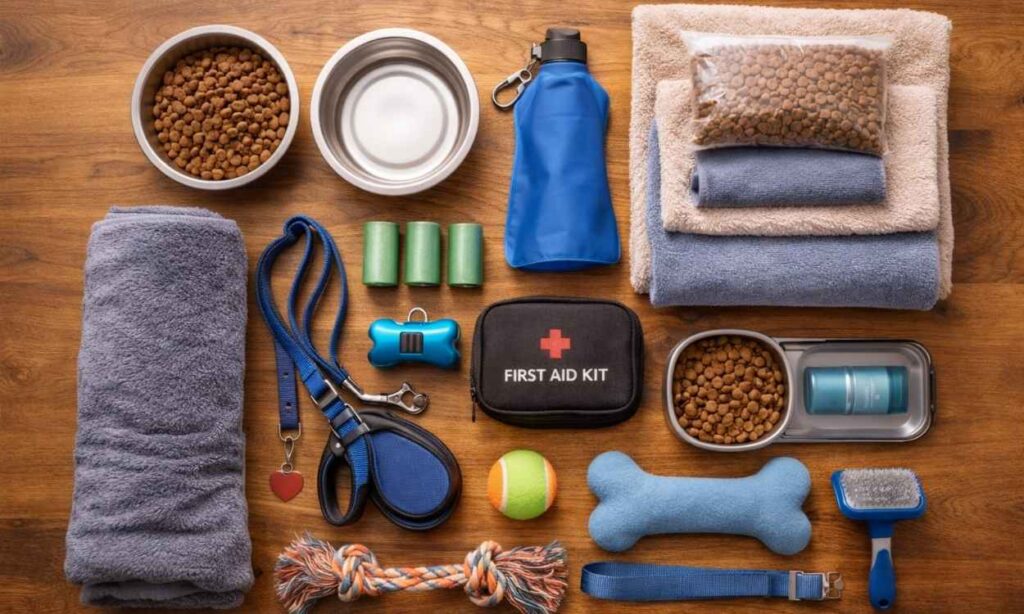
Essential Items
Documents:
- Pet insurance details
- Vaccination records
- Microchip number
- Emergency vet contacts
Feeding:
- Enough food for trip + extra
- Usual bowls
- Treats
- Fresh water for journey
Sleeping:
- Dog's own bed or blanket (familiar smells important)
- Extra blanket
Walking:
- Lead (and spare)
- Collar with ID tag (update contact number!)
- Poo bags (lots)
- Harness if used
Health:
- Any medications
- Basic first aid
- Tick remover
Comfort:
- Favourite toys
- Chew for settling
- Towels for wet/muddy dog
See our complete Packing Checklist.
Common Packing Mistakes
Don't Forget:
- More poo bags than you think
- Towels (wet dogs happen)
- Familiar bedding (helps settling)
- ID tag with holiday contact number
Arriving at Your Accommodation
First Hour
Settling In:
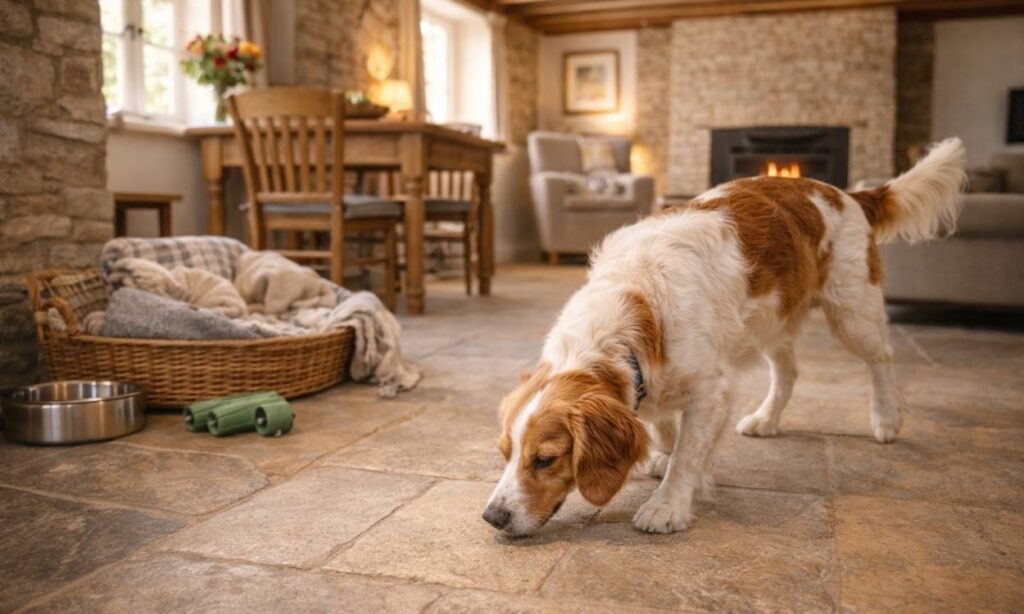
- Toilet break first - show them the garden
- Explore on lead - let them sniff around
- Set up their bed - familiar spot
- Fresh water - always available
- Short walk - orient to the area
- Normal meal time - keep routine
What to Expect:
- Excitement and sniffing
- May be unsettled initially
- Might not sleep perfectly first night
- Usually settles within 24-48 hours
See our Dog Behaviour on Holiday guide.
Security Check
Before letting dog off-lead in garden:
- Walk entire boundary
- Check for gaps
- Test gates
- Block any escape routes
Your First Full Day
Sample Day Structure
Morning:
- Wake, toilet break in garden
- Breakfast (normal time)
- Morning walk/adventure
- Return to accommodation
Midday:
- Rest time
- Lunch for you
- Quiet time for dog
Afternoon:
- Second walk/activity
- Explore local area
- Pub/cafe stop if appropriate
Evening:
- Dinner (normal time for dog)
- Evening walk
- Settle for night
Managing Activities
First Trip Tips:
Don't Over-Schedule: Leave time for rest. New environments are tiring.
Keep Some Routine: Similar meal times. Similar walk schedule. Predictability helps.
Watch Your Dog: Signs of tiredness, stress, or overwhelm. Adjust accordingly.
Be Flexible: Plans may need changing. That's okay.
Eating Out with Your Dog
Dog-Friendly Dining
Options:
Pubs: Often best for first experiences. Many welcome dogs. Relaxed atmosphere. See our Pub Walks guide.
Cafes: Outdoor seating usually dog-friendly. Some allow inside.
Restaurants: Fewer options but they exist.
See our Cafes and Restaurants guide.
Tips for Success
First Time Dining Out:
- Choose quieter venue
- Go at off-peak time
- Bring a mat for dog to lie on
- Have treats/chew for settling
- Keep dog under table
- Don't stay too long if struggling
If Dog Can't Settle: Leave. Don't push it. Try again another time.
Common First-Trip Challenges
Dog Won't Settle
Normal Initially: New environment. New smells. Exciting.
What Helps:
- Familiar bedding
- Exercise before settling
- Calm environment
- Time and patience
- Kong or chew
House Training Accidents
May Happen: New space confuses some dogs.
Response:
- Don't punish
- Clean up calmly
- Increase toilet breaks
- Praise outdoor toileting
- Usually resolves quickly
See our Dog Behaviour guide.
Barking
Possible Causes:
- New sounds
- Excitement
- Anxiety
- Alerting to "intruders"
Management:
- Exercise helps
- Don't reinforce by reacting
- Distraction
- Time to adjust
See our guide on Leaving Dogs Alone if barking happens when you're out.
Won't Eat
Common Initially: Excitement or stress can reduce appetite.
What to Do:
- Offer food at normal times
- Don't make a fuss
- Remove after 20 minutes
- Usually resolves in 1-2 days
- Contact vet if persists or combined with other symptoms
Your Dog Is Exhausted
Also Normal: New experiences are mentally tiring.
Response:
- Allow rest
- Don't push activities
- Quiet time is fine
- Will recover
Safety Considerations
Emergency Preparation
Before You Go:
- Know nearest emergency vet
- Have insurance details accessible
- Save emergency numbers in phone
See our Emergency Vet guide.
On Beaches
Beach Safety:
- Check for restrictions
- Watch tides
- Fresh water available (seawater drinking = bad)
- Shade in hot weather
- Rinse salt water from coat
In Countryside
Countryside Safety:
- Dogs on leads near livestock (legal requirement)
- Watch for hazards
- Tick check after walks
- Close gates
Weather
Hot Weather: Never leave in car. Exercise early/late. See Summer guide.
Cold/Wet Weather: Dry dog after walks. Keep warm. See Winter guide.
Being a Good Dog Owner Away From Home
Etiquette Essentials
Always:
- Pick up poo (every time)
- Follow accommodation rules
- Control your dog
- Respect others' space
- Clean up after your dog
Never:
- Let dog bother others
- Leave dog to bark
- Ignore rules
- Leave mess for others
See our Dog Etiquette guide.
After Your First Trip
Learning From Experience
Reflect On:
- What worked well?
- What would you change?
- What did your dog enjoy most?
- What equipment was missing/unnecessary?
Building Confidence
First Trip Success Leads To:
- Confidence for longer trips
- Understanding your dog's travel style
- Better planning for future
- More ambitious destinations
Update your packing checklist with lessons learned.
See our Returning Home guide for post-trip considerations.
Quick Reference Checklist
Before Booking
- Dog vaccinated and healthy
- Basic training in place
- Chosen dog-friendly destination
- Found suitable accommodation
- Confirmed dog policies
Before Travelling
- Pet insurance valid
- ID tag updated with holiday contact
- Packed all essentials
- Car properly prepared
- Journey stops planned
- Emergency vet identified
On Arrival
- Garden security checked
- Dog's bed set up
- Water available
- Short orientation walk done
- Routine established
Daily
- Regular meals and walks
- Adequate rest time
- Poo picked up
- Dog enjoying themselves
- Adjusting plans as needed
Frequently Asked Questions
What age can puppies go on holiday?
+How do I know if my dog will cope?
+What if it goes wrong?
+Is it worth the effort?
+How far should we travel first time?
+What if my dog is anxious?
+Your Adventure Begins
Your first dog holiday is the start of many adventures together. It may not be perfect - few first attempts are - but you'll learn what works for you and your dog. Each trip builds confidence and experience.
The best dog holiday is simply time together somewhere new. Everything else is details.
Luke remembers first holidays with each of Charlie, Buster, Ember, Simba, Max, and Molly. Every dog taught different lessons about travelling together. Now the pack adventures confidently, but it all started with that first trip.


⚠️ Comments Currently Disabled
We've had to temporarily disable our comment section due to a high volume of spam. We apologise for any inconvenience this may cause to our lovely readers!
If you'd like to share your thoughts, experiences, or feedback, please send us an email directly at info@thedogholiday.co.uk and we'll be happy to add your comment manually.
Thank you for your understanding! 🐾
Leave a Comment