
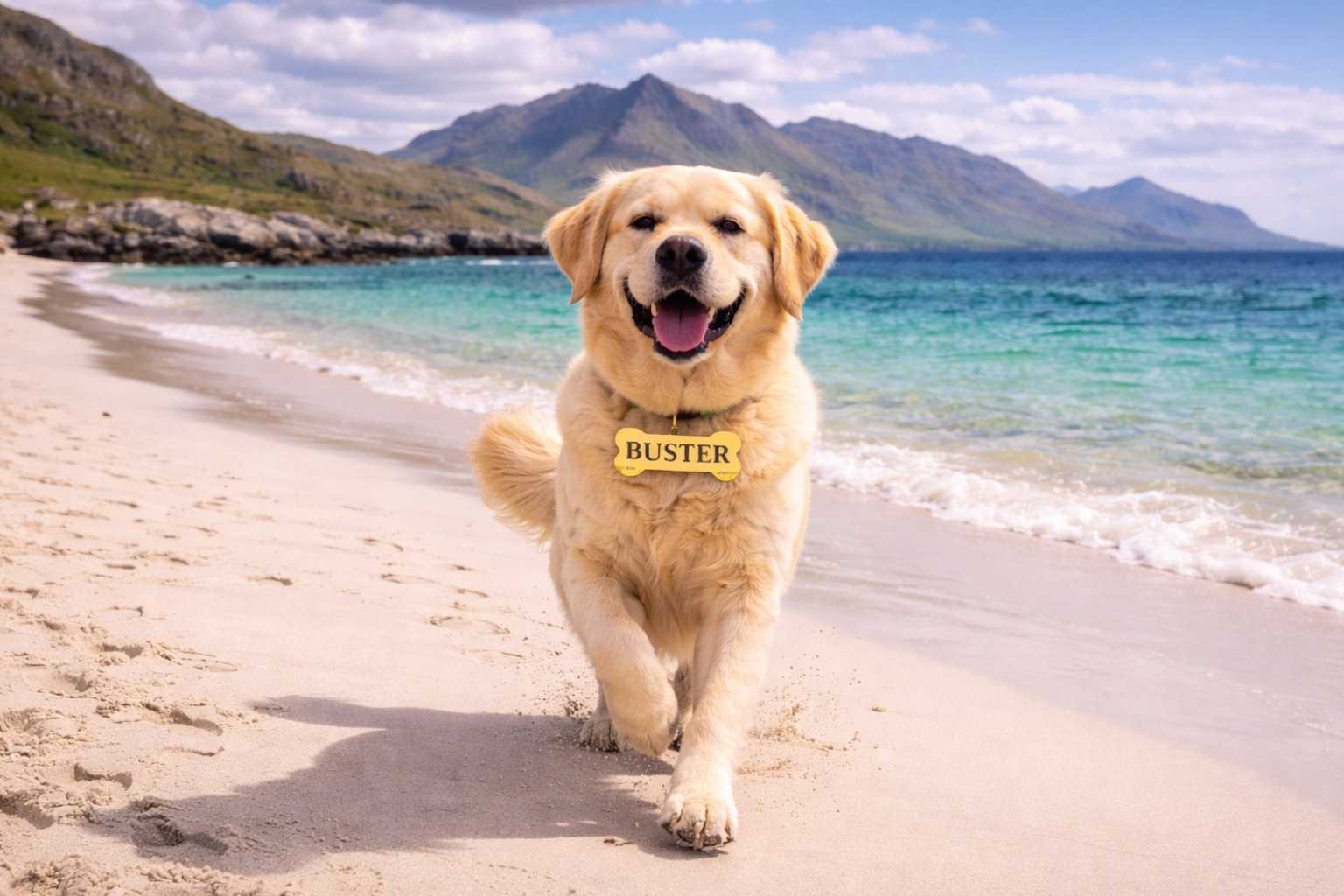
Scotland's beaches rival anywhere in Europe for beauty and almost universally welcome dogs. While English beaches increasingly impose seasonal restrictions, Scottish beaches remain open year-round under the Scottish Outdoor Access Code. White sand, turquoise water and mountain backdrops create scenes more associated with Caribbean islands than the British Isles, yet dogs can run freely without the restrictions that frustrate owners elsewhere.
The difference is dramatic. Where English beach visits require checking council websites for seasonal bans, Scottish beach visits simply happen. The Access Code provides statutory rights to beaches and coastline throughout the year. Very few Scottish beaches impose any dog restrictions, and those that do are clearly signed exceptions rather than the norm.
What makes Scottish beaches exceptional is their setting. Mountains often backdrop sand. Islands dot the horizon. Wildlife, from seals to dolphins, appears regularly. And the sheer number of beaches means finding solitude is standard rather than exceptional. Many beaches see more dogs than people, and those dogs run with a freedom impossible on crowded southern shores.
Charlie, Buster, Ember, Simba, Max and Molly have explored Scottish beaches from the Solway Firth to the Outer Hebrides. We have discovered white sand that squeaks underfoot, turquoise water cold enough to take breath away, and coastlines where our dogs are the only footprints. This guide shares the best beaches and practical advice for coastal exploration with dogs.
The Outer Hebrides
The Western Isles contain beaches that regularly feature in world rankings. Harris and Lewis in particular offer sand and water that belongs in travel brochures for tropical destinations. The reality of cold water and changeable weather does nothing to diminish the visual impact.
Harris Beaches
The west coast of Harris delivers some of the world's finest beaches. The combination of white shell sand, turquoise water, mountain backdrops and utter remoteness creates scenes that defy belief until experienced.
Luskentyre
Scotland's most famous beach lives up to its reputation. The sweep of white sand stretches for over three miles, backed by machair grassland and overlooked by mountains. The water achieves Caribbean turquoise on sunny days. Dogs can explore the entire length without restriction throughout the year.
The beach changes dramatically with tides. Low tide reveals vast expanses of firm sand ideal for running. High tide concentrates activity but reveals different character. Multiple access points allow varied visits. The scale means even busy days feel uncrowded.
What makes Luskentyre exceptional is the setting. The mountains of North Harris provide dramatic backdrop. The machair grassland blooms with wildflowers in summer. The water clarity reveals white sand beneath turquoise surface. And dogs can run the entire length, swimming whenever they choose, without any restrictions or concerns.
Getting there: Ferry from Ullapool to Stornoway (Lewis) then drive south, or ferry from Uig (Skye) to Tarbert. Allow time for the journey. The remoteness adds to the experience.
Scarista
Three miles of shell sand with mountain views across the Sound of Taransay. Less visited than Luskentyre despite equal beauty, Scarista offers solitude even in peak season. Dogs enjoy the firm sand and reliable swimming conditions.
The beach faces west, making sunset visits particularly spectacular. Strong Atlantic swells create impressive waves. Swimming suits confident dogs comfortable in surf. The golf course nearby provides additional interest for those inclined.
Seilebost
A smaller beach near Luskentyre with equally stunning water colours. The village setting adds character. Dogs welcome year-round. The sheltered position often provides calmer conditions than more exposed neighbours. The beach provides excellent introduction to Harris beaches without Luskentyre's scale.
Huisinis
At the end of a single-track road beyond Tarbert, Huisinis rewards the journey with remote beauty. The beach combines sand and rock with views to Scarp island. Dogs can explore freely in genuine wilderness. The journey itself, through increasingly dramatic landscape, builds anticipation for the destination.
Horgabost
Between Scarista and Luskentyre, Horgabost provides another stunning option. The beach faces the Sound of Taransay with views to the uninhabited island. Dogs welcome year-round. The scale is smaller than Luskentyre but the beauty equals it.
Lewis Beaches
Lewis, the northern part of the island, offers beaches that match Harris for quality. The west coast in particular contains white sand and clear water that rivals anywhere in Europe.
Reef Beach (Traigh na Beirigh)
The west coast of Lewis offers beaches that match Harris for quality if not fame. Reef Beach provides white sand, clear water and mountain views. Dogs welcome throughout the year. Less visited than Harris beaches, often providing genuine solitude.
Dalmore
A dramatic beach backed by cliffs and reached via steps from the road. The setting is spectacular. Dogs manage the access easily. Strong currents mean swimming requires care. The beach rewards the effort of access with exceptional scenery.
Uig Sands
A vast tidal bay on the west coast of Lewis where the famous Lewis Chessmen were discovered. The scale is extraordinary. Dogs can run for miles at low tide. The setting combines historical interest with natural beauty.
The Northwest Highlands
The mainland northwest contains beaches that rival the islands for beauty, often with easier access and more available accommodation.
Assynt and Sutherland
Sandwood Bay
Perhaps Scotland's most dramatic beach, Sandwood Bay requires a 4.5-mile walk from the nearest road. The effort filters out casual visitors, leaving genuine wilderness for those willing to make the journey. Dogs love the walk and the reward of mile-long sand beneath towering cliffs and a distinctive sea stack.
No facilities exist. Bring everything you need. The remoteness is the appeal. Allow a full day for the round trip. The walk itself provides excellent exercise before beach time.
Oldshoremore
Accessible by road near Kinlochbervie, Oldshoremore offers white sand and clear water without Sandwood's walk. Multiple small coves provide varied exploration. Dogs welcome year-round. The beach rarely feels crowded despite road access.
Clachtoll
Just north of Lochinver, Clachtoll provides excellent sand with easy access and good facilities including a campsite and ranger station. The beach welcomes dogs year-round. Nearby lies an iron-age broch adding historical interest to beach visits. The Lochinver Larder pie shop makes an excellent post-beach stop.
Achmelvich
Note: Achmelvich imposes seasonal dog restrictions during peak tourist season, one of very few Scottish beaches to do so. Check current regulations before visiting with dogs. The beach itself is stunning but not reliably dog-friendly.
Wester Ross
Gruinard Bay
The sandy beach at Gruinard provides stunning views across to Gruinard Island. Dogs welcome year-round. The setting combines mountain backdrop with island views. Good road access makes this an easy stop on the NC500 route.
Mellon Udrigle
A beautiful beach near Laide with white sand and clear water. Dogs welcome throughout the year. The remote location ensures quiet conditions. Camping available nearby for extended stays.
Big Sand (Gairloch)
Easily accessible from Gairloch village, Big Sand provides excellent beach walking without the remoteness of more northern options. Dogs welcome year-round. The nearby Gairloch Beach offers an alternative, with good facilities including the Coast Coffee Company.
Caithness and the Far North
Dunnet Bay
Scotland's most northerly mainland beach stretches for two miles backed by impressive dunes. Dogs welcome year-round. The beach faces the Pentland Firth with views to Orkney. Strong currents mean swimming requires care, but the sand provides excellent running.
Sango Bay (Durness)
Multiple small beaches in a dramatic setting near Durness. Dogs welcome year-round. The clifftop approach provides spectacular views. The beaches suit exploration more than extended swimming.
Balnakeil Bay
Near Durness, Balnakeil offers white sand with turquoise water in a dramatic setting. The ruined 17th-century Balnakeil Church adds historical interest. Dogs welcome throughout the year. The craft village nearby provides post-beach browsing.
The Inner Hebrides
The islands closer to the mainland combine easier access with genuine island atmosphere.
Isle of Skye
Staffin Bay
Famous for dinosaur footprints discovered on rocky sections, Staffin Bay combines sand and rock in a dramatic setting beneath the Trotternish Ridge. Dogs welcome year-round. The Old Man of Storr provides backdrop to beach walks. Good walking extends from the beach.
Coral Beach (Claigan)
Near Dunvegan, the "coral" beach (actually made from crushed coralline algae) provides white sand with Caribbean appearance. Access crosses farmland requiring dogs on leads until reaching the beach. Views extend to the Outer Hebrides on clear days.
Talisker Bay
A dramatic west coast beach reached via a track from Talisker village. The setting beneath cliffs and beside a waterfall creates memorable atmosphere. Strong waves make swimming challenging, but the beach rewards exploration.
Mull
Calgary Bay
Mull's finest beach provides white sand and clear water with good facilities including a tea room. Dogs welcome year-round. The bay's sheltered position often provides calm conditions. Good accommodation available in the surrounding area.
Arran
Kildonan Beach
The south coast of Arran offers sandy beaches with views to Ailsa Craig and the Ayrshire coast. Dogs welcome year-round. The setting combines island atmosphere with relatively easy access via ferry from Ardrossan.
Blackwaterfoot Beach
A sandy beach on Arran's west coast with views to Kintyre. Good walking extends along the coast. The Kinloch Hotel nearby welcomes dogs.
The Silver Sands of Morar
The coastline between Mallaig and Arisaig contains some of Scotland's finest mainland beaches, with white sand and views to the Small Isles. The beaches here rival anything in the Outer Hebrides while remaining on the mainland with easier access.
Camusdarach Beach
Featured in the film Local Hero, Camusdarach provides stunning sand with views to Rum and Eigg. Dogs welcome year-round. The beach combines easy access with genuine beauty. Parking can fill during peak season but the beach absorbs visitors easily.
The setting makes Camusdarach special. White sand meets clear water with mountain-backed islands on the horizon. The scale is intimate compared to Outer Hebridean beaches, but the beauty matches them. Dogs can run freely, swimming when they choose, with mountain views in every direction.
Morar Beach
The beaches along the Silver Sands of Morar coastline provide multiple options for exploration. Dogs welcome throughout. The setting rivals Caribbean destinations while the water temperature reminds you where you actually are.
The River Morar, Britain's shortest river, runs from Loch Morar (Britain's deepest freshwater loch) to the sea nearby. The combination of river, loch and beach creates varied water access for swimming dogs.
Arisaig Beaches
The village of Arisaig provides access to several smaller beaches with excellent views. The harbour area offers sheltered swimming. Dogs welcome throughout. The village provides good facilities including pubs and shops.
Back of Keppoch
A quieter alternative to Camusdarach with equally white sand. Accessed via Arisaig, the beach provides solitude that busier neighbours sometimes lack. Dogs welcome year-round. The views to Eigg and Rum match anywhere on this coast.
East Coast Beaches
The east coast offers different character: longer beaches, gentler waves and often drier weather than the west.
Aberdeenshire
Balmedie Beach
A long sandy beach north of Aberdeen providing excellent running for dogs. The beach welcomes dogs year-round. Dunes back the sand providing varied terrain. Facilities include toilets and parking.
St Combs
Near Fraserburgh, St Combs offers sandy beach with dunes in what locals claim is Scotland's sunniest corner. Dogs welcome year-round. The quiet location provides solitude.
Angus
Lunan Bay
One of Scotland's finest east coast beaches, Lunan Bay provides golden sand backed by dunes with a ruined castle on the headland. Dogs welcome year-round. Sea caves add interest. The scale allows extended walking without repetition.
Fife
Kingsbarns Beach (Cambo Sands)
Near St Andrews, this beach sits along the Fife Coastal Path. Dogs welcome year-round. Woodland walking extends inland. The university town of St Andrews provides post-beach exploration and dog-friendly pubs.
East Lothian
Yellowcraigs
A popular beach east of Edinburgh with good facilities. Dogs welcome year-round. Views extend to the Bass Rock and its gannet colony. The beach combines easy access with genuine quality.
Gullane Beach
A long sandy beach popular with Edinburgh visitors. Dogs welcome year-round though seasonal restrictions apply to small sections. The scale means finding space is never difficult.
Note: Some East Lothian beaches have limited seasonal restrictions on specific sections. Check current regulations for popular beaches during peak summer months.
Ayrshire and the Clyde
The west coast south of Glasgow provides accessible beaches with views to Arran.
Seamill Beach
Part of the Ayrshire Coastal Path, Seamill combines sand and rock with views across the Firth of Clyde to Arran. Dogs welcome year-round. Good walking extends along the coast.
Ayr South Beach
A large sandy beach accessible from Ayr town centre. Dogs welcome year-round. The beach provides genuine space despite urban proximity. Views extend to Arran.
Dumfries and Galloway
Scotland's overlooked southwest contains excellent beaches without the journey to the Highlands.
Sandyhills Bay
A beautiful sandy beach on the Solway coast. Dogs welcome year-round. The beach combines easy access with genuine quality. Good for swimming in calm conditions.
Brighouse Bay
Near Kirkcudbright, Brighouse Bay provides sandy beach with rock pools in an attractive setting. Dogs welcome year-round. The artistic town of Kirkcudbright provides post-beach interest.
Southerness
Miles of sand backed by the famous lighthouse. Dogs welcome year-round. The beach provides excellent running. The scale ensures space regardless of visitor numbers.
Practical Considerations
Water Safety
Scottish waters remain cold throughout the year, rarely exceeding 15°C even in high summer. Most dogs swim regardless of temperature, but supervise carefully and limit swimming in very cold conditions.
Watch for:
- Strong currents (particularly on exposed west coast beaches)
- Rip tides (can occur on any beach with waves)
- Cold water shock (affects dogs as well as humans)
- Blue-green algae (rare in coastal waters but possible in warm conditions)
- Jellyfish (seasonal, can irritate dogs who investigate)
Signs of cold stress in dogs include shivering, lethargy and reluctance to continue swimming. Know your dog's limits and act conservatively.
Weather and Tides
Scottish beach conditions change rapidly. Check:
- Tide times (many beaches are best at low tide)
- Weather forecasts (conditions can deteriorate quickly)
- Wind direction (west-facing beaches catch Atlantic weather)
- Swell forecasts (large waves affect swimming safety)
The west coast receives significantly more rainfall than the east. However, Scottish weather can change rapidly in either direction. A morning of rain often clears to afternoon sunshine. Equally, clear mornings can deteriorate quickly.
Wildlife
Scottish beaches support diverse wildlife. Keep dogs under control around:
- Seals (haul out on beaches, particularly in spring)
- Nesting birds (April to July on some beaches)
- Otters (present on many coastlines)
- Dolphins and whales (occasionally seen from shore)
Seals deserve particular attention. They appear docile but can move surprisingly quickly and bite defensively. Keep dogs away from hauled-out seals. The seals will usually move to water if disturbed, but disturbance during pupping season can separate mothers and pups.
Access
Most Scottish beaches have free parking, though popular sites may charge during peak season. Remote beaches often have limited or no facilities. Bring:
- Water (for drinking, not all beaches have freshwater)
- Poo bags (bins may not be available)
- Food (nearest facilities can be miles away)
- Towels (for drying wet dogs before car journeys)
- First aid kit (remote beaches have no nearby help)
- Mobile phone (though signal may be limited)
Getting to Island Beaches
The finest Scottish beaches often require ferry journeys. Planning ahead makes the difference between smooth access and frustrating delays.
CalMac Ferries: The main operator to Outer Hebrides, Skye (Mallaig-Armadale) and other islands. Dogs travel free and welcome throughout vessels except food service areas. Book vehicle space in advance during peak season. Walk-on passengers rarely face problems.
Timing: Allow flexibility. Ferries can be cancelled in severe weather. Building extra days into island visits prevents rushed or missed experiences.
Peak Season: Summer and holiday periods see heavy demand. Book ferries and accommodation well in advance for Harris, Lewis, Skye and other popular destinations.
The Few Restrictions
Unlike England, very few Scottish beaches impose dog restrictions. Notable exceptions include:
- Achmelvich (seasonal restrictions during peak tourist season)
- Nairn East Beach (dogs must be on leads)
- Small sections of some popular East Lothian beaches (seasonal)
- Aberlady Bay nature reserve (dogs not permitted)
- Coldingham Bay (leads required June to September)
- Broughty Ferry (western section restricted May to September)
These represent rare exceptions to Scotland's generally welcoming approach. The vast majority of beaches welcome dogs year-round without any restrictions. The exceptions are clearly signed where they apply.
Beach Etiquette
While restrictions are rare, consideration for others matters:
- Control dogs around other beach users
- Clean up after your dog (even on remote beaches)
- Keep dogs away from picnicking families unless invited
- Respect wildlife and nesting areas
- Leave no trace when visiting remote beaches
Book Your Stay
Ready to explore Scotland's beaches? Browse dog-friendly cottages near the coast, or find accommodation across Scotland.
FAQs
Are dogs allowed on Scottish beaches?
Yes, dogs are welcome on almost all Scottish beaches year-round without restrictions. The Scottish Outdoor Access Code provides statutory rights to beach access. Very few Scottish beaches impose any dog restrictions, unlike England where seasonal bans are common.
Which Scottish beaches have dog restrictions?
Very few. Achmelvich has seasonal restrictions during peak tourist season. Nairn East Beach requires dogs on leads. Small sections of some East Lothian beaches have seasonal restrictions. Aberlady Bay nature reserve does not permit dogs. These represent rare exceptions.
What is Scotland's best beach for dogs?
Luskentyre on Harris consistently ranks among Scotland's finest beaches and welcomes dogs year-round. For mainland options, Sandwood Bay offers dramatic wilderness, while Camusdarach provides easier access. The best beach depends on your location and how much travelling you want to do.
Are dogs allowed on Outer Hebrides beaches?
Yes, dogs are welcome on all Outer Hebrides beaches year-round without restrictions. Harris beaches (Luskentyre, Scarista, Seilebost) and Lewis beaches welcome dogs throughout the year.
Can dogs swim at Scottish beaches?
Yes, dogs can swim at any Scottish beach. However, water temperatures remain cold (rarely exceeding 15°C). Supervise swimming carefully, particularly in strong currents or heavy surf. Most dogs enjoy the cold water, but limit swimming time in very cold conditions.
Are there facilities at Scottish beaches?
Facilities vary dramatically. Popular beaches near towns often have toilets, parking and nearby cafes. Remote beaches may have no facilities at all. Bring water, food and poo bags. Check facilities before visiting, particularly for remote beaches.
When is the best time to visit Scottish beaches?
Late spring (May-June) and early autumn (September) often provide ideal conditions: reasonable weather, quieter beaches, less traffic. Summer offers warmest water and longest days but busiest conditions. Winter beaches can be spectacular but require appropriate preparation for weather.
Can I take dogs on ferry crossings to Scottish islands?
Yes, Caledonian MacBrayne (CalMac) welcomes dogs on all ferries to the Outer Hebrides and other islands. Dogs must be kept on leads. Most dogs travel free. Check specific crossing policies when booking.
Final Thoughts
Scottish beaches transform expectations of what British coastline offers. The combination of world-class sand, dramatic settings and year-round dog access creates conditions impossible to replicate elsewhere in the UK. Where English beach visits involve checking restrictions and planning around bans, Scottish beach visits simply happen.
The beaches we have shared represent highlights rather than comprehensive coverage. Scotland contains thousands of miles of coastline, much of it unexplored by most visitors. The best beaches often emerge from exploration rather than guides, from following roads to their end and discovering what lies beyond.
Charlie, Buster, Ember, Simba, Max and Molly approach Scottish beaches with particular enthusiasm. They recognise the freedom these coastlines offer. They know that running has no boundaries, that swimming is always possible, that the sand belongs to them as much as anyone. Scotland has shaped their understanding of what beach visits mean.
The journey to some beaches adds to the experience. Walking 4.5 miles to Sandwood Bay filters out casual visitors and builds anticipation. Taking ferries to Harris creates adventure before the first footprint on sand. Even accessible beaches feel different when mountains provide backdrop and seals watch from nearby rocks.
Find your base for Scottish beach exploration and discover coastline that welcomes your whole family.
Happy exploring.
Charlie, Buster, Ember, Simba, Max, Molly and Luke
Beach conditions change with weather, tides and seasons. Always check forecasts before visiting, particularly for remote beaches. Respect wildlife and other beach users. The Scottish Outdoor Access Code provides guidance on responsible beach access.


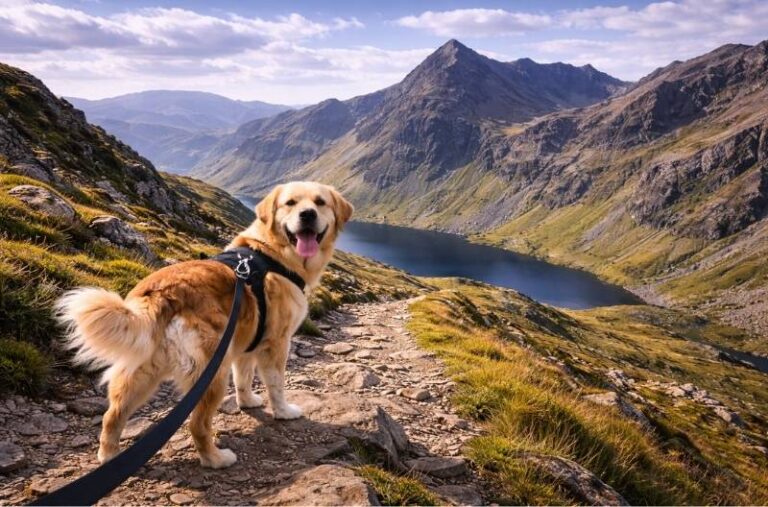


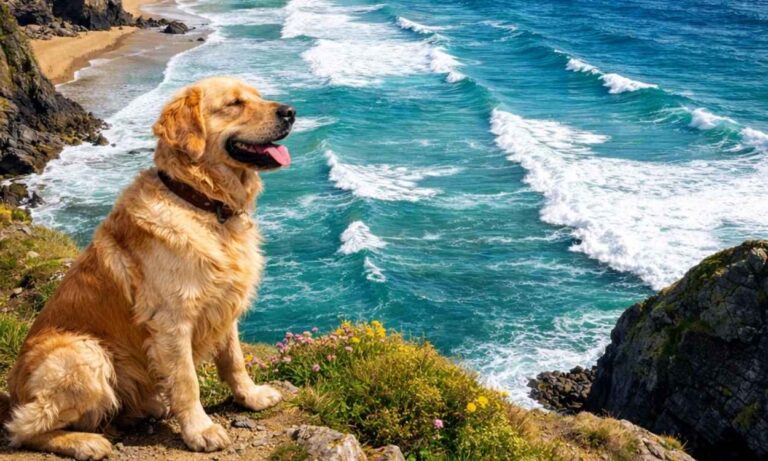
⚠️ Comments Currently Disabled
We've had to temporarily disable our comment section due to a high volume of spam. We apologise for any inconvenience this may cause to our lovely readers!
If you'd like to share your thoughts, experiences, or feedback, please send us an email directly at info@thedogholiday.co.uk and we'll be happy to add your comment manually.
Thank you for your understanding! 🐾
Leave a Comment