
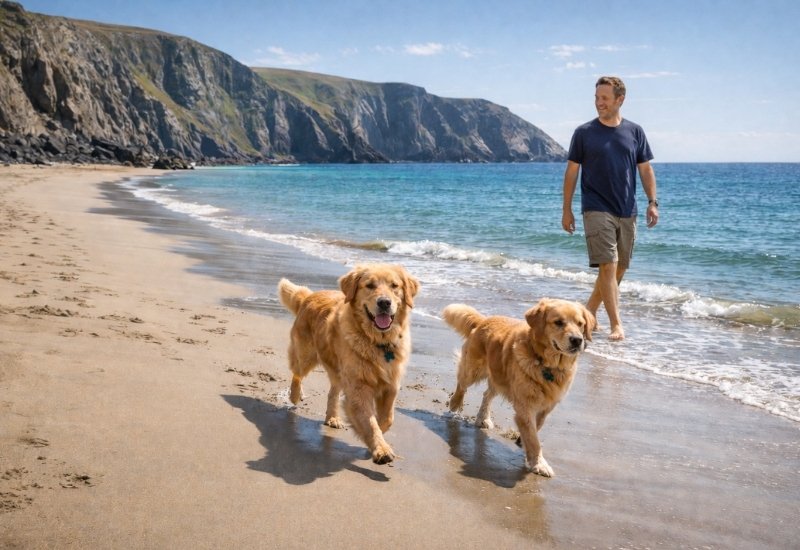
Most Welsh beach guides list the same famous names with identical descriptions. This guide takes a different approach. After years exploring Welsh beaches with six dogs of varying sizes, swimming abilities and temperaments, we have learned what actually matters: which beaches genuinely welcome dogs year-round, where the hidden parking spots are, what dangers lurk that nobody mentions, and why timing your visit correctly transforms the experience.
Wales boasts over 100 beaches along 1,680 miles of coastline, making it one of the finest destinations in our dog-friendly beaches UK guide. Many welcome dogs, but the devil lives in the details. Seasonal restrictions vary by council. Tides in South Wales rank among the world's most extreme. Seals in Pembrokeshire create genuine dog safety concerns during pupping season. Sand impaction sends more dogs to vets than most owners realise. This guide covers what you actually need to know.
The Year-Round Question: Why It Matters
The distinction between year-round and seasonal access fundamentally changes holiday planning. Summer restrictions (typically 1 May to 30 September) eliminate many popular beaches during peak holiday season. When planning your dog-friendly holiday in the UK, understanding this makes all the difference. Planning around restrictions requires either:
- Choosing genuinely year-round beaches
- Visiting outside summer months
- Understanding exactly which sections remain accessible during restrictions
Most "dog-friendly beach" lists mix all three categories without clarity. We separate them properly below.
Genuinely Year-Round Beaches (No Restrictions)
These beaches welcome dogs 365 days a year with no restricted zones. They represent the safest choices for summer holidays.
Pembrokeshire Year-Round Beaches
Barafundle Bay The beach that makes "best in Britain" lists deserves the praise, but the reality requires context. The 10-minute walk from Stackpole Quay car park filters out casual visitors, keeping crowds manageable. The golden sand and turquoise water genuinely rival Mediterranean beaches on sunny days. However, the water temperature does not. Even June swimming feels bracingly cold.
Year-round dog access makes this exceptional for summer visits. The sheltered aspect creates a microclimate that extends beach season into autumn. Charlie and Ember have swum here in October with surprising comfort.
Stackpole Estate Walks One of Pembrokeshire's most popular dog-friendly walks combines with beach access at Barafundle Bay and Broad Haven South. The lily ponds walk adds variety to beach-focused days. National Trust car park charges apply.
Marloes Sands This remote beach backed by dramatic cliffs reveals rock pools, caves and remnants of the paddle steamer Albion at low tide. Year-round dog access without restrictions. The beach can disappear entirely at high tide, so timing matters critically.
The 20-minute walk from the car park deters crowds. Seal sightings common, which creates considerations discussed below. The rock formations provide endless sniffing interest for dogs.
Practical notes: Check tide times before visiting. The beach genuinely vanishes at high tide. No facilities. The walk involves some uneven terrain.
Broadhaven South Locals guard this beach's quietness jealously. The sugar-like sand and views to Church Rock sea stack reward the effort of reaching it. Access via walk from Bosherston Lily Ponds or clifftop car park.
Year-round dog access. Less crowded than nearby alternatives. The lily ponds walk adds variety to beach-focused days.
Newport Sands (Traeth Mawr) Vast sandy beach with year-round dog access. Shallow waters suit paddling dogs. Views to nearby cliffs create photogenic backdrops. More facilities than remote alternatives, including nearby parking.
Ceibwr Bay Unspoilt natural beauty with no restrictions whatsoever. Remote location keeps crowds minimal. The dramatic cliff scenery and rock formations provide varied exploration.
Anglesey Year-Round Beaches
Red Wharf Bay At low tide, this beach stretches an astonishing 10 square miles. The historical name (Traeth Coch, meaning Red Beach) references a Viking battle that stained the sands with blood. Today it offers peaceful dog walking with zero restrictions year-round.
The Ship Inn welcomes dogs for post-beach refreshment. The Tavern on the Bay and Old Boathouse allow dogs at outside tables.
Practical notes: Tide awareness essential here. The vast expanse at low tide becomes very different at high water.
Rhosneigr (All Three Beaches) Three distinct beaches, all completely dog-friendly 365 days. Traeth Crigyll offers clear shallow waters ideal for paddling and paddleboarding. Traeth Llydan attracts surfers and swimmers. Traeth Cymyran stays quietest, mainly visited by fishermen.
Warning: Avoid letting dogs swim in nearby Llyn Maelog. Blue-green algae blooms have been reported and can be fatal to dogs.
Church Bay (Porth Swtan) Sand and pebble beach with outstanding natural beauty. Rockpools, cliffs and coastal paths in both directions. Blue Flag status. The Lobster Pot restaurant above the beach welcomes dogs. Year-round access though some restrictions apply May to September on sections.
Gower Year-Round Beaches
Rhossili Bay Three miles of golden sand voted UK's No.1 Dog-Friendly Beach. Year-round access to most sections makes this viable even in summer. The Worm's Head promontory (tidal island) adds adventure for those who understand tide timing.
Views from The View coffee shop above the beach justify the name. Dogs welcome inside and out.
Practical notes: Worm's Head causeway only accessible around low tide. People get stranded every year. Check tide times and allow 2.5 hours minimum for the crossing and return.
Ogmore by Sea No restrictions at all. Rolling sand dunes provide space for reactive dogs or those needing distance from others. The river estuary adds variety. Stepping stones across the Ogmore River create optional adventure.
Parking £6.50 for day ticket. Multiple dog-friendly pubs nearby. The space available here suits nervous dogs who need room.
Beaches with Seasonal Restrictions (Partial Access)
These beaches restrict dogs from certain areas May to September but maintain dog-friendly zones throughout the year.
Understanding Restriction Zones
Restrictions typically apply to main bathing areas near facilities. Adjacent sections usually remain accessible. Signs and maps mark boundaries, but arriving at an unfamiliar beach and navigating restrictions with excited dogs creates stress. Our advice: visit restricted beaches outside summer, or study council maps before arriving.
Llanddwyn Beach (Traeth Llanddwyn), Anglesey Often listed as year-round, but restrictions do apply to sections May to September. The remaining areas still provide excellent dog walking. The adjacent Newborough Forest allows combining beach and woodland in one outing.
The views to Snowdonia across the water justify the journey regardless of restrictions.
Harlech Beach Four miles of sand with partial summer restrictions. National Nature Reserve protects dunes. Snowdonia views across the bay. Most of the beach remains accessible even during restriction periods.
Porthdinllaen Named one of UK's best secret beaches. Sheltered cove with usually calm water suits nervous swimmers. Restrictions apply towards Nefyn (right side) from April to September. Dogs can roam freely from Tŷ Coch Inn towards the golf course.
The Tŷ Coch Inn, voted third best beach bar in the world, welcomes dogs inside and out. It's one of the most memorable dog-friendly pubs in Wales. Access requires 20-minute walk across golf course or along beach at low tide. No vehicle access.
Llangrannog Beach Main beach restricts dogs May to September, but Cilborth side remains dog-friendly year-round. At low tide, you can walk between both beaches. The coastal path provides alternative access with seal and dolphin spotting opportunities at Birds Rock.
Council-by-Council Variations
Each Welsh council sets different rules. Before visiting unfamiliar beaches:
Pembrokeshire: Over 50 beaches, most dog-friendly. Check pembrokeshirecoast.wales for current restrictions.
Anglesey: Seven beaches have restriction zones. Council provides PDF maps showing exact boundaries. Download before visiting from anglesey.gov.wales.
Gwynedd: Detailed maps available for partial and full restrictions across their beaches.
Swansea/Gower: Specific "dog-friendly" beaches designated May to September. Others restrict entirely.
What Nobody Tells You: Real Beach Dangers
Standard beach safety advice covers swimming and tides. These lesser-known hazards cause more problems than most owners realise.
Sand Impaction
Dogs digging and retrieving toys ingest sand accidentally. Too much causes intestinal blockages requiring veterinary intervention. Symptoms include constipation, vomiting and lethargy. Prevent by supervising play, keeping toys sand-free, and limiting digging sessions.
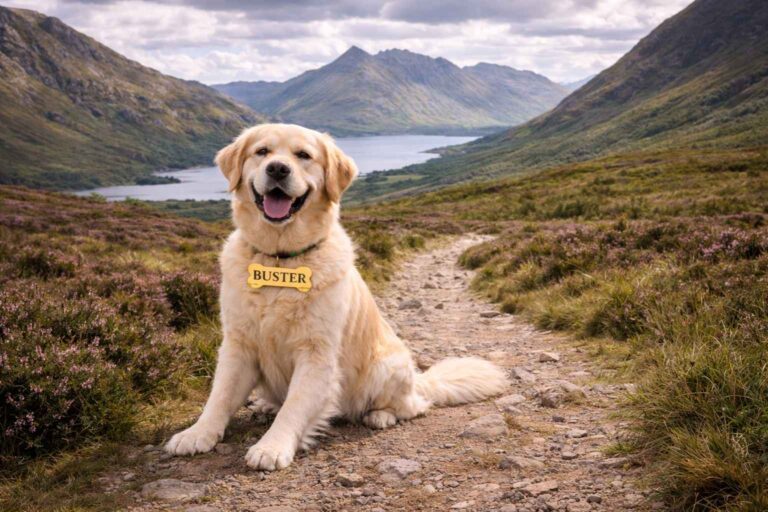
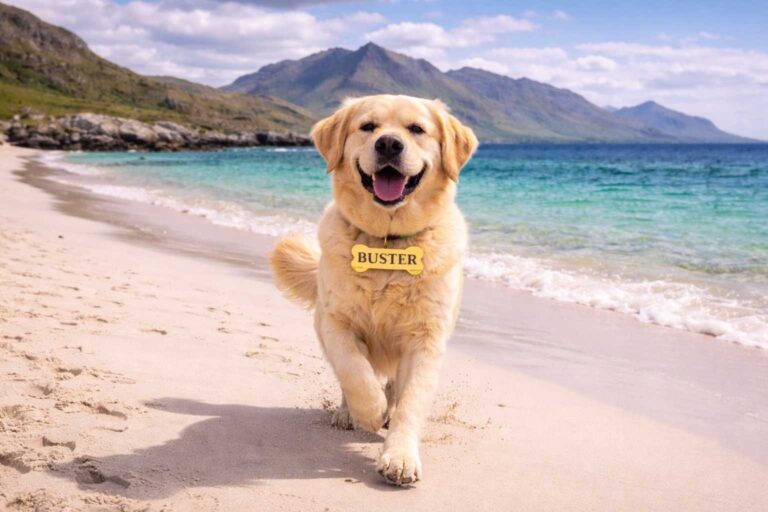
Buster loves digging. We now carry a designated beach ball that stays above the sand rather than buried in it.
Jellyfish (Even Dead Ones)
Jellyfish wash up on Welsh beaches regularly. Dead jellyfish can still sting. Dogs investigating with curious noses get stung on faces and mouths. If stung, soak the area with seawater or vinegar to stop toxin release. Apply ice. Contact your vet immediately as reactions can be serious.
Palm Oil Lumps
Congealed waxy lumps resembling white, orange or black pebbles wash ashore periodically. This palm oil from ships attracts dogs with its strong chemical smell but is highly toxic if eaten. Can cause vomiting, diarrhoea, blockages or death. Keep dogs on leads if you spot suspicious waxy lumps.
Seaweed Dangers
Seaweed causes stomach upsets if dogs eat too much. Large stalks can cause gut blockages. Worse, seaweed can be coated with oil or conceal dead fish that dogs scavenge. The hidden hazards make seaweed-heavy beaches more challenging to supervise.
Weeverfish
These small fish bury in sand in shallow water. Stepping on them delivers painful venomous stings to humans and dogs. Common on sandy Welsh beaches. Dogs paddling in shallows can be stung on paws. The pain is significant and may require veterinary attention.
Seal Encounters
Pembrokeshire and Ceredigion coasts host grey seal populations year-round, with pupping season August to November. This creates genuine safety issues:
- Mother seals are extremely protective and can deliver severe bites
- Dogs approaching seals cause stress that endangers pups
- By law, seals are protected from disturbance
Essential protocol: Keep dogs on leads in seal areas. Maintain 50 metres minimum distance (half a football pitch). This is especially critical during pupping season. Beaches like Marloes Sands and surrounding coastline require extra vigilance.
Tide Timing: The Wales Difference
Wales's southeast coast has one of the highest tidal ranges in the world. This isn't minor variation. Entire beaches disappear. Tidal islands become inaccessible. People and dogs get stranded every year.
Practical Tidal Advice
Check times before every visit. Met Office provides tide tables. Don't assume yesterday's timing applies today.
Best arrival time: Two hours after high tide. The water is receding, sand drying, and beach space increasing throughout your visit. Arriving at low tide means watching your beach space shrink.
Tidal islands: Worm's Head (Gower), Llanddwyn Island (Anglesey), and Sully Island require understanding tide windows. People get stranded regularly. Allow 2.5 hours minimum for crossing and return. Watch for warning signs.
Fast incoming tides: Some Welsh beaches see tides come in surprisingly quickly. If walking far along a beach, keep checking behind you.
Hidden Gems: Beaches Worth the Effort
Penmon Point, Anglesey
Pebbled beach with the striped Trwyn Du lighthouse and Puffin Island views. Seal sightings common. Rock pools busy with crabs and anemones. The Pilot House Café above the beach serves fry-ups and afternoon tea (dogs welcome). Nearby Beaumaris Castle is one of many dog-friendly attractions in Wales worth combining with beach visits.
Small toll (£3.50) for final approach road. Worth paying for the setting. Less crowded than sandy alternatives.
Cei Bach (Little Quay), Ceredigion
Twenty-minute coastal walk from New Quay reaches this spacious stretch of sand and shingle. Wooded cliffs frame the beach. Red Kites often circle overhead. No restrictions whatsoever. Spectacular at sunset. Feels remote despite relative accessibility.
Dinas Dinlle, Gwynedd
Ordinary pebble beach transforms into sweeping sand at low tide. Views to Anglesey, the Llyn Peninsula and Snowdonia mountains. Lighthouse on Llanddwyn Island visible in distance. One of Wales's best sunset locations.
Small summer restriction between stone breakwaters. Rest of beach accessible year-round. Three-mile walk possible at low tide. Watch for aircraft from nearby Caernarfon airport (adds interest rather than detracting).
Cwmtydu to Castell Bach, Ceredigion
Park at Cwmtydu and walk north on the coastal path. The Iron Age hill fort above the beach gives Castell Bach its name. Unusual layered rock formation sits in the beach centre. Sheltered, interesting, rarely crowded.
Multi-Dog Considerations
Travelling with multiple dogs changes beach dynamics considerably.
Space requirements: Beaches like Ogmore by Sea and Red Wharf Bay provide enough space that multiple dogs can run without constant collision with other beach users.
Recall challenges: Multiple dogs distract each other. Beaches with natural boundaries (coves, headlands) provide containment that vast open beaches lack.
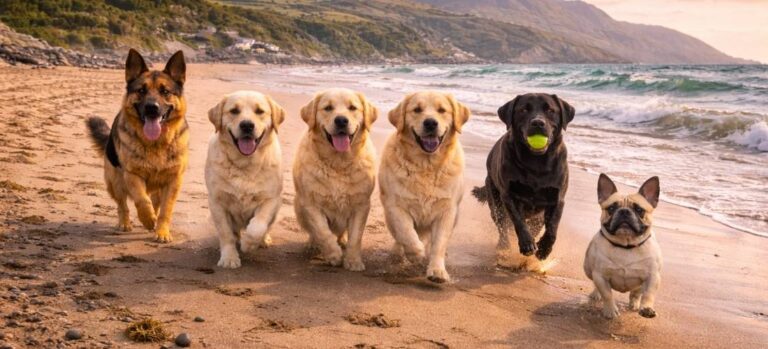
Post-beach logistics: Six wet, sandy dogs in one vehicle requires planning. We carry multiple towels, designate a sandy dog zone in the car, and accept that some mess is inevitable.
Pack dynamics: Beaches bring out chase instincts. Our dogs respond to birds, other dogs, waves differently than on walks. Higher arousal levels require more management.
Practical Beach Kit
Beyond standard dog walking equipment:
- Extra water (more than you think you need)
- Collapsible bowl (sand-free design preferable)
- Designated beach toys (that stay above sand)
- First aid kit including tweezers for stingers
- Sunscreen (dogs can burn, especially on noses and ears)
- Shade solution for longer stays
- Towels per dog (not one shared towel)
- Paw rinse bottle for removing sand
- Leads (even if planning off-lead time)
Post-Beach Care That Matters
Immediate Rinse
Salt and sand irritate skin. Rinse dogs with fresh water after every beach visit. Pay attention to ears, paws and underbelly where residue accumulates.
Paw Checks
Sand hides in paw pads. Glass, shells and sharp objects embed in soft tissue. Check thoroughly after every beach visit.
Ear Care
Water in ears promotes infections. Dry ears gently after swimming.
Tick Checks
Dune grass harbours ticks. Check dogs after any dune exploration, especially in warmer months. Many dog-friendly cottages in Wales provide utility rooms perfect for post-beach tick checks and paw cleaning.
Watch for Delayed Symptoms
Salt water ingestion causes vomiting and diarrhoea. Sand ingestion causes blockages. Jellyfish stings can develop reactions hours later. Monitor dogs for 24 hours after beach visits.
Frequently Asked Questions
Which Welsh beaches allow dogs all year?
Barafundle Bay, Marloes Sands, Broadhaven South, Newport Sands and Ceibwr Bay in Pembrokeshire. Red Wharf Bay and Rhosneigr beaches on Anglesey. Rhossili Bay and Ogmore by Sea on the Gower/South Wales coast. These have no restrictions any time of year.
When do Welsh beach dog restrictions apply?
Most restrictions run 1 May to 30 September. Each council sets different rules. Some beaches ban dogs entirely from sections, others require leads, some have no restrictions. Always check before visiting unfamiliar beaches.
Are dogs allowed on Pembrokeshire beaches?
Over 50 Pembrokeshire beaches welcome dogs. Many have no restrictions. Some have seasonal restrictions on sections. The Pembrokeshire Coast National Park provides current information at pembrokeshirecoast.wales.
What's the best time to visit a Welsh beach with dogs?
Arrive two hours after high tide. The beach is expanding, sand drying. Early morning or late afternoon avoids peak crowds and hottest temperatures. Spring and autumn offer fewer restrictions and quieter conditions.
Can dogs swim at Welsh beaches?
Yes, at beaches allowing dogs. Check for red flags indicating dangerous conditions. Watch for strong currents, particularly on surf beaches. Cold water is standard, even in summer. Not all dogs are natural swimmers. Never force reluctant dogs into water.
Are there dangerous animals at Welsh beaches?
Weeverfish bury in sand and sting painfully. Jellyfish wash up and sting even when dead. Grey seals can bite, especially protective mothers near pups. Blue-green algae in some coastal lakes is toxic to dogs.
What should I do if my dog is stung by a jellyfish?
Soak the affected area in seawater or vinegar to stop toxin release. Apply ice if available. Don't let the dog lick the area. Contact your vet immediately as reactions can be serious.
How do I know if a beach has dog restrictions?
Check the relevant council website before visiting. Signs at beaches mark restriction zones. During summer months, lifeguards can clarify boundaries. Download council PDF maps showing exact restricted areas.
Book Your Stay
Ready to explore Welsh beaches with your dog? Browse dog-friendly cottages in Wales near your chosen beaches or find coastal accommodation on our booking page. For complete planning, see our guides to dog-friendly Wales, Welsh walks and Welsh pubs for post-beach refreshment.
Seasonal Strategy: When to Visit Which Beaches
Understanding Welsh beach seasons transforms holiday planning from stressful guesswork to confident decision-making.
Spring (March to May)
Restrictions haven't started yet (most begin 1 May). Beaches remain quiet. Weather unpredictable but improving. Seal pupping hasn't begun. Wildflowers along coastal paths. Our favourite season for Welsh beaches.
Best for: Exploring beaches that restrict in summer while still accessible. Building up to summer with quieter visits.
Watch for: Lambing season means dogs on leads near coastal farmland. Ground-nesting birds starting to nest (stick to marked paths).
Summer (June to August)
Restrictions in force at many beaches. Crowds at popular spots. Hot sand burns paw pads. Early morning or late evening visits essential on hot days.
Best for: Year-round beaches only. Arrive before 9am or after 5pm. The genuinely unrestricted beaches listed above become invaluable.
Critical: Hot sand causes burns and distress. Touch the sand with your palm before letting dogs on it. If it's too hot for your hand, it's too hot for paws. Stick to wet sand near waterline.
Autumn (September to November)
Restrictions lift (most end 30 September). Beaches empty dramatically. Seal pupping season begins (August onwards). Weather often surprisingly good in September and early October.
Best for: Previously restricted beaches now accessible. Fewer crowds. Excellent walking weather. Accommodation prices drop.
Watch for: Seal pups on Pembrokeshire beaches. Maintain strict distance and lead control.
Winter (December to February)
Full access everywhere. Dramatic storm watching from safe viewpoints. Empty beaches for miles. Cold water discourages swimming.
Best for: Dogs who love wild weather and empty spaces. Photography opportunities in dramatic light. Avoiding any crowd concerns.
Practical note: Check beach access roads. Some car parks close or reduce hours in winter. Facilities shut. Consider dog-friendly hotels near beaches if cottage availability is limited.
Dog Swimming: Honest Assessment
Not all dogs are natural swimmers, despite what social media suggests. Welsh sea swimming requires honest evaluation of your dog's abilities.
Strong Swimmers
Dogs who confidently enter water and swim without panic can enjoy most Welsh beaches. Even strong swimmers should avoid surf beaches on rough days and areas with visible currents.
Good choices: Sheltered coves like Porthdinllaen. Calm days at larger beaches. River estuaries at low tide.
Nervous or Weak Swimmers
Many dogs dislike or struggle with swimming. This is normal. Don't force water entry.
Good choices: Beaches with gradual entry and minimal waves. Shallow paddling areas rather than swimming depth. Rhosneigr's Traeth Crigyll offers clear shallow water ideal for cautious paddlers.
Non-Swimmers
Plenty of dogs hate water. Beach visits can still be excellent for running, exploring and socialising without any swimming requirement.
Good choices: Focus on sand and rock pool exploration. Red Wharf Bay's vast low-tide expanse provides running space without water pressure.
Molly (our French Bulldog) doesn't swim. Brachycephalic breeds often struggle with water. Beach visits focus on what she enjoys: sniffing, digging supervised holes, running on firm sand. No swimming required for a great beach day.
Photography Tips: Capturing Welsh Beach Memories
Welsh beaches provide exceptional dog photography opportunities if you understand the conditions.
Light Quality
Welsh light differs from Mediterranean sun. Softer, more diffused light creates flattering dog portraits without harsh shadows. Overcast days, often dismissed as poor beach weather, actually produce the best dog photos.
Timing
Golden hour (hour after sunrise, hour before sunset) creates magical conditions. Empty beaches in these windows provide clean backgrounds. Long shadows add drama.
Composition
Include landscape elements that convey Welsh character: rock formations, lighthouses, distant mountains. The Snowdonia backdrop from Anglesey beaches creates unmistakable location context.
Action Shots
Running dogs on wet sand at sunset create reflection effects impossible to achieve elsewhere. Burst mode essential. Pre-focus on a spot and capture dogs running through it.
Practical Considerations
Sand and salt damage camera equipment. Weather-sealed gear helps. Keep equipment in bags until shooting. Clean lenses frequently. Accept that perfect dog photos require multiple attempts.
Final Thoughts
Welsh beaches offer some of Britain's finest dog-friendly coastline. The year-round access at beaches like Barafundle Bay, Marloes Sands and Red Wharf Bay makes summer holidays genuinely viable without restriction stress. The lesser-known gems reward those willing to walk a little further. The dangers, while real, are manageable with awareness.
What transforms beach visits from good to exceptional is preparation. Understanding tides, knowing which beaches genuinely welcome dogs, recognising hazards, and timing arrivals properly creates space for the experiences dogs love: running on sand, swimming in waves, exploring rock pools, and collapsing exhausted in the car afterwards.
Charlie, Buster, Ember, Simba, Max and Molly have their favourites. Barafundle for its beauty. Red Wharf Bay for its vastness. Penmon Point for its atmosphere. Each dog responds differently to beaches, finding their own pleasures in the sand, surf and smells.
Perhaps your dogs will discover their Welsh beach favourites too.
Happy adventures, Luke, Charlie, Buster, Ember, Simba, Max and Molly 🐾
This guide reflects our personal experiences at Welsh beaches with six dogs. Restrictions, conditions and access can change. Always verify current information with local councils before visiting unfamiliar beaches.




⚠️ Comments Currently Disabled
We've had to temporarily disable our comment section due to a high volume of spam. We apologise for any inconvenience this may cause to our lovely readers!
If you'd like to share your thoughts, experiences, or feedback, please send us an email directly at info@thedogholiday.co.uk and we'll be happy to add your comment manually.
Thank you for your understanding! 🐾
Leave a Comment