
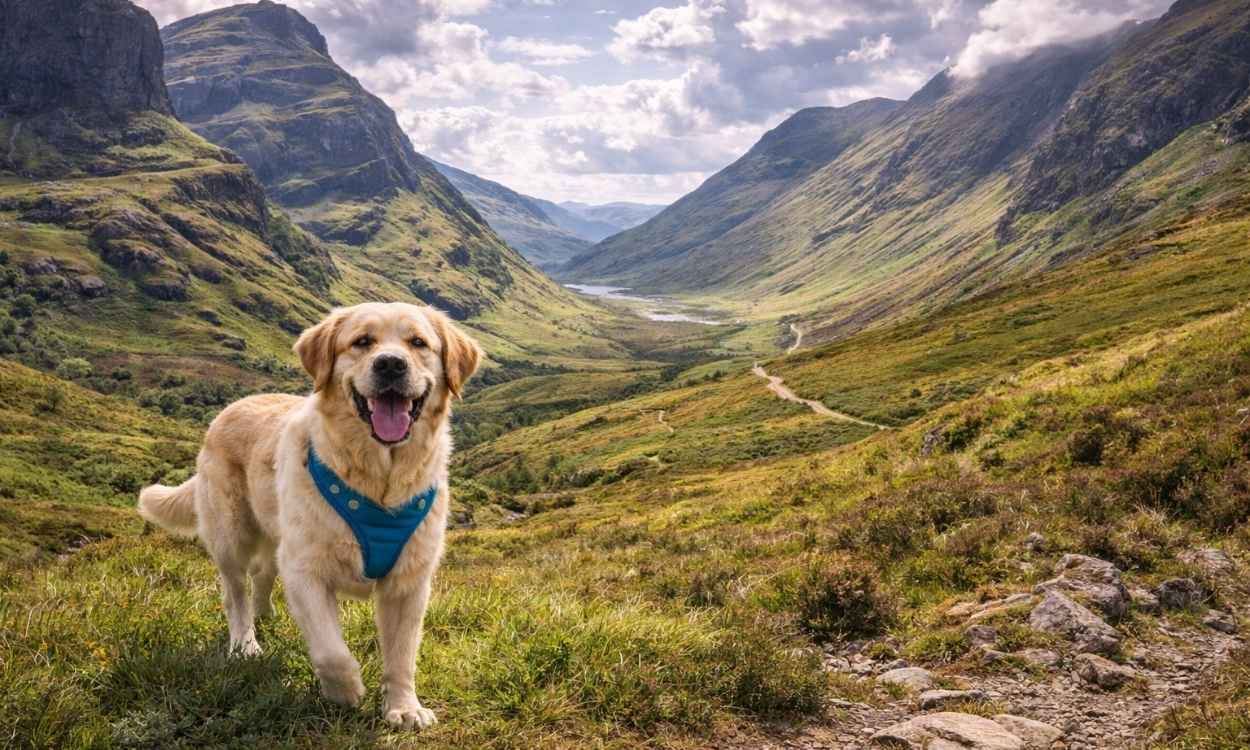
The Scottish Highlands stopped me in my tracks the first time I drove through Glencoe. Mountains rose sheer from the valley floor, mist clung to the peaks, and the scale of everything dwarfed our car completely. Then I noticed dogs everywhere. On trails, by lochs, in pub gardens. Scotland's legendary hospitality extends enthusiastically to four-legged visitors, and the Highlands represent that welcome at its most spectacular.
This guide covers everything I've learned from exploring Scotland's wild heart with our pack. From the shores of Loch Ness to the summit views of Ben Nevis, the Highlands offer dog-friendly adventures on a scale unmatched anywhere in Britain.
Why the Scottish Highlands is Perfect for Dogs
The Highlands work for dogs on a fundamental level that few destinations can match. Understanding why helps you appreciate what makes this region exceptional.
First, Scotland's Right to Roam. The Land Reform (Scotland) Act 2003 grants everyone the right to access most land and inland water for recreational purposes. This means dogs (under proper control) can explore mountains, forests, lochs, and coastline with freedoms impossible in England. The Scottish Outdoor Access Code guides responsible behaviour, but the principle of open access transforms what's possible.
Second, the scale. The Highlands cover nearly 26,000 square kilometres of the most sparsely populated land in Western Europe. You can walk for hours without seeing another person. For dogs who need space, for reactive dogs who struggle with crowds, and for owners who simply want wilderness, this matters enormously.
Third, the terrain variety. Beach walks along white sand shores. Forest trails through ancient Caledonian pinewoods. Mountain paths climbing to Munro summits. Lochside strolls with water access throughout. The Highlands contain every type of landscape a dog could want.
The combination creates Britain's ultimate dog-friendly destination. Recent statistics show dog ownership in Scotland at record levels, and the tourism infrastructure has developed to match. Castles welcome dogs in their grounds. Boat trips accept four-legged passengers. Pubs provide treats as standard.
Best Dog-Friendly Areas in the Scottish Highlands
Glencoe
Glencoe delivers drama from the moment you enter the glen. Mountains tower on both sides. Waterfalls cascade down steep slopes. The Three Sisters dominate views eastward. This is the Highlands as imagination pictures them.
Dogs are welcome throughout Glencoe on numerous trails. The Glencoe Lochan trail provides an easy woodland loop perfect for all fitness levels. The forest setting suits nervous dogs who prefer shelter. Signal Rock and the Lost Valley offer more challenging options for adventurous dogs and owners.
The village of Glencoe has excellent facilities. The Clachaig Inn welcomes dogs in its Boots Bar, serving climbers and walkers for generations. Accommodation ranges from camping to self-catering cottages. The National Trust for Scotland visitor centre provides information and refreshments.
Fort William and Ben Nevis
Fort William serves as the outdoor capital of the UK, sitting beneath Ben Nevis, Britain's highest mountain. While the summit presents serious challenges, numerous walks around the area suit dogs of all abilities.
The Cow Hill circuit offers panoramic views of Ben Nevis and surrounding peaks. Glen Nevis provides forest walks and riverside trails that dogs love. Neptune's Staircase, the famous canal locks, creates an easy waterside walk.
Fort William itself has excellent facilities for restocking supplies. Outdoor shops, supermarkets, and dog-friendly cafes cluster in the town centre. The Crofter restaurant welcomes dogs at outdoor seating.
Cairngorms National Park
The Cairngorms represent Britain's largest National Park, containing five of Scotland's six highest mountains. Ancient Caledonian pine forests shelter red squirrels. Golden eagles soar above the plateau. The landscape feels genuinely wild.
Glenmore Forest Park near Aviemore provides the perfect introduction. Well-maintained trails wind through pine forest around Loch Morlich. Dogs can swim in the loch's sandy shallows. The beach here feels surprisingly Mediterranean on sunny days, despite the mountain backdrop.
Loch an Eilein offers one of Scotland's most beautiful walks. The 5-mile circuit around the loch passes a ruined castle on an island. The forest setting provides shelter in poor weather. Red squirrels are commonly spotted.
The Uath Lochans trail near Kingussie delivers stunning views for minimal effort. The walk to Farleitter Crag overlooks shimmering lochans against the Cairngorm backdrop. This is one of Britain's finest viewpoints, accessible to most dogs.
Loch Ness and the Great Glen
Loch Ness needs no introduction. The 23-mile long loch dominates the Great Glen, surrounded by forest and overlooked by Urquhart Castle. Monster hunting aside, this area offers excellent dog-friendly experiences.
The Great Glen Way runs 79 miles from Fort William to Inverness along the glen. Sections make excellent day walks. The route follows canal towpaths, forest tracks, and lochside trails. Dogs are welcome throughout.
Urquhart Castle ruins welcome dogs in the grounds with spectacular loch views. The Dores Inn on the loch's southern shore welcomes dogs in its bar, with outdoor seating overlooking the water. Keep watching for Nessie.
Glen Affric
Glen Affric has been called Scotland's most beautiful glen. Ancient Caledonian pinewood, tumbling burns, and remote mountains combine in a landscape that feels unchanged for centuries.
The Dog Falls trails (yes, really named that) provide waymarked routes through the forest. Three options vary from gentle strolls to longer explorations. The yellow Coire Loch trail climbs to views across the glen.
This area suits dogs who love wild places. The glen stretches westward into increasingly remote terrain. Bonnie Prince Charlie hid here after Culloden. The isolation that protected him now attracts those seeking escape from modern life.
Isle of Skye
Skye deserves mention despite technically sitting west of the Highlands proper. The bridge connection makes it easily accessible, and the landscapes are extraordinary.
The Fairy Pools in Glen Brittle rank among Scotland's most photographed locations. Crystal-clear pools beneath waterfalls create magical scenes. Dogs can paddle in the water. The walk follows a well-maintained path.
The Quiraing on Skye's Trotternish peninsula offers dramatic walking through otherworldly rock formations. Dogs should stay on leads near steep drops. The Old Man of Storr provides another iconic walk with panoramic views.
Dog-Friendly Walks in the Scottish Highlands
The Highlands offer thousands of miles of walking. These routes represent highlights tested with dogs.
West Highland Way
The West Highland Way runs 96 miles from Milngavie near Glasgow to Fort William. This iconic route passes through some of Scotland's finest scenery, and dogs can walk the entire distance.
Day sections work brilliantly for those not attempting the full route. Milngavie to Drymen provides a gentle introduction. Inverarnan to Tyndrum offers dramatic glen scenery. The final stretch into Fort William delivers spectacular mountain views.
Accommodation along the route increasingly welcomes dogs. Planning ahead ensures dog-friendly options at each stop. The Way passes pubs, cafes, and villages for refreshment breaks.
Great Glen Way
The Great Glen Way covers 79 miles from Fort William to Inverness along the geological fault line cutting across Scotland. The route follows canal towpaths, forest tracks, and lochside paths.
Terrain suits dogs of most abilities. The surface is generally good, with fewer challenging sections than the West Highland Way. Views of Loch Ness, Loch Lochy, and Loch Oich provide constant interest.
Glencoe Walks
Glencoe contains walks for all abilities. The Glencoe Lochan trail provides easy, sheltered walking through woodland. The Signal Rock trail adds moderate challenge. The Lost Valley (Coire Gabhail) offers adventure for fit dogs and owners.
Longer routes include sections of the West Highland Way passing through the glen. The Devil's Staircase climbs to the highest point on the Way with panoramic views.
Cairngorms Trails
The Cairngorms offer everything from gentle forest strolls to serious mountain routes. Glenmore Forest Park trails suit families and casual walkers. Rothiemurchus Forest provides miles of pine woodland exploration.
The Lairig Ghru, a mountain pass through the Cairngorms massif, presents a serious undertaking suitable only for fit dogs and experienced walkers. The 24-mile route crosses remote, high terrain.
Coastal Walks
The Highlands include stunning coastline often overlooked. The beaches around Morar feature white sand that rivals Caribbean shores. Sandwood Bay in the far northwest requires a 4-mile walk to reach but rewards effort with complete isolation.
The North Coast 500 route passes numerous accessible beaches. Dogs can explore sands, rock pools, and coastal paths throughout.
Dog-Friendly Attractions in the Scottish Highlands
Beyond walking, the Highlands offer attractions welcoming dogs.
Castles
Highland castles increasingly welcome dogs in their grounds. Urquhart Castle on Loch Ness allows dogs throughout the exterior areas with stunning views. Eilean Donan Castle, one of Scotland's most photographed buildings, welcomes dogs in the grounds though not inside.
Dunrobin Castle in Sutherland welcomes dogs in its extensive gardens. The falconry displays provide entertainment. Castle Menzies near Aberfeldy allows dogs in the grounds with access to riverside walks.
Distilleries
Several whisky distilleries welcome dogs, understanding that many visitors tour with four-legged companions. Policies vary, so check before visiting. Some allow dogs in visitor centres and grounds but not production areas.
Boat Trips
Loch Ness boat trips generally welcome well-behaved dogs. The chance to search for Nessie from the water appeals to visitors, and operators accommodate dogs. Similar trips on other lochs often accept dogs.
Wildlife Watching
The Highlands provide exceptional wildlife watching opportunities. Ospreys nest at Loch Garten. Red deer roam the hills. Golden eagles soar above the mountains. Dogs must remain under close control to avoid disturbing wildlife, but responsible owners can enjoy these experiences together.
Dog-Friendly Pubs in the Scottish Highlands
Highland pubs welcome dogs with genuine enthusiasm. These represent highlights.
The Clachaig Inn, Glencoe
The Boots Bar at Clachaig Inn has welcomed walkers and their dogs for generations. Muddy boots and wet dogs are expected. Good food, real ales, and mountain atmosphere make this essential.
The Dores Inn, Loch Ness
Sitting on Loch Ness's southern shore, The Dores Inn welcomes dogs while you watch for the monster. The outdoor seating offers spectacular views. Good food and friendly service complete the experience.
The Old Forge, Knoydart
Officially Britain's most remote pub, reachable only by boat or on foot, The Old Forge welcomes dogs who make the journey. The adventure of reaching Knoydart adds to the experience.
The Grog and Gruel, Fort William
A Fort William institution welcoming dogs in its bar. Good food, decent beer, and a central location make this useful for town-based exploration.
Dog-Friendly Accommodation
The Highlands offer excellent dog-friendly accommodation ranging from remote bothies to luxury lodges.
Cottages and Lodges
Self-catering cottages suit dog owners perfectly. The Highlands have exceptional options from simple crofts to luxury lodges. Many feature enclosed gardens, essential for secure dog containment in remote areas.
Look for properties with direct access to walks. Many Highland cottages sit in locations where you can step outside and walk for miles without using roads.
Hotels and Inns
Several hotels welcome dogs throughout the Highlands. Tulloch Castle Hotel allows dogs in bedrooms and public areas except the restaurant. Traditional inns throughout the region combine character accommodation with good food.
Camping
Camping works brilliantly in the Highlands. Wild camping is legal under the Scottish Outdoor Access Code (with responsible behaviour). Established campsites provide facilities while maintaining outdoor atmosphere.
Planning Your Highlands Trip
Best Time to Visit
The Highlands reward visits year-round but present challenges in each season. Summer (June-August) brings longest days and warmest weather but also midges, Scotland's notorious biting insects. These tiny flies can make outdoor activities miserable in still, damp conditions. Dogs seem less bothered than humans, but planning around midge season matters.
Spring and autumn offer excellent conditions with fewer midges. September and October bring spectacular autumn colours. Winter provides dramatic scenery but requires preparation for severe weather.
Getting There
The Highlands are accessible by car via the A9 from Edinburgh or the A82 from Glasgow. Journey times from central Scotland run 2-4 hours depending on destination. The roads are generally good but often single-track in remote areas.
Train services reach Fort William, Inverness, and other Highland towns. The West Highland Line from Glasgow to Fort William ranks among the world's most scenic railway journeys. Dogs travel on ScotRail services.
What to Pack
Highland weather changes rapidly. Pack layers and waterproofs regardless of forecast. Midges require preparation, including repellent and head nets during peak season.
For dogs, bring standard travel essentials plus extra consideration for remote areas. Carry sufficient water since streams may not always be accessible. First aid supplies matter more when far from veterinary services.
Frequently Asked Questions
Can dogs go anywhere in the Scottish Highlands?
Scotland's Right to Roam allows access to most land for recreation. Dogs must remain under proper control, particularly near livestock and wildlife. Some areas have seasonal restrictions for ground-nesting birds.
Are there beaches in the Scottish Highlands?
Yes. The west coast and north coast have stunning beaches, many with white sand. Morar, Arisaig, and the far northwest coast offer exceptional dog-friendly beaches.
Can dogs climb Ben Nevis?
Physically possible but not recommended for most dogs. The mountain presents serious challenges including unpredictable weather, rocky terrain, and significant altitude. Many other Highland walks offer spectacular views without these risks.
What are midges and how do I protect my dog?
Midges are tiny biting flies prevalent in the Highlands from May to September. They're worst in still, damp conditions near dawn and dusk. Dogs seem less affected than humans, but avoiding peak times and locations helps.
Are whisky distilleries dog-friendly?
Policies vary by distillery. Some welcome dogs in visitor centres and grounds, while others restrict access. Check before visiting.
Can dogs go on Loch Ness boat trips?
Many operators welcome well-behaved dogs. Check when booking. Some require dogs to remain on leads or in specific areas.
What's the weather like in the Scottish Highlands?
Changeable. Rain is possible any day of year. Summer temperatures reach 15-20°C typically. Winter brings snow on higher ground. Pack for all conditions.
Is wild camping with dogs allowed?
Yes, under the Scottish Outdoor Access Code. Camp responsibly, leave no trace, and keep dogs under control.
Are there dog-friendly pubs in remote areas?
Yes. Highland pubs generally welcome dogs, understanding that walkers often travel with four-legged companions. The more remote the pub, the more likely dogs are welcome.
How do I handle livestock with my dog?
Keep dogs on leads near sheep, cattle, and deer. Give livestock space. If cattle approach aggressively, release your dog, as cattle will chase the dog rather than you.
Start Your Highland Adventure
The Scottish Highlands represent Britain's ultimate wilderness, and Scotland's welcoming attitude toward dogs makes this landscape accessible to the whole family. From gentle lochside strolls to challenging mountain routes, from cosy pub fires to remote wild camping, every type of adventure awaits.
The Right to Roam transforms what's possible. The scale provides space impossible to find elsewhere in Britain. The welcome at pubs, accommodation, and attractions makes dogs genuinely part of the experience rather than a complication to manage.
For other spectacular Scottish destinations, explore our guides to Loch Lomond and The Trossachs and the Scottish Borders. Each offers different character, but the Highlands' combination of wilderness, welcome, and wonder makes them essential for any dog-owning adventurer.
Your dog will remember these hills. So will you.
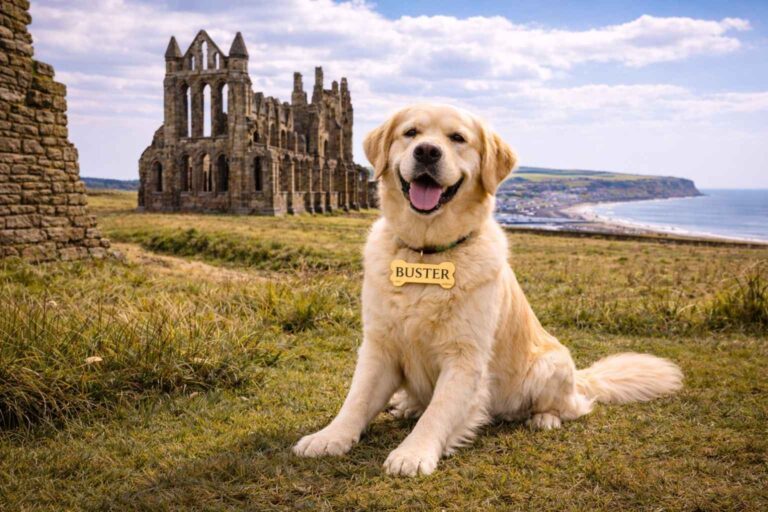
Luke explores the UK with Charlie (German Shepherd), Buster and Ember (Golden Retrievers), Simba and Max (Labradors), and Molly (French Bulldog). This six-dog pack has tested beaches, trails, pubs, and cottages throughout Britain, providing the genuine experience behind every guide on this site.


⚠️ Comments Currently Disabled
We've had to temporarily disable our comment section due to a high volume of spam. We apologise for any inconvenience this may cause to our lovely readers!
If you'd like to share your thoughts, experiences, or feedback, please send us an email directly at info@thedogholiday.co.uk and we'll be happy to add your comment manually.
Thank you for your understanding! 🐾
Leave a Comment