
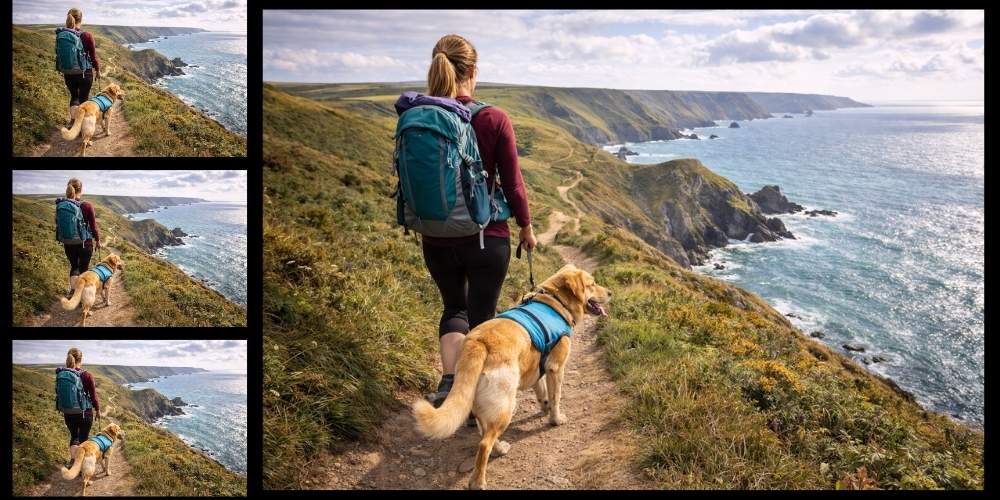
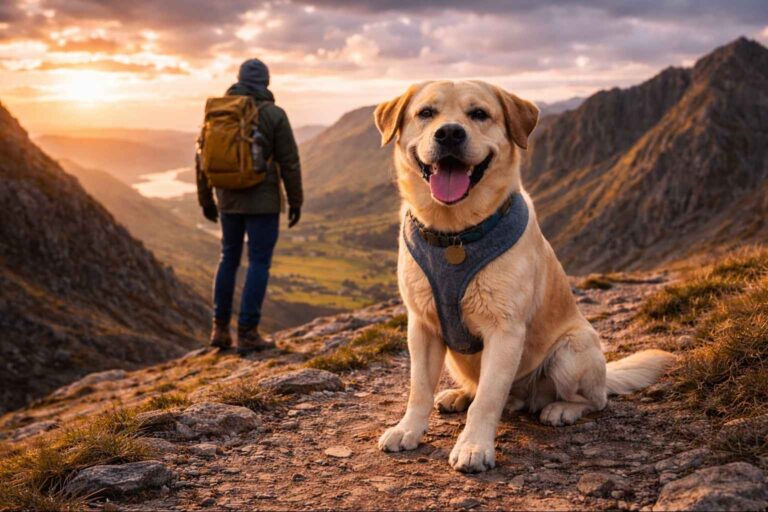
Long distance trails offer the ultimate walking adventure with your dog. Multi-day journeys through Britain's finest landscapes create shared experiences and deep bonding. While logistics require planning, completing a long distance trail with your four-legged companion delivers unmatched satisfaction.
This guide covers everything you need to know about tackling long distance trails with dogs.
Why Long Distance Trails
The Appeal
What Makes Them Special:
- Extended adventure together
- Journey through changing landscapes
- Sense of achievement
- Deeper exploration than day walks
- Uninterrupted quality time
- Physical and mental challenge
The Reality
What to Consider:
- Significant planning required
- Dog-friendly accommodation needed each night
- Dog fitness essential
- Logistics of bags and supplies
- Weather dependence
- Commitment required
Best Dog-Friendly Trails
South West Coast Path
The Classic:
- 630 miles, Cornwall to Dorset
- England's longest trail
- Dramatic coastal scenery
- Excellent dog-friendly sections
Dog Considerations:
- Many beaches have seasonal restrictions
- Cliff edges require care
- Stiles can be challenging
- Sections near livestock
Sections for Dogs: Cornwall and Devon sections offer excellent dog-friendly walking with manageable accommodation.
Coast to Coast
Wainwright's Classic:
- 190 miles, St Bees to Robin Hood's Bay
- Lake District, Yorkshire Dales, North York Moors
- Popular and well-supported
- Varied terrain
Dog Considerations:
- Livestock in farming areas
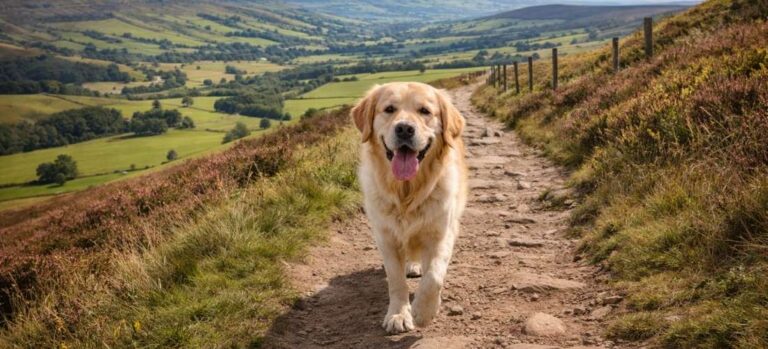
- Moorland sections
- Some steep terrain
- Good dog-friendly accommodation network
Links to: Lake District, Yorkshire
Hadrian's Wall Path
Historic Route:
- 84 miles, coast to coast
- Following Roman wall
- Northumberland landscape
- Manageable length
Dog Considerations:
- Generally good for dogs
- Some livestock areas
- Historic sites (dogs outside)
- Well-served with accommodation
Links to: Northumberland
Pembrokeshire Coast Path
Welsh Coastal Classic:
- 186 miles
- Dramatic Welsh coastline
- National Trail
- Stunning scenery
Dog Considerations:
- Cliff awareness needed
- Some livestock sections
- Beach access varies
- Good dog-friendly infrastructure
Links to: Pembrokeshire
West Highland Way
Scottish Icon:
- 96 miles, Milngavie to Fort William
- Scotland's first long distance route
- Highland scenery
- Well-established trail
Dog Considerations:
- Deer stalking season (keep dogs controlled)
- Remote sections
- Weather variable
- Dog-friendly accommodation available but book ahead
Links to: Scottish Highlands
Cleveland Way
North York Moors:
- 110 miles
- Moors and coast combination
- North Yorkshire
- Varied walking
Dog Considerations:
- Moorland (ground-nesting birds in spring)
- Livestock
- Coastal sections dog-friendly
- Good accommodation network
Pennine Way
The Original:
- 268 miles
- Britain's first National Trail
- Backbone of England
- Challenging terrain
Dog Considerations:
- Remote and challenging
- Moorland terrain
- Weather exposure
- For experienced dogs and walkers
- Accommodation can be sparse
Cotswold Way
Gentler Option:
- 102 miles
- Through the Cotswolds
- Rolling countryside
- Pretty villages
- Good pubs
Dog Considerations:
- Livestock in fields
- Generally good paths
- Village accommodation well-spaced
- One of the more dog-friendly trails
Norfolk Coast Path
Flat Coastal:
- 84 miles
- Along Norfolk coast
- Flat, easy terrain
- Beaches and marshes
Dog Considerations:
- Very dog-friendly
- Some bird reserve restrictions
- Year-round beach access (most)
- Easy terrain suits all dogs
- Excellent for older or less fit dogs
Planning Multi-Day Walks
Preparation
Before Setting Off:
Dog Fitness:
- Build up distance gradually
- Practice consecutive walking days
- Know your dog's limits
- Ensure physically ready
Your Fitness:
- Multi-day walking is demanding
- Train appropriately
- Carrying pack adds challenge
Route Knowledge:
- Study the route
- Know daily distances
- Identify water sources
- Plan rest stops
- Alternative routes if needed
Daily Distances
Planning Stages:
- Consider your dog's ability
- Account for terrain difficulty
- Allow time for rest
- Don't over-ambitious early stages
- Build in flexibility
Typical Dog-Friendly Distances:
- 10-15 miles reasonable for fit dogs
- Less on difficult terrain
- More possible for very fit dogs
- Less for older or smaller dogs
Accommodation
The Key Challenge:
Finding Dog-Friendly Options:
- Book well ahead
- Dog-friendly places limited
- Contact directly to confirm
- Have backup options
Types:
- B&Bs (many welcome dogs)
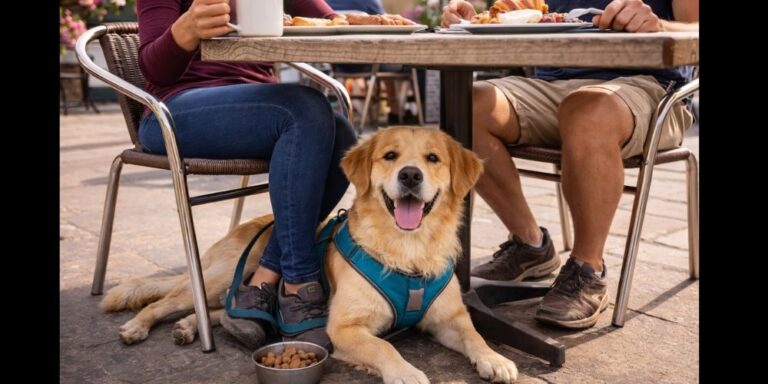
- Pubs with rooms (often excellent)
- Hotels (some)
- Holiday cottages (if staying multiple nights)
- Camping (most flexible)
See our Pubs with Rooms guide for accommodation ideas.
Baggage Services: Some trails have baggage transfer services. Check if they handle dog supplies.
Logistics
Supplies:
- Dog food for entire trip (or resupply points)
- Collapsible bowls
- First aid kit
- Medications if needed
- Poo bags (many!)
- Lead and harness
Daily Needs:
- Water (carry enough)
- Dog snacks
- Weather protection
On the Trail
Daily Routine
Typical Day:
- Breakfast
- Start early (cooler, more time)
- Regular water and rest breaks
- Lunch stop
- Afternoon section
- Arrive at accommodation
- Evening rest and food
Managing Your Dog
Trail Behaviour:
- On lead near livestock
- Recall for off-lead sections
- Pacing for their energy
- Reading tiredness signs
- Rest when needed
Watching for Problems:
- Lameness
- Paw issues
- Fatigue
- Heat stress
- Dehydration
Weather Considerations
Be Prepared:
- UK weather changeable
- Rain gear essential
- Hot weather: start early, rest midday
- Cold: appropriate protection
- Know when to stop
Livestock and Wildlife
Standard Precautions:
- On lead near livestock always
- Give animals space
- Close gates
- Respect farming operations
- Ground-nesting birds in spring (leads on moorland)
Equipment
Dog Equipment
Essential:
- Comfortable harness
- Strong lead
- Collapsible water bowl
- Dog first aid kit
- Paw balm
- Tick remover
- Poo bags
Recommended:
- Dog backpack (to carry their own supplies)
- Reflective gear
- Dog coat (weather dependent)
- Cooling mat (summer)
- Familiar blanket for accommodation
Your Equipment
Standard Trail Kit:
- Good boots
- Weather layers
- Navigation
- First aid
- Water system
- Pack for supplies
Trail Sections vs Whole Trail
Section Walking
Benefits:
- More manageable
- Can return to favourites
- Complete over time
- Less commitment
- Easier logistics
Approach:
- Complete in sections over months/years
- Weekend sections
- Holiday sections
- Build up to longer sections
Through-Hiking
The Full Experience:
- Complete trail in one journey
- Maximum adventure
- Significant commitment
- Deeper immersion
Requirements:
- Extended time off
- High fitness (you and dog)
- Advance planning
- Flexibility for weather/problems
Best Trails for Different Dogs
First-Time Trail Dogs
Easier Options:
- Norfolk Coast Path (flat, short)
- Cotswold Way (gentle)
- Hadrian's Wall (moderate, manageable)
Fit, Experienced Dogs
More Challenging:
- Coast to Coast
- South West Coast Path sections
- Pennine Way
Older or Less Fit Dogs
Gentler Choices:
- Norfolk Coast Path
- Shorter sections of any trail
- Cotswold Way
Very Fit Adventure Dogs
Challenging Options:
- West Highland Way
- Pennine Way
- South West Coast Path (full)
Frequently Asked Questions
Can any dog complete a long distance trail?
Fit, healthy adult dogs can manage most trails. Consider your specific dog's fitness, age, and temperament.
How do I find dog-friendly accommodation on trails?
Research and book ahead. B&Bs and pubs with rooms often welcome dogs. Contact directly to confirm.
How many miles per day is reasonable?
10-15 miles for fit dogs on moderate terrain. Less on difficult ground or with less fit dogs.
Should I carry my dog's food or resupply?
Depends on trail. Popular trails have resupply options. Remote trails may require carrying more.
What if my dog gets tired mid-trail?
Rest days are okay. Have exit strategies. Don't push through exhaustion. Dog welfare comes first.
Which trail is best for beginners?
Norfolk Coast Path (flat, easy), Cotswold Way (gentle), or sections of popular trails.
The Trail Awaits
Long distance trails with your dog offer adventures beyond ordinary walks. The planning is significant but the rewards—shared achievement, deep bonding, beautiful landscapes—make it worthwhile.
Start with sections, build experience, and one day complete an entire trail together.
Luke dreams of long distance trails with Charlie, Buster, Ember, Simba, Max, and Molly. The pack has completed sections of several trails, with the full Coast to Coast on the bucket list.



⚠️ Comments Currently Disabled
We've had to temporarily disable our comment section due to a high volume of spam. We apologise for any inconvenience this may cause to our lovely readers!
If you'd like to share your thoughts, experiences, or feedback, please send us an email directly at info@thedogholiday.co.uk and we'll be happy to add your comment manually.
Thank you for your understanding! 🐾
Leave a Comment