
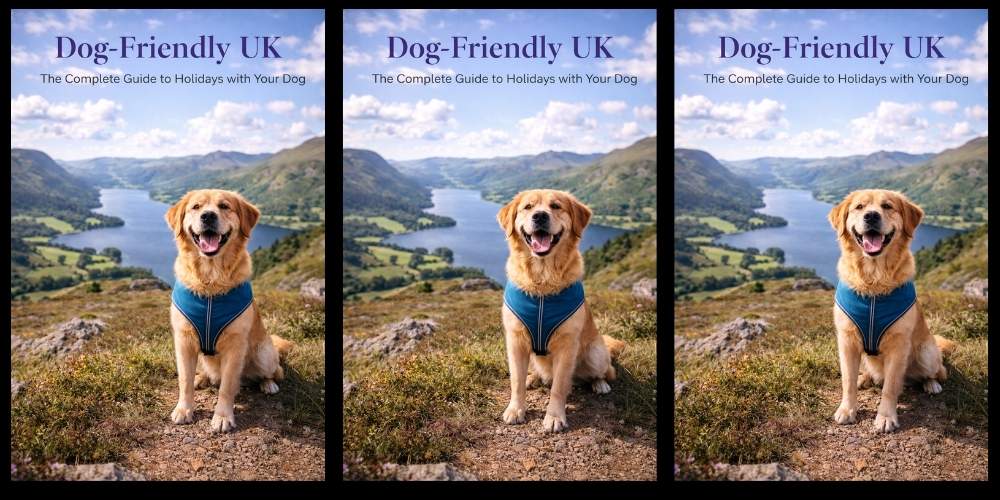
The moment I realised Britain was genuinely dog-friendly came during a rainy Tuesday in the Lake District. We'd walked Catbells with all six dogs, got thoroughly soaked, and stumbled into a pub expecting to be turned away. Instead, the landlord brought towels for the dogs before asking what we wanted to drink. That's the UK I've come to know through hundreds of trips exploring every corner of these islands with my pack.
This guide represents everything I've learned about travelling with dogs in Britain. Not the sanitised version you'll find elsewhere, but honest insights from someone who's navigated beach restrictions with a German Shepherd who hates rules, found dog-friendly cottages that actually welcome multiple large dogs, and discovered which so-called "dog-friendly" destinations really aren't.
Why the UK is Perfect for Dog Holidays
Recent research tells a story that won't surprise any dog owner. A University of Surrey study estimates the dog-friendly travel sector will be worth £40 billion by 2030. More telling is this statistic: 85% of British dog owners would rather have a staycation with their dog than travel abroad without them.
I understand that completely. When you've experienced a sunset walk along a Cornish beach with your dog racing through the waves, or watched them bound across Scottish moorland with genuine joy, foreign holidays without them feel incomplete.
The numbers reflect a fundamental shift in how we view our dogs. They're not pets to be kennelled while we holiday. They're family members whose enjoyment matters as much as our own. Britain has responded to this shift better than almost any country in Europe.
What makes the UK exceptional for dog travel? Start with access. Scotland's Right to Roam legislation means you can walk virtually anywhere with your dog. England and Wales have extensive footpath networks crossing private land. Compare this to countries where dogs are banned from beaches entirely or restricted to leads in all public spaces.
Then there's the infrastructure. Over 75% of UK hotels now accept pets. The country has more dog-friendly pubs per capita than anywhere else in the world. Even attractions increasingly welcome dogs, from National Trust properties with extensive grounds to outdoor museums and gardens.
Choosing Your Perfect Destination
After years of exploring Britain with dogs ranging from an anxious French Bulldog to an energetic German Shepherd, I've learned that matching destination to dog matters more than matching destination to owner.
Coastal Adventures
Britain's 19,000 miles of coastline offer something for every dog. The challenge lies in navigating seasonal restrictions and finding beaches where your dog can actually run free.
Cornwall remains the most popular choice, and deservedly so. The county has over 300 beaches, dramatic coastal paths, and a culture that genuinely welcomes dogs. Our best Cornish trips have been in spring and autumn when most beaches allow dogs all day. Summer brings restrictions on popular beaches, but even then, you'll find quieter spots where four-legged swimmers are welcome. The north coast around Padstow and Newquay offers wilder beaches, while the south coast provides sheltered coves perfect for nervous swimmers.
Devon often gets overlooked for Cornwall, but that's a mistake. North Devon delivers some of England's most spectacular beaches with fewer crowds and more relaxed attitudes toward dogs. South Devon combines coastal beauty with the wilderness of Dartmoor inland. We've had memorable trips combining beach days with moorland adventures, giving the dogs variety they thrive on.
For truly dog-friendly beaches with minimal restrictions year-round, Norfolk is hard to beat. The vast expanses of Holkham and Wells-next-the-Sea allow dogs throughout the year on most sections. The Norfolk Broads add another dimension, with boat hire options that welcome dogs and waterside walks stretching for miles.
Wales deserves special mention. Pembrokeshire's 186-mile coastal path ranks among Britain's finest walks, and Welsh beaches tend to have more relaxed dog policies than English equivalents. Anglesey offers island beaches with views across to Snowdonia, while the Gower Peninsula provides stunning variety in a compact area.
Scotland takes coastal dog-friendliness to another level entirely. The combination of Right to Roam access and sparse population means beaches where your dog might be the only visitor. The Scottish Highlands coastline stretches endlessly, while Isle of Skye delivers dramatic scenery that makes every walk feel epic.
Mountain and Moorland
High-energy dogs need high-energy destinations. Britain's upland areas provide challenging terrain where active breeds can exhaust themselves properly.
The Lake District remains my favourite for mountain adventures with dogs. Over 200 fells offer everything from gentle half-day walks to serious full-day climbs. Ambleside, Windermere, and Keswick make excellent bases, each with distinct character and easy access to different walking areas. The walks here suit various fitness levels, and lakeside options provide gentler alternatives on rest days.
Yorkshire offers similar rewards with fewer crowds. The Dales provide classic English countryside walking, while the Moors deliver wilder terrain. The North York Moors in particular suit dogs who love space and freedom. Yorkshire also excels at the post-walk pub experience, with characterful inns serving proper food to muddy walkers and their dogs.
The Peak District combines accessibility with genuine wilderness. Within an hour of major cities, you can find moorland walks where you won't see another person. The gritstone edges like Stanage and Froggatt provide dramatic scenery for walking rather than climbing. Peak District walks range from gentle riverside strolls to challenging moorland crossings.
Snowdonia in Wales offers the highest peaks outside Scotland. Dogs can climb Snowdon via several routes, though the mountain railway doesn't allow them. The Brecon Beacons further south provide equally dramatic walking with fewer crowds.
For true wilderness, nothing in Britain matches the Scottish Highlands. The Cairngorms provide ancient pine forests and high plateaux where dogs can roam genuinely free. Loch Lomond and the Trossachs offer slightly gentler terrain with spectacular loch-side walking.
City Breaks with Dogs
Urban adventures work brilliantly with the right approach. British cities increasingly welcome dogs, and city breaks provide variety that purely rural trips sometimes lack.
Edinburgh tops my list for dog-friendly cities. Arthur's Seat delivers mountain walking minutes from the centre. The Old Town's atmospheric streets welcome well-behaved dogs, and numerous pubs serve excellent food in dog-friendly surroundings.
Manchester surprises many with its dog-friendliness. The canal network provides car-free walking through the city and beyond, while the proximity to the Peak District means you can combine urban exploration with countryside adventures.
Glasgow offers Victorian parks and easy access to Loch Lomond. Newcastle works as a gateway to Northumberland's beaches. Cambridge and Oxford both have river walks and meadows providing green escapes within historic settings. Liverpool has transformed its waterfront into a dog-friendly destination.
Finding the Right Accommodation
Accommodation makes or breaks a dog-friendly holiday. I've stayed in places claiming to welcome dogs where the reality involved suspicious looks and excessive restrictions. I've also found genuinely welcoming properties where the dogs were treated as valued guests.
Self-Catering Freedom
Dog-friendly cottages remain the most popular choice for good reason. Self-catering means no set mealtimes, no awkward restaurant situations, and typically more space than hotel rooms. Enclosed gardens provide secure outdoor space, and many cottages now advertise specific dog-friendly features.
Research from Paws & Stay shows 70% of bookings in 2024 were for properties with enclosed gardens. That statistic reflects what experienced dog travellers know: secure outdoor space transforms a stay. Dogs can potter around while you have morning coffee. They can dry off after walks without tracking mud through shared spaces. An enclosed garden turns acceptable accommodation into excellent accommodation.
Regional cottage guides help narrow options. Lake District cottages range from traditional stone farmhouses to contemporary lakeside properties. Cornwall cottages often come with coastal access and beaches within walking distance. Scottish cottages tend to offer more space and fewer restrictions on numbers of dogs. Welsh cottages provide excellent value compared to English equivalents. Yorkshire cottages suit walking holidays, while Norfolk cottages often include boat moorings or beach access.
Hotels and Character Stays
Dog-friendly hotels have improved dramatically. Many now provide dog beds, bowls, and even treat menus. Some luxury properties offer genuine pampering for four-legged guests.
The advantage of hotels lies in having someone else handle cooking and cleaning. After a long walking day, not having to prepare dinner holds real appeal. Many hotels also offer spa facilities for human relaxation while dogs rest.
Pubs with rooms combine the best of both worlds. You get character accommodation, excellent food, and surroundings where dogs are genuinely welcome. Many sit in walking country, making them perfect for touring holidays where you stay in a different location each night.
Alternative Options
Dog-friendly camping suits dogs perfectly. They love the outdoor lifestyle, new smells, and freedom that camping provides. Glamping offers comfort while maintaining that connection with nature.
Lodges work well for longer stays, often providing hot tubs alongside self-catering facilities. Motorhome holidays offer ultimate flexibility, with the ability to follow interesting routes and change plans spontaneously. Narrowboat holidays provide unique experiences, particularly on the Norfolk Broads or canal networks.
Planning Your Trip
Proper preparation prevents the frustrations that can spoil dog holidays. Over years of travel, I've refined an approach that minimises stress and maximises enjoyment for humans and dogs alike.
Before You Book
Research specific dog policies before committing to accommodation. "Dog-friendly" means different things to different providers. Some welcome unlimited dogs of any size with genuine enthusiasm. Others accept one small dog reluctantly with additional charges and restrictions.
Questions worth asking: How many dogs can you bring? Are there size or breed restrictions? What additional fees apply? Can dogs access all areas or just bedrooms? Is there an enclosed garden? These details matter more than star ratings or pretty photographs.
For destinations, research goes beyond just checking dogs are allowed. Beach restrictions vary by season and even by section of beach. Some walks cross land where dogs must be on leads during lambing season. Popular attractions may welcome dogs in grounds but not buildings. Knowing these details before arrival prevents disappointment.
Our comprehensive guide to travelling with dogs in the UK covers transport options, regulations, and practical considerations in detail.
What to Pack
Dog travel essentials extend beyond the obvious food and bowls. I've learned through forgetting vital items what actually matters.
Bedding from home helps dogs settle in unfamiliar places. Their own bed carries familiar scents that provide comfort and security. Towels are essential, especially for coastal or rainy trips. Dedicated dog towels prevent your accommodation's white towels turning brown.
A comprehensive packing checklist includes: food (enough for the trip plus extra), treats for training and rewards, lead and harness, collar with ID tag showing holiday contact details, poo bags in quantity, water bowl and bottle for walks, any medications, familiar toys, bed or blanket, towels, first aid basics, and copies of vaccination records.
Managing the Journey
Journey management affects how your holiday starts. A stressed, travel-sick dog needs recovery time that eats into your break.
Build in breaks every two hours minimum for toilet stops and leg stretches. Plan routes including dog-friendly service stations or parks near motorway exits. Secure dogs properly in the car with harnesses, crates, or barriers.
Train travel with dogs works well for some journeys. Most UK train operators allow dogs free, though policies on peak times and specific services vary. Trains suit city breaks particularly well, avoiding parking challenges while keeping dogs close.
Activities and Adventures
What you do on holiday matters as much as where you stay. Britain offers exceptional variety for active dogs and owners.
Walking and Hiking
Dog-friendly walks range from gentle riverside strolls to challenging mountain days. The UK's footpath network provides access to landscapes impossible to reach any other way.
For serious walking, hiking guides help plan appropriate routes. Consider your dog's fitness alongside your own. A dog unused to long walks will struggle with ambitious Lake District days. Build fitness gradually with shorter walks before attempting longer routes.
Long-distance trails suit multi-day adventures. The Coast to Coast, Pennine Way, and various coastal paths all welcome dogs, though overnight accommodation needs careful planning.
Pub walks represent a particularly British pleasure. Walking with a good lunch in the middle or a proper meal at the end transforms exercise into experience.
Beach Days
Dog-friendly beaches provide some of our best holiday memories. There's something about dogs on beaches that brings pure joy. The running, swimming, digging, and exploring satisfies instincts that everyday life rarely touches.
Understanding beach restrictions matters for beach holidays. Many popular beaches ban dogs entirely during summer months, typically May to September. Others allow dogs before 9am and after 6pm. Some have year-round dog-friendly sections.
Regional beach guides help navigate restrictions. Cornwall beaches vary hugely by location and season. Welsh beaches tend toward more relaxed policies. Scottish beaches rarely have any restrictions at all. Yorkshire beaches offer dramatic coastline with good dog access.
Days Out and Attractions
Dog-friendly attractions have multiplied as businesses recognise the demand. Gardens, outdoor museums, historic sites with grounds, and various other destinations now welcome dogs.
Days out work best with planning. Check policies before arrival. Many attractions welcome dogs in outdoor areas but not buildings. Some provide water bowls and dog-friendly routes. Others technically allow dogs but offer little beyond grudging acceptance.
Restaurants and cafes increasingly welcome dogs, particularly those with outdoor seating. The growth in dog-friendly dining reflects broader cultural shifts toward including dogs in daily life.
Water Activities
Water activities suit water-loving breeds particularly well. Paddleboarding with dogs has grown enormously popular. Kayaking works with confident dogs. Swimming in lakes, rivers, and sea provides exercise that's gentle on joints.
Rainy day backup plans matter in Britain. Indoor activities and rainy day options prevent wet weather ruining trips. Some attractions welcome dogs regardless of weather. Long pub lunches fill time enjoyably. Driving to find better weather sometimes works in a country where conditions vary significantly across short distances.
Travelling with Different Dogs
Different dogs need different approaches. What works for a confident Labrador won't suit an anxious rescue. What energises a Border Collie exhausts a French Bulldog.
Breed Considerations
Breed-specific guides address particular needs. Travelling with a German Shepherd covers managing size, prey drive, and the breed's tendency to be suspicious of new environments. Travelling with a Labrador focuses on their water obsession and food motivation. Travelling with a Golden Retriever addresses their sociability and heat sensitivity.
French Bulldogs and other flat-faced breeds need careful heat management and shorter walks. Cocker Spaniels and Springer Spaniels thrive on active holidays but need secure areas given their tendency to follow scents. Border Collies require mental stimulation alongside physical exercise.
Special Needs
Some dogs need extra consideration regardless of breed.
Travelling with puppies requires balancing socialisation benefits against not overwhelming young dogs. Short trips close to home work better than ambitious adventures. Puppies tire quickly and need frequent breaks.
Senior dogs benefit from gentler holidays. Shorter walks, more rest time, and accommodation without stairs suit older dogs better. They still enjoy travel, just at a slower pace.
Multiple dogs add logistical complexity. Accommodation accepting several dogs is harder to find. Transport needs planning. Managing different energy levels and needs requires compromise.
Anxious dogs need gradual exposure and familiar comforts. Start with short trips and build duration as confidence grows. Bring plenty from home to provide security in unfamiliar places.
Reactive dogs require quiet destinations and careful management. Early morning walks avoid busy periods. Remote accommodations provide buffer space from triggers.
Dogs with mobility issues like hip dysplasia need appropriate activities. Swimming provides exercise without joint stress. Shorter walks on even terrain suit them better than mountain adventures.
Seasonal Considerations
Each season brings different opportunities and challenges for dog holidays.
Spring Adventures
Spring offers wonderful walking weather and emerging wildlife. However, lambing season means lead restrictions on farmland. Ground-nesting birds need protection. Beach restrictions haven't yet begun on most stretches.
Summer Challenges
Summer brings beach restrictions and heat management challenges. Early morning and evening activities suit hot days better than midday adventures. Coastal destinations offer cooling sea breezes. Shaded woodland walks beat exposed moorland.
Autumn Magic
Autumn represents peak dog holiday season for many. Beach restrictions end, crowds thin, and landscapes turn golden. Shooting season on some moorland requires awareness but rarely causes problems for walkers on rights of way.
Winter Escapes
Winter provides empty beaches and cosy accommodation. Shorter days limit walking time but concentrate adventures. Christmas holidays work wonderfully with dogs, with many cottages decorated festively and pubs serving seasonal food.
Budget Considerations
Dog-friendly holidays on a budget are entirely achievable. The dog-related costs are often lower than expected.
Camping offers the cheapest accommodation while suiting dogs well. Off-season cottage rentals drop significantly from peak rates. Midweek stays cost less than weekends.
The main holiday costs remain accommodation and transport regardless of dogs. Most attractions with outdoor access don't charge extra for dogs. Pubs and restaurants rarely add dog supplements. The expensive part is the holiday itself, not the dog's presence.
Frequently Asked Questions
Where's the most dog-friendly place in the UK?
+When's the best time for a dog-friendly UK holiday?
+How do I find accommodation that genuinely welcomes dogs?
+Can I take my dog on UK beaches?
+What's the best dog-friendly accommodation type?
+How many days should a dog-friendly holiday be?
+Should I take my dog's own food or buy locally?
+What if my dog has never stayed away from home before?
+Are UK trains and buses dog-friendly?
+What paperwork do I need for my dog on UK holidays?
+Start Your Adventure
The UK offers dog-friendly holiday experiences that genuinely include your four-legged family member rather than merely tolerating their presence. From dramatic coastlines to peaceful countryside, historic cities to remote wilderness, adventures await.
The best dog holiday matches destination to dog as much as to owner. Consider what your dog genuinely enjoys. An energetic young Collie needs different experiences than a senior Bulldog. A water-obsessed Labrador thrives at different destinations than a nervous rescue still building confidence.
Browse our destination guides to find your perfect match. Check accommodation options that genuinely welcome dogs rather than just accepting them. Plan activities that will create memories for both of you.
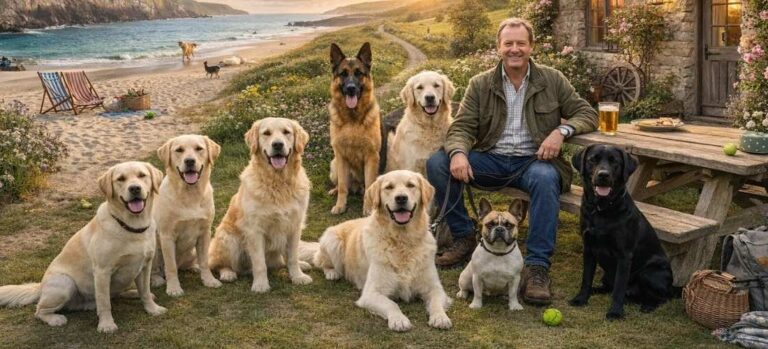
Luke explores the UK with Charlie (German Shepherd), Buster and Ember (Golden Retrievers), Simba and Max (Labradors), and Molly (French Bulldog). This six-dog pack has tested beaches, trails, pubs, and cottages throughout Britain, providing the genuine experience behind every guide on this site.
🐕 Explore More
- Dog-Friendly Holidays UK: The Complete Guide
- Dog-Friendly Lake District: The Complete Guide
- Dog-Friendly Cornwall | Complete Guide
- Dog-Friendly Scotland | Complete Guide
- Dog-Friendly Wales: Your Complete Guide to the Perfect Welsh Adventure
- Dog-Friendly Cottages UK: The Complete Guide
- Dog-Friendly Beaches UK: The Complete Guide
- Travelling with Dogs UK: The Complete Guide

⚠️ Comments Currently Disabled
We've had to temporarily disable our comment section due to a high volume of spam. We apologise for any inconvenience this may cause to our lovely readers!
If you'd like to share your thoughts, experiences, or feedback, please send us an email directly at info@thedogholiday.co.uk and we'll be happy to add your comment manually.
Thank you for your understanding! 🐾
Leave a Comment