

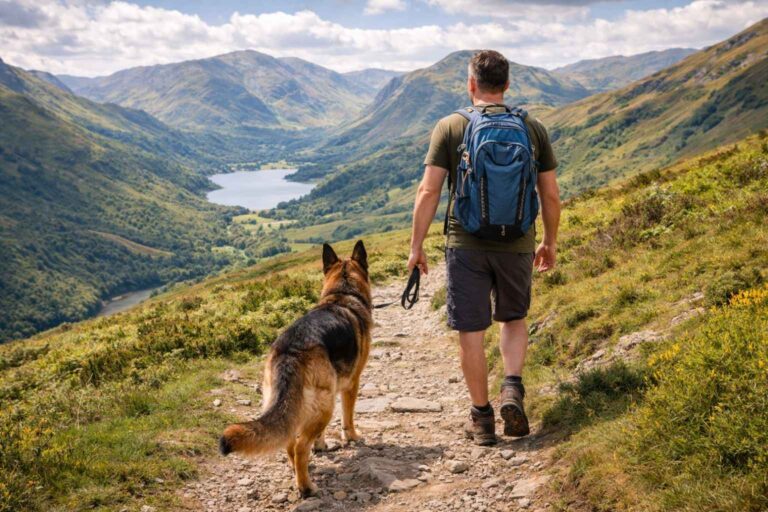
Scotland delivers Britain's finest walking for dogs. The combination of right to roam, dramatic landscapes and vast wilderness creates conditions unmatched elsewhere. Where English walks often involve negotiating stiles, checking access and worrying about livestock, Scottish walking flows freely across open country, through ancient forests and along endless coastlines.
The Scottish Outdoor Access Code provides statutory rights to walk almost anywhere: hills and moors, forests and woods, beaches and coastline, rivers and lochs. This freedom transforms dog ownership. Instead of seeking out permitted routes, you choose landscapes and explore. Instead of leads and restrictions, you manage your dog responsibly in genuinely open country.
What makes Scottish walking exceptional is the scale. Walks that would be day-long expeditions elsewhere become morning excursions. Beaches stretch for miles without other footprints. Mountains rise from sea level to over 4,000 feet. And the variety, from gentle forest trails to challenging Munros, suits every dog and owner regardless of fitness or ambition.
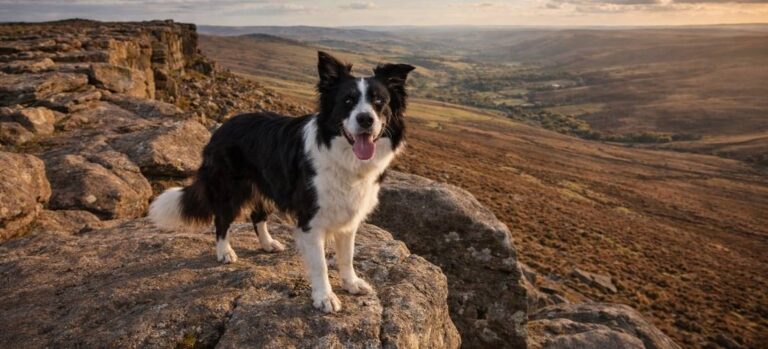
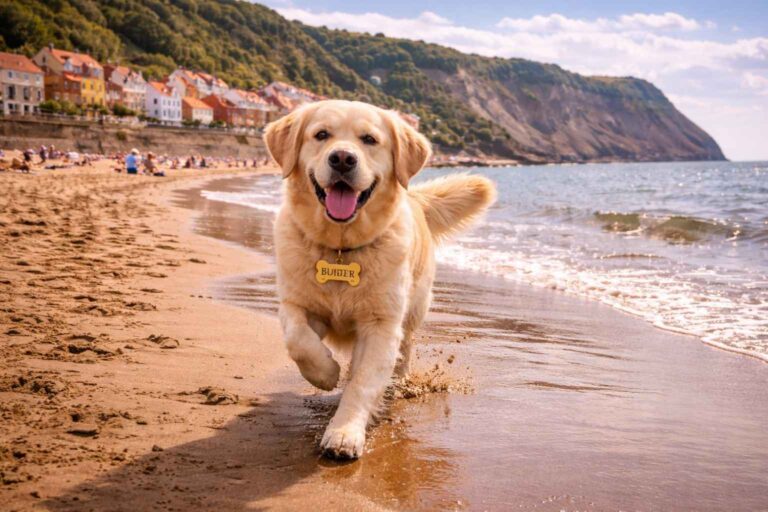
Charlie, Buster, Ember, Simba, Max and Molly have walked across Scotland from the Borders to the far north. We have discovered forest trails where they run freely, mountains that challenge us all, and coastal paths that combine sea views with swimming opportunities. This guide shares our favourite walks and practical advice for exploring Scotland with dogs.
The Cairngorms
Britain's largest national park offers some of Scotland's finest dog walking. The Cairngorms combine ancient Caledonian pine forests with high mountain plateaux, creating varied terrain that suits everything from gentle strolls to serious expeditions.
Forest Walks
The pine forests around Aviemore provide exceptional year-round walking. Ancient Scots pines create cathedral-like spaces where dogs can run freely without livestock concerns. The forest floor, carpeted with heather and blaeberry, offers scent-rich exploration.
Loch an Eilein
Distance: 4.5 miles (circular) Difficulty: Easy Time: 2 hours
This classic Cairngorms walk circles a beautiful loch containing a ruined castle on an island. The well-maintained path passes through pine forest with constant water views. Dogs can swim at several access points. Red squirrels are common, so keep dogs under control if they chase. The walk is popular but the forest absorbs visitors easily.
Start from the Loch an Eilein car park (paid parking). The path is clear throughout and suitable for all fitness levels. Combine with coffee at the visitor centre afterwards.
Uath Lochans
Distance: 2 miles (circular) Difficulty: Easy Time: 1 hour
A shorter alternative near Kingussie offering stunning views from Farleitter Crag across the lochans to the Cairngorm mountains. The waymarked forestry trail provides easy walking through mixed woodland. Dogs enjoy the variety of terrain and multiple small lochs for swimming.
Start from Uath Lochans Forestry car park (PH21 1NX area). The elevated viewpoint rewards minimal effort with one of Scotland's finest panoramas.
Glenmore Forest Park
Distance: Variable (1-10 miles) Difficulty: Easy to moderate Time: 1-4 hours
The forest around Loch Morlich offers extensive trail networks suitable for all abilities. The beach at Loch Morlich provides swimming opportunities with mountain backdrops. Multiple waymarked trails allow you to choose distance and difficulty. The Ryvoan Pass trail extends into wilder country.
Dogs can run freely through much of the forest. The variety of trails means you can return repeatedly without repetition.
Higher Ground
The Cairngorms plateaux offer serious mountain walking for experienced parties with fit dogs. Weather changes rapidly at altitude. Navigation skills are essential. But the rewards include Britain's highest and wildest mountain environments.
Cairn Gorm via the Northern Corries
Distance: 8 miles (circular) Difficulty: Challenging Time: 5-7 hours
The route from the ski centre car park climbs through the Northern Corries to Cairn Gorm summit (1,245m). The terrain above the ski area becomes rough and exposed. Views on clear days extend across the Highlands. Dogs need fitness and owners need mountain experience.
This is serious mountain walking. Weather conditions can deteriorate rapidly. Navigation equipment and skills are essential. Not suitable for inexperienced walkers or unfit dogs.
Isle of Skye
Skye offers dramatic landscapes and varied walking that suits most dogs. The island combines coastal paths, dramatic mountains and gentle moorland. Peak season brings crowds to famous locations, but quieter alternatives always exist.
Classic Skye Walks
The Fairy Pools
Distance: 2.5 miles (out and back) Difficulty: Easy to moderate Time: 1.5 hours
Glen Brittle's famous pools offer accessible walking with stunning scenery. Crystal-clear water cascades through a series of pools beneath the Cuillin mountains. Dogs can swim in the pools (the water is cold but most dogs are enthusiastic). The path is well-maintained with some steep sections.
The car park charges fees. Arrive early to avoid crowds, particularly in summer. The walk extends further up the glen for those wanting more distance.
Old Man of Storr
Distance: 2.5 miles (out and back) Difficulty: Moderate Time: 1.5-2 hours
The most famous walk on the Trotternish Ridge climbs to the extraordinary rock pinnacles created by ancient landslips. The Old Man, a 55-metre basalt pinnacle, dominates the landscape. Views across the Sound of Raasay reward the climb.
The path is steep but well-maintained. Dogs manage the terrain easily. The car park (paid) fills early in summer. Consider evening visits for better light and fewer people.
Quiraing
Distance: 4.5 miles (circular) Difficulty: Moderate Time: 2-3 hours
The Quiraing's dramatic landscape of pinnacles, cliffs and hidden plateaux provides otherworldly walking. The route from the Staffin road car park traverses extraordinary terrain. The "Table", a hidden grassy plateau, offers rest stops with mountain views.
Dogs need to be comfortable on exposed ground. Some sections have steep drops. The path is clear but can be muddy. Early morning or evening visits avoid the worst crowds.
Coral Beach (Claigan)
Distance: 2 miles (out and back) Difficulty: Easy Time: 1 hour
The white "coral" beach near Dunvegan (actually made from crushed coralline algae) provides an easier alternative to mountain walks. The path crosses farmland, so dogs should be on leads until reaching the beach. The beach itself offers swimming and exploration.
The single-track road to the car park requires patience. The beach rewards the journey with Caribbean-like appearance (if not temperature).
Quieter Alternatives
Skye's famous walks attract crowds that can diminish enjoyment. Quieter alternatives offer equal beauty with more space.
Rubha Hunish (northernmost point)
Distance: 5 miles (circular) Difficulty: Moderate Time: 2.5-3 hours
The walk to Skye's northernmost point provides coastal drama without Quiraing crowds. The route passes a ruined coastguard lookout and offers views to the Outer Hebrides. Seabirds nest on the cliffs during breeding season.
Elgol to Camasunary
Distance: 6 miles (out and back) Difficulty: Moderate Time: 3-4 hours
This coastal walk from Elgol provides Cuillin views that rival any on Skye. The path is rougher than more popular routes but rewards with relative solitude and a beautiful bay at Camasunary. Dogs enjoy the beach at the turnaround point.
Perthshire
Central Scotland's "Big Tree Country" offers accessible walking through some of Britain's finest forests. The combination of ancient woodlands, dramatic waterfalls and reasonable distances from Edinburgh and Glasgow makes Perthshire ideal for dog owners.
Forest Walks
The Hermitage
Distance: 1.75 miles (circular) Difficulty: Easy Time: 1 hour
This National Trust for Scotland property near Dunkeld provides maximum reward for minimum effort. Towering Douglas firs (among Britain's tallest trees) create cathedral-like atmosphere. The path leads to Ossian's Hall, an 18th-century folly overlooking the thunderous Black Linn Falls.
Dogs love the forest floor and river sounds. Extended routes connect to Rumbling Bridge and wider forest trails. The car park charges fees (free for NTS members). The walk suits all abilities and ages.
Birks of Aberfeldy
Distance: 2 miles (circular) Difficulty: Easy to moderate Time: 1.5 hours
Robert Burns celebrated this walk in verse, and the appeal remains. The path climbs through birch woodland alongside the Moness Burn, passing waterfalls and crossing bridges. The gorge scenery is dramatic without being demanding.
Start from Aberfeldy town centre (free parking nearby). The walk involves some climbing but remains accessible to most.
Loch Walks
Kenmore Hill
Distance: 3 miles (circular) Difficulty: Moderate Time: 1.5-2 hours
This waymarked circuit above Loch Tay provides outstanding views for moderate effort. The path climbs through woodland to viewpoints overlooking the loch, the village of Kenmore, and the mountains beyond. Expect muddy conditions in wet weather.
Park at the small car park off the Kenmore to Amulree road (signposted "Woodland Walks"). Dogs enjoy the varied terrain and forest exploration.
Ben Vrackie
Distance: 5 miles (out and back) Difficulty: Challenging Time: 3-4 hours
This popular hill above Pitlochry provides proper mountain experience without extreme demands. The well-maintained path climbs through woodland then open moorland to the 841m summit. Views reward the effort.
Dogs need reasonable fitness for the sustained climb. The path is clear throughout. Start from the Ben Vrackie car park at the northern end of Pitlochry.
The Northwest Highlands
The remote northwest delivers Scotland at its most dramatic. Mountains rise directly from sea level. Beaches appear unexpectedly. The landscape feels genuinely wild. Walking here requires preparation but rewards with experiences impossible elsewhere in Britain.
Accessible Walks
Knockan Crag
Distance: 1.5 miles (circular) Difficulty: Easy Time: 1 hour
This National Nature Reserve near Ullapool offers easy walking with geological significance. The trail passes the famous "Moine Thrust", where ancient rocks were pushed over younger ones, revolutionising geological understanding. Views extend across Assynt's extraordinary landscape.
Free parking and 24-hour toilets at the visitor centre. The walk suits all abilities while providing Highland atmosphere.
Bone Caves (Inchnadamph)
Distance: 2 miles (out and back) Difficulty: Easy to moderate Time: 1-1.5 hours
Follow in the footsteps of Scotland's prehistoric inhabitants to caves where bones of reindeer, lynx and even polar bear have been discovered. The walk crosses moorland to dramatic limestone caves set in a cliff face.
Free parking off the A837 (IV27 4HN area). The terrain is rough in places but manageable for most dogs.
Challenging Territory
Stac Pollaidh
Distance: 2.5 miles (circular) Difficulty: Moderate to challenging Time: 2-3 hours
This distinctive sandstone peak provides mountain experience with relatively short distance. The path climbs steeply to the ridge, which offers dramatic views across Assynt. The summit ridge involves scrambling unsuitable for some dogs.
Most dogs can reach the main viewpoints without tackling the exposed summit ridge. The ascent is steep but the path is good. Stunning views reward the effort.
Suilven (for experienced parties)
Distance: 12+ miles (circular from Glencanisp) Difficulty: Very challenging Time: 8-10 hours
Suilven's dramatic profile dominates the Assynt landscape. Reaching it requires serious commitment across rough terrain. The mountain itself involves steep climbing. Only fit dogs with experienced mountain-walking owners should attempt this.
Scottish Borders
The Borders provide gentler walking within easy reach of Edinburgh and northern England. Rolling hills, historic sites and the River Tweed create pleasant landscapes without Highland demands.
Hill Walks
Eildon Hills
Distance: 4 miles (circular) Difficulty: Moderate to challenging Time: 2-3 hours
The distinctive triple peaks of the Eildons rise above Melrose, offering commanding views across the Borders. The climb is steep but paths are good. Roman signal stations once occupied the summits. Views extend to the Cheviots and beyond.
Start from Melrose town centre. The initial climb is demanding but rewards with exceptional panoramas. Dogs manage the terrain well.
Ruberslaw
Distance: 6.5 miles (circular) Difficulty: Moderate Time: 3-4 hours
This volcanic hill near Hawick offers excellent walking with historical interest. The Iron Age hillfort on the summit provides context for the landscape. Views extend across the Borders.
Start from Denholm village. The route combines woodland, farmland and open hill. Dogs enjoy the variety.
River Walks
River Tweed at Melrose
Distance: Variable Difficulty: Easy Time: 1-3 hours
The Tweed provides gentle walking along well-maintained paths. Options extend from short strolls to longer routes connecting Melrose with neighbouring towns. The river attracts fishermen but plenty of space remains for walkers and dogs.
Combine with visits to Melrose Abbey and the excellent dog-friendly pubs in town.
St Cuthbert's Way (sections)
Distance: Variable Difficulty: Easy to moderate Time: 1-4 hours
This long-distance path connecting Melrose with Lindisfarne passes through beautiful Border countryside. Day sections provide excellent walking without multi-day commitment. The riverside stretch from Melrose to St Boswells offers particularly pleasant walking with abbey views.
Dumfries and Galloway
Scotland's overlooked southwest provides excellent walking without Highland crowds. Forested hills, quiet coastline and dark skies create different but equally rewarding experiences.
Forest Walks
Galloway Forest Park
Distance: Variable (1-15+ miles) Difficulty: Easy to moderate Time: 1-6+ hours
Britain's largest forest park offers extensive walking through mixed woodland and moorland. The 7Stanes mountain bike trails double as excellent dog walks. Multiple waymarked routes around Glentrool, Kirroughtree and Clatteringshaws suit all abilities.
The forest designation as a Dark Sky Park means minimal light pollution, excellent for winter evening walks. Dogs can run freely through much of the forest without livestock concerns.
Raiders Road
Distance: 10 miles (linear or out and back sections) Difficulty: Easy Time: Variable
This forest drive through Galloway Forest includes multiple stopping points for walks. The route follows the Black Water of Dee through varied woodland. Several short walks connect the stopping points, allowing customised distances.
Seasonal access (road closes in winter). The combination of driving and walking suits families wanting variety.
Coastal Walks
Mull of Galloway
Distance: 2-4 miles (various routes) Difficulty: Easy to moderate Time: 1-2 hours
Scotland's most southerly point offers dramatic clifftop walking with lighthouse views. The circular routes around the headland provide seabird watching opportunities. Dogs must be kept on leads near cliff edges.
The visitor centre welcomes dogs outside. The location's remoteness means quiet conditions even in summer.
Portpatrick Coastal Path
Distance: Variable Difficulty: Easy to moderate Time: 1-4 hours
The attractive harbour village of Portpatrick marks the start of the Southern Upland Way. Shorter sections provide excellent coastal walking without long-distance commitment. The path north towards Killantringan Lighthouse offers dramatic cliff scenery.
Argyll and the Islands
The western seaboard combines sea loch, mountain and island landscapes in uniquely Scottish fashion. Ferry-dependent destinations add adventure to every journey.
Mull
Tobermory to Aros Park
Distance: 3 miles (circular) Difficulty: Easy Time: 1.5 hours
This woodland walk from Mull's colourful capital provides easy exercise with waterfall views. The path through Aros Park passes through mixed woodland with occasional sea glimpses. Dogs enjoy the forest environment.
Calgary Bay
Distance: Variable Difficulty: Easy Time: 1-2 hours
The beach and surrounding area at Calgary provide excellent walking and swimming. The bay's white sand and clear water attract visitors, but the coastline extends beyond the main beach. Dogs can explore freely.
Arran
Goatfell
Distance: 8 miles (out and back) Difficulty: Challenging Time: 5-7 hours
Arran's highest peak (874m) provides proper mountain walking accessible by ferry from Ardrossan. The path from Brodick climbs through woodland then open moorland to the rocky summit. Views extend across the Firth of Clyde.
Dogs need fitness and owners need mountain experience. The summit ridge involves some scrambling. Weather conditions can change rapidly.
Glenashdale Falls
Distance: 4 miles (circular) Difficulty: Moderate Time: 2-2.5 hours
A gentler Arran alternative, this woodland walk leads to impressive waterfalls. The path from Whiting Bay climbs through forest to viewpoints overlooking the falls. Dogs enjoy the forest trails and stream crossings.
Edinburgh and Surroundings
Scotland's capital offers surprising walking opportunities within the city and easy access to proper countryside.
City Walks
Arthur's Seat
Distance: 2.5 miles (circular via main path) Difficulty: Moderate Time: 1.5-2 hours
The ancient volcano rising from Holyrood Park provides genuine hill walking within Edinburgh. Multiple routes suit different abilities. The main path from Holyrood Palace climbs past St Margaret's Loch to the 251m summit. Views across the city reward the effort.
Dogs must be on leads in the royal park but the variety of routes and terrain provides excellent urban exercise.
Water of Leith
Distance: 12 miles (full route) or shorter sections Difficulty: Easy Time: Variable
This riverside path runs from Balerno to Leith, passing through varied Edinburgh neighbourhoods. Sections through Dean Village and Stockbridge provide attractive urban walking. Dogs can access the water at various points.
Day Trips from Edinburgh
Pentland Hills
Distance: Variable (2-15+ miles) Difficulty: Easy to challenging Time: 1-6+ hours
The range south of Edinburgh provides accessible hill walking. Multiple routes from various starting points suit all abilities. The reservoir paths offer easy walking. Higher routes to peaks like Allermuir (493m) and Carnethy (573m) provide more challenging options.
Dogs enjoy the open moorland. Some areas have livestock during lambing season.
East Lothian Coast
Distance: Variable Difficulty: Easy Time: Variable
The coast from Musselburgh to Dunbar offers excellent beach walking. Gullane, North Berwick and Yellowcraigs provide popular options. Most beaches welcome dogs year-round (check for seasonal restrictions at busiest beaches).
Long-Distance Routes
Scotland's long-distance paths welcome dogs throughout, offering multi-day adventures for those seeking extended exploration.
West Highland Way
Distance: 96 miles (Milngavie to Fort William) Difficulty: Challenging Time: 6-8 days typically
Scotland's most famous long-distance path crosses varied terrain from the outskirts of Glasgow to the foot of Ben Nevis. The route passes Loch Lomond, crosses Rannoch Moor and descends through Glen Nevis. Dogs must be fit and owners must book dog-friendly accommodation in advance.
The path is well-waymarked throughout. Some sections cross open moorland where livestock graze. The final descent into Fort William provides memorable views.
Great Glen Way
Distance: 79 miles (Fort William to Inverness) Difficulty: Moderate Time: 4-6 days typically
This route follows the geological fault line connecting Fort William with Inverness, passing Loch Ness and using sections of the Caledonian Canal towpath. Easier terrain than the West Highland Way makes this suitable for less experienced parties.
The canal sections provide flat walking. Forest and lochside sections offer variety. Dogs enjoy the water access throughout.
Practical Advice
Livestock
Sheep graze across much of Scotland, including areas that appear wild and uninhabited. The Scottish Outdoor Access Code requires dogs to be kept under close control around livestock. During lambing season (March to May), take particular care, as disturbance can cause ewes to reject lambs.
If you cannot reliably recall your dog, keep them on a lead around livestock. No walk is worth the distress caused to sheep or the potential consequences for your dog.
Ground-Nesting Birds
Moorland birds including capercaillie, black grouse, golden plover and skylark nest on the ground. During breeding season (March to July), keep dogs close on moorland to avoid disturbing nests. This is particularly important in the Cairngorms where capercaillie populations are vulnerable.
Deer Stalking
Highland estates conduct deer stalking from August to February (stags August-October, hinds October-February). Responsible walkers can usually proceed, but checking locally avoids disruption. The Heading for the Scottish Hills website provides information on stalking activity.
Ticks
Scotland has significant tick populations, particularly in areas with deer and sheep. Check dogs (and yourself) thoroughly after walks through vegetation. Remove ticks promptly with proper tick removers. Discuss tick prevention with your vet before travelling.
Weather
Scottish weather changes rapidly, particularly in the mountains. Carry waterproofs regardless of forecast. In the Highlands, be prepared for conditions significantly colder than at lower elevations. Check forecasts before mountain walks and be prepared to turn back if conditions deteriorate.
Water
Dogs can swim in most Scottish lochs and rivers. However, blue-green algae can occur in warm weather, making water toxic. If water appears discoloured or has surface scum, keep dogs out. Cold water, even in summer, can cause problems for dogs unused to low temperatures.
Navigation
Mobile phone signals are unreliable in remote areas. Carry paper maps and compass for any walk beyond maintained paths. Know how to use them. GPS devices provide backup but should not be sole reliance.
Book Your Stay
Ready to explore Scotland's walks? Browse dog-friendly cottages with walking from the door, or find accommodation across Scotland.
FAQs
Can dogs go off-lead on Scottish walks?
Dogs can be off-lead when under close control, meaning they respond immediately to recall. However, leads are essential around livestock (particularly sheep), near ground-nesting birds (moorland, March-July), and in busy areas. The Scottish Outdoor Access Code requires responsible behaviour rather than mandatory leads.
Are dogs allowed on Munros?
Yes, dogs can climb Munros (Scottish peaks over 3,000 feet), but consider fitness carefully. Mountain terrain is demanding. Weather conditions can be severe. Not all dogs suit high mountain environments. Start with lower hills to assess your dog's capability.
What about dogs and midges?
Midges typically cause less distress to dogs than humans, though they can irritate thin-skinned areas. Dogs with thick coats cope better than short-haired breeds. Midge season runs roughly late May to September, worst in still, humid conditions near water in western areas.
Do I need special equipment for Scottish walks?
For forest and low-level walks, standard walking gear suffices. For mountain walks, carry waterproofs, warm layers, food, water, map, compass and first aid kit. Dog boots help on very rough terrain. A dog coat benefits short-haired breeds in cold or wet conditions.
Are Scottish walks suitable for older dogs?
Scotland offers walks for all abilities. Forest trails (Cairngorms, Perthshire), lochside paths and gentle coastal routes suit older dogs. Avoid mountain walks and challenging terrain. Many excellent walks cover 2-4 miles on good paths, providing exercise without excessive demands.
When is the best time for walking in Scotland?
Late spring (May-June) and early autumn (September-October) often provide ideal conditions: reasonable weather, lighter crowds, and manageable midges. Summer offers longest days but busiest conditions. Winter suits experienced walkers but days are short and weather challenging.
Can dogs swim in Scottish lochs?
Yes, most lochs welcome swimming. However, watch for blue-green algae in warm weather (avoid discoloured water or surface scum). Water temperatures remain cold even in summer. Not all dogs cope well with cold water. Supervise swimming and limit time in very cold conditions.
Are there dog-friendly cafes near walking routes?
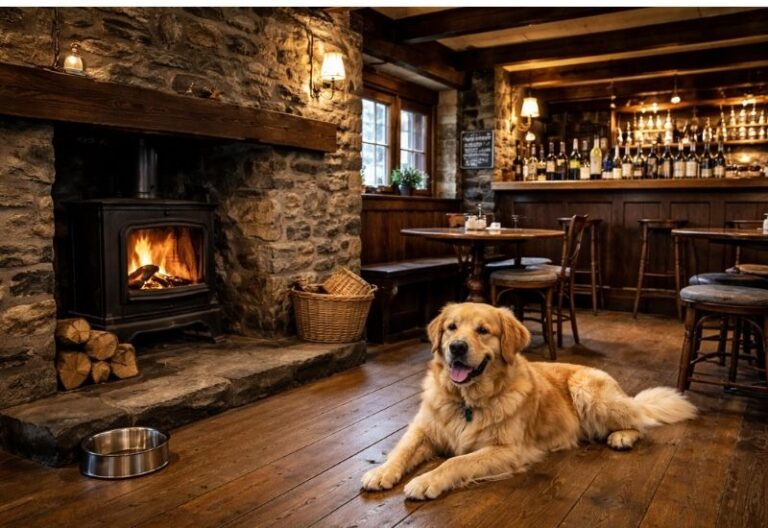
Many Scottish walking destinations have dog-friendly pubs and cafes nearby. The Cairngorms area is particularly well-served. Skye has options in Portree and Dunvegan. Forest visitor centres often welcome dogs. Check individual policies before entering.
Final Thoughts
Scottish walking transforms dog ownership. The combination of right to roam, vast landscapes and genuine wilderness creates conditions where dogs can be properly canine: running, exploring, swimming, and engaging with environments that stimulate every sense.
The walks we have shared represent starting points rather than complete lists. Scotland contains thousands of miles of walking, from gentle forest trails to serious mountain expeditions. The best walks often emerge from exploration rather than guides, from following paths that look interesting and discovering what lies beyond.
Charlie, Buster, Ember, Simba, Max and Molly approach Scottish walks differently now. They understand the freedom this landscape offers. They know that beaches extend beyond sight, that forests welcome running, that mountains reward climbing. Scotland has shaped their expectations of what walking means.
The practical challenges are real. Weather demands preparation. Livestock requires responsibility. Remote locations involve self-reliance. But these challenges create the conditions that make Scottish walking special. The effort required filters out casual visitors, leaving space and wilderness for those willing to embrace it.
Find your base for Scottish walking and discover why this country offers Britain's finest dog-friendly adventures.
Happy exploring.
Charlie, Buster, Ember, Simba, Max, Molly and Luke
Walking conditions change with weather and season. Always check forecasts before setting out, particularly for mountain walks. Respect the Scottish Outdoor Access Code and the needs of land managers, wildlife and other users.

⚠️ Comments Currently Disabled
We've had to temporarily disable our comment section due to a high volume of spam. We apologise for any inconvenience this may cause to our lovely readers!
If you'd like to share your thoughts, experiences, or feedback, please send us an email directly at info@thedogholiday.co.uk and we'll be happy to add your comment manually.
Thank you for your understanding! 🐾
Leave a Comment