
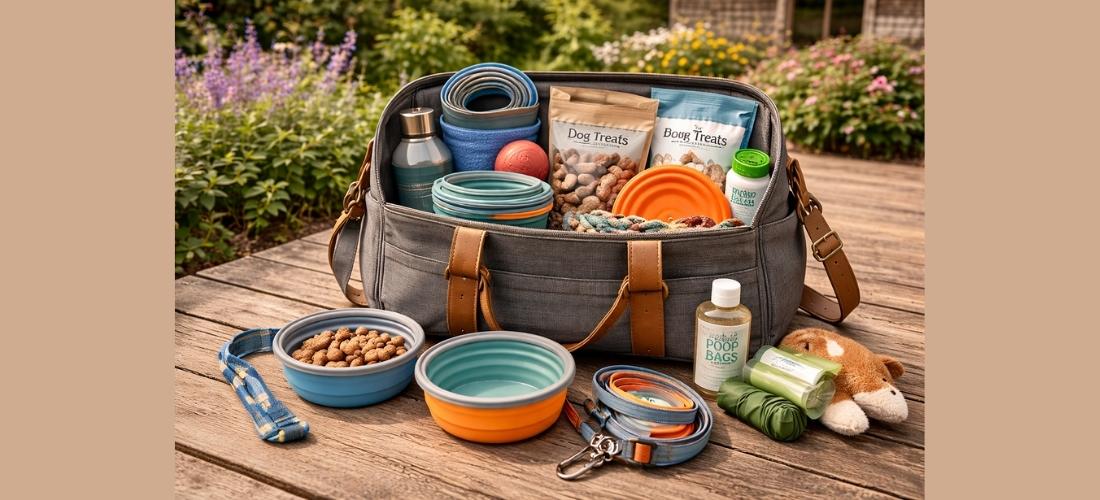
Packing for a holiday with your dog takes more thought than throwing a few things in a bag. Get it right and you'll have everything you need for any situation. Get it wrong and you'll be hunting for a pet shop in an unfamiliar town on a Saturday evening.
After countless trips across Britain with Charlie, Buster, Ember, Simba, Max and Molly, I've refined our packing list to essentials that genuinely matter. Six dogs means six times the potential for forgotten items, muddy paws, unexpected rain and enthusiastic swimming in places I hadn't planned for. Every item on this list has earned its place through necessity.
This guide covers everything from car safety equipment to first aid supplies, everyday essentials to specialist gear for different adventures. Whether you're heading to a dog-friendly cottage for a weekend or embarking on a two-week road trip around Scotland, this checklist ensures you're prepared. For advice on actually getting there, see our travelling with dogs guide.
Car Safety Equipment
Safe car travel isn't optional. The Highway Code requires dogs to be suitably restrained, and proper equipment protects both your dog and everyone in the vehicle.
Crash-Tested Harnesses
Not all dog harnesses are created equal. Many marketed as "car harnesses" have never been tested in crash conditions and offer no real protection. Look for harnesses that have been independently crash-tested to recognised standards.
Top Crash-Tested Options:
Sleepypod Clickit Sport The gold standard in dog car safety. Earned a 5-star rating from the Center for Pet Safety. The patented Infinity Loop design distributes crash forces across your dog's body, while three seat belt contact points reduce forward and lateral movement. Converts to a walking harness when you arrive. Available for dogs up to 40kg.
Kurgo Enhanced Strength Tru-Fit Crash-tested using child safety seat standards. Features all-steel hardware and a padded chest plate for comfort. Five adjustment points ensure a custom fit. The included carabiner attaches to your car's seat belt system. Works for dogs up to 34kg.
EzyDog Drive Designed with seatbelt-grade webbing and aluminium alloy hardware. Once fitted, no adjustments needed for subsequent journeys. Includes front and back leash attachments for versatility. Crash-tested to US standards.
Company of Animals CarSafe A UK-designed option crash-tested for dogs up to 32kg. Uses one continuous loop of seatbelt material for strength. Padded chest and neck straps for comfort. Converts to a walking harness with front and back D-rings.
Ruffwear Load Up Built for adventure dogs with tough polyester construction and all-metal hardware. Strength-rated components throughout. The harness attaches to the vehicle via the seatbelt loop, keeping your dog secure on the back seat.
Dog Crates and Cages
For larger dogs or those who prefer enclosed spaces, a sturdy crate offers excellent protection.
Considerations for Car Crates:
- Size: Large enough for your dog to stand, turn and lie down comfortably
- Material: Strong metal construction for maximum protection
- Securing: Must be properly secured using vehicle anchor points or straps
- Ventilation: Adequate airflow on multiple sides
- Crash-testing: Some premium crates (like Gunner Kennels) are crash-tested
Crates work particularly well in estate cars and SUVs where the boot provides a natural crate location. Secure crates to lashing points or use non-slip mats to prevent movement.
Dog Guards
A dog guard creates a barrier between the boot and rear seats, containing your dog in the boot area. While not as protective as a harness or crate in a crash, guards prevent dogs from climbing into the passenger compartment and provide a defined space.
Types:
- Headrest-mounted guards (attach to rear seat headrests)
- Custom-fit guards (designed for specific vehicle models)
- Universal guards (adjustable to fit most vehicles)
For maximum safety, combine a dog guard with a harness that clips to boot anchor points.
Boot Liners and Seat Covers
Protecting your car from mud, hair and the occasional wet dog shake makes cleanup easier and protects resale value.
Boot Liners:
- Custom-fit liners designed for your specific vehicle
- Universal liners with adjustable sizing
- Raised edges to contain mud and water
- Non-slip backing to prevent movement
Seat Covers:
- Hammock-style covers that protect rear seats and prevent dogs falling into footwells
- Waterproof materials for wet dogs
- Easy to remove and machine wash
- Some include seatbelt openings for harness attachment
Food and Water
Consistency matters when travelling. Sudden changes to diet can upset your dog's stomach, turning a relaxing holiday into a series of emergency toilet stops.
Food
Pack more than you need. Calculate the amount required for your trip, then add at least two extra days' worth. Delays happen, and finding your dog's specific food in an unfamiliar area isn't always straightforward.
Dry food travels best. It stays fresh longer, doesn't require refrigeration, and causes less mess. If your dog eats wet food, consider switching to dry for travel or packing the wet food carefully with cooling if needed.
Storage options:
- Airtight containers keep food fresh and prevent spillage
- Pre-portioned bags for each meal simplify feeding
- A scoop or measuring cup ensures consistent portions
- Resealable bags for treats
Water
Dogs can be surprisingly sensitive to water changes. Different areas have different mineral content, and some dogs react with digestive upset.
Options:
- Bring bottled water from home for the journey and first day
- Gradually transition to local tap water
- Collapsible bottles with built-in bowls for walks
- A large water container for the accommodation
Bowls
Collapsible silicone bowls are the traveller's best friend. Lightweight, packable and easy to clean, they take up almost no space and can be clipped to a bag or belt.
Bring at least two: one for food, one for water. Consider a third for walks so you always have a clean water bowl available.
Slow feeder bowls for dogs who eat too quickly travel less well but may be worth packing if your dog needs one.
Leads, Collars and Harnesses
Everyday Lead
Your standard lead for daily walks. Whatever your dog is comfortable with works fine. Consider:
- Length appropriate for your walking style (shorter for roadside, longer for open areas)
- Strong clip that won't fail
- Comfortable handle for long walks
Long Line
A training lead or long line (typically 5 to 15 metres) provides freedom while maintaining control. Essential for:
- Beaches where dogs must stay on leads during summer
- Areas with livestock where off-lead isn't appropriate
- Training recall in new environments
- Dogs who can't be trusted off-lead in unfamiliar places
Spare Lead
Leads break, get lost, or occasionally get chewed. A spare prevents a holiday being derailed by a simple equipment failure.
Collar with ID Tag
By law, dogs in public must wear a collar with an ID tag showing the owner's name and address. While microchipping is also required, the visible ID tag remains a legal necessity.
For holidays, consider:
- A temporary tag with your holiday address and mobile number
- Ensuring the permanent tag has your mobile number (more useful than a landline you won't answer)
- Checking the collar fits properly and hasn't worn
Walking Harness
If your dog walks on a harness, pack it alongside any car harness. Many crash-tested car harnesses double as walking harnesses, simplifying packing.
Bedding and Comfort
Dogs settle better in new environments when surrounded by familiar scents. The first night in a strange place can be unsettling, but familiar bedding provides reassurance that helps dogs relax.
Bed or Blanket
Even if your accommodation provides dog bedding, bringing something from home helps your dog feel secure. The scent of home lingers on familiar fabrics, providing comfort when everything else is unfamiliar.
Travel beds: Compact, packable beds designed for travel. Often roll up or fold flat for easy transport. Look for waterproof bases that protect against damp floors and easy-clean materials for post-adventure washing.
Familiar blanket: A blanket from your dog's usual bed carries comforting scents of home. Lightweight and packable, blankets work anywhere: in the car, at accommodation, or layered in a crate.
Crate pad: If your dog sleeps in a crate at home, the familiar pad makes any crate feel like their own. The combination of familiar crate and pad creates a portable den that travels with you.
Choosing what to bring: For short breaks, a blanket usually suffices. For longer holidays or anxious dogs, consider bringing the actual bed if space allows. Dogs who struggle to settle benefit most from maximum familiarity.
Crate (if used at home)
Dogs who sleep in crates often settle better with their crate available. The enclosed space provides security, and dogs trained to view their crate as a safe space carry that association wherever the crate goes.
Folding metal crates collapse flat for transport and reassemble quickly. They're heavier but durable and familiar to most dogs.
Fabric travel crates are lighter and more portable but offer less security and aren't suitable for dogs who might chew or push against the sides.
Consider whether your dog genuinely needs their crate or whether a familiar blanket provides sufficient comfort. Crates take up significant car space, so weigh the benefit against practicality.
Toys
Pack a few favourites rather than the entire toy box. Familiar toys provide comfort and entertainment without overwhelming your packing.
Comfort toy: A soft toy your dog associates with rest and relaxation. Particularly useful for settling in new environments.
Chew: Long-lasting chews occupy dogs during quiet times. Kongs stuffed with treats, antlers, or durable chews work well. Avoid anything that creates mess or requires supervision you can't provide.
Interactive toy: Puzzle feeders or treat-dispensing toys provide mental stimulation on days when weather limits outdoor activity.
Fetch toy: A ball or retriever dummy for active play. Essential for dogs who need to burn energy.
Tip: Don't bring your dog's absolute favourite toy if losing it would cause distress. Pack the second favourite instead. Toys get lost in long grass, left behind at beaches, or occasionally destroyed by holiday enthusiasm.
Grooming and Cleaning
Dogs on holiday encounter mud, sand, water, and all manner of interesting things to roll in. British weather adds rain to the mix on most trips. Be prepared for mess.
Towels
Pack more towels than you think you need. They're used constantly and are among the most valuable items in your dog travel kit:
- Drying after rain, swimming or muddy walks
- Wiping paws before entering accommodation
- Protecting car seats and furniture
- Emergency blankets if dogs get cold
- Laying on floors to give dogs a clean space
- Cleaning up spills and accidents
Microfibre towels dry dogs quickly, absorb significantly more water than cotton, and pack much smaller than regular towels. They're lightweight, quick-drying and perfect for travel.
Dog drying coats work brilliantly for longer-coated breeds. After a swim or muddy walk, pop the coat on and it absorbs moisture while your dog moves around. By the time you reach the car or accommodation, they're significantly drier.
Pack at least three towels for a single dog, more for multiple dogs or extended trips. Dedicated paw-wiping towels by doors prevent muddy footprints throughout your accommodation.
Poo Bags
The unglamorous essential. Pack far more than you think you'll need. Tuck them in every coat pocket, bag and car door pocket. Running out isn't an option.
Quantity guidance: A dog producing two poos per day for a week needs a minimum of 14 bags. Double that for safety, then add more. They weigh nothing and take up minimal space.
Biodegradable bags are widely available and the environmentally responsible choice. However, check they're genuinely compostable rather than just degradable. Bags labelled "degradable" often simply break into microplastics, which is worse than regular plastic in some ways.
Bag dispensers that clip to leads ensure you always have bags available on walks. Refill these before each trip.
Grooming Kit
Minimum for any trip:
- Brush appropriate for your dog's coat type
- Comb for working through tangles (especially important after beach or woodland walks)
If needed:
- Detangling spray for long or curly coats
- Nail clippers for emergencies
- Ear cleaner (particularly for floppy-eared breeds after swimming)
- Shampoo for emergency baths after encounters with fox poo or worse
Coat type considerations: Short-coated dogs need minimal grooming but still benefit from a quick brush to remove loose hair. Long-coated breeds may need daily attention to prevent matting, especially after wet or muddy walks. Wire-coated breeds can pick up burrs and debris that require careful removal.
Cleaning Supplies
For accidents and general mess:
Enzyme cleaner breaks down organic matter and eliminates odours at the molecular level. Essential for toilet accidents as it prevents repeat marking. Standard cleaners mask odours temporarily; enzyme cleaners remove them completely.
Kitchen roll or paper towels for immediate cleanup. Pack a full roll and expect to use it.
Lint roller for furniture and clothing. Dogs on sofas (where allowed) leave hair. A lint roller before departure maintains your deposit.
Wet wipes for quick paw cleaning between proper washes. Dog-specific wipes or fragrance-free baby wipes both work well. Keep a pack in the car for post-walk cleanups.
First Aid Kit
A dog-specific first aid kit can handle minor injuries and stabilise more serious ones until you reach a vet. Don't rely on human first aid supplies as some aren't safe for dogs.
Essential First Aid Items
Wound Care:
- Sterile gauze pads and rolled gauze
- Self-adhesive bandage (vet wrap) that sticks to itself, not fur
- Medical tape
- Antiseptic wipes (chlorhexidine-based, not alcohol)
- Saline solution for flushing wounds and eyes
- Antibiotic spray or ointment (pet-safe formulations)
- Blunt-ended scissors for cutting bandages
Tools:
- Tick remover (essential for countryside holidays)
- Tweezers for splinters and thorns
- Digital thermometer (normal dog temperature: 38 to 39.2°C)
- Disposable gloves
- Syringe or eyedropper for administering liquids
- Torch for examining injuries
Emergency Items:
- Styptic powder or pencil (stops nail bleeding)
- Emergency blanket (for shock or keeping warm)
- Muzzle (even friendly dogs may bite when in pain)
- Slip lead (backup if primary lead fails)
Documentation:
- Vet contact details (home vet and local emergency vet at destination)
- Pet insurance information
- Copy of vaccination records
- Recent photo (useful if dog goes missing)
- List of any medications with dosages
Tick Removal
Ticks are increasingly common across the UK, particularly in areas with deer and livestock. Check your dog thoroughly after walks through long grass, woodland and moorland, especially in the Lake District, Scotland and Yorkshire.
How to remove a tick:
- Use a proper tick removal tool (hooks or cards designed for the purpose)
- Slide the tool under the tick as close to the skin as possible
- Twist gently while lifting to remove the tick complete with head
- Clean the area with antiseptic
- Monitor for signs of infection
Never pull ticks with fingers, burn them, or cover them in substances. These methods increase the risk of the tick's head remaining embedded or the tick regurgitating into the wound.
When to See a Vet
First aid handles minor issues. Seek veterinary attention for:
- Deep cuts or wounds that won't stop bleeding
- Suspected broken bones
- Difficulty breathing
- Collapse or unresponsiveness
- Suspected poisoning
- Severe vomiting or diarrhoea
- Eye injuries
- Signs of heatstroke
- Any injury you're uncertain about
Before you travel, research emergency vets near your destination. Having numbers saved in your phone prevents panic searching during a crisis.
Weather Protection
British weather is unpredictable. Pack for all conditions.
Coats and Jackets
Waterproof coats are essential for most dogs. Even breeds with thick coats benefit from staying dry in heavy rain. Look for:
- Good coverage (chest and back protected)
- Easy on and off
- Reflective elements for visibility
- Secure fastenings that won't come undone
Fleece or insulated coats for cold weather, especially for short-coated breeds, elderly dogs, or those who feel the cold.
Cooling Gear
For warm weather:
- Cooling mats (gel-based mats that stay cool)
- Cooling vests (soak in water for evaporative cooling)
- Portable water bottle for frequent drinks
- Shade options for beach days
Paw Protection
Paw balm protects pads from hot pavements, rough terrain, salt and ice. Apply before walks and reapply as needed.
Dog boots provide protection on very hot surfaces, sharp terrain, or for dogs with injured paws. Most dogs need time to adjust to wearing boots.
Documentation and Identification
ID Tags
Legal requirement. Must show owner's name and address. Add your mobile number for practicality.
Microchip
Ensure your microchip details are up to date before travelling. If you've moved or changed phone numbers, update the database. Carry your microchip number in case it needs to be checked.
Insurance Documents
Pet insurance details including policy number and emergency contact. Many insurers have 24/7 helplines.
Vaccination Records
Carry copies in case needed by emergency vets. Essential if travelling abroad.
Animal Health Certificate
Required for travel to EU countries. Must be issued by a vet within 10 days of travel. Confirms microchip, rabies vaccination and health status.
Destination-Specific Extras
Different holidays require different gear. What you pack for a beach holiday in Cornwall differs significantly from a walking week in the Lake District or a city break in Edinburgh.
Beach Holidays
If you're heading to dog-friendly beaches, pack accordingly:
- Long line for beaches with lead restrictions during summer months
- Towels (extra for sand removal)
- Fresh water (sea water causes stomach upset if swallowed)
- Shade (portable beach tent or umbrella)
- Paw rinse bottle for removing salt and sand
Walking and Hiking Holidays
For serious dog walks and hiking adventures:
- Dog backpack (let them carry their own water and treats)
- High-visibility or reflective gear
- Extra water and collapsible bowl
- First aid kit (especially tick remover for moorland and woodland)
- Emergency foil blanket
- Paw protection for rough terrain
City Breaks
Urban adventures require different preparation:
- Shorter lead for busy streets
- Poo bags (cities often lack bins)
- Portable water bowl
- Treats for maintaining focus around distractions
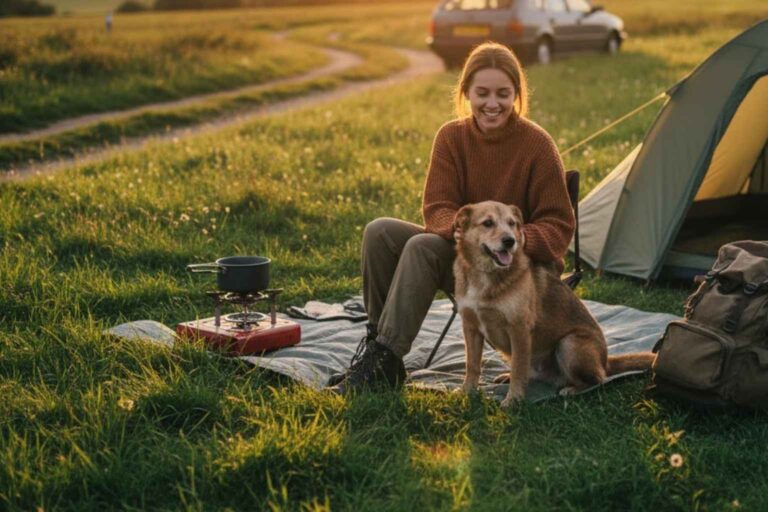
Camping and Glamping
For dog-friendly camping and glamping trips:
- Tie-out stake or ground anchor
- Extended lead for campsite use
- Dog-specific sleeping bag or extra blankets
- Torch for night-time toilet trips
- Insect repellent (dog-safe formulation)
The Master Packing Checklist
Print this checklist or save it to your phone:
Car Safety:
- Crash-tested harness or crate
- Dog guard (if used)
- Boot liner or seat cover
- Sunshade for windows
Food and Water:
- Food (plus extra)
- Treats
- Collapsible bowls (minimum 2)
- Water bottle
- Food storage container
Walking Gear:
- Primary lead
- Long line
- Spare lead
- Collar with ID tag (updated)
- Walking harness
Bedding and Comfort:
- Bed or blanket from home
- Favourite toys (2 to 3)
- Crate (if used)
Grooming and Cleaning:
- Towels (multiple)
- Poo bags (lots)
- Brush and comb
- Enzyme cleaner
- Lint roller
First Aid:
- Complete first aid kit
- Tick remover
- Prescribed medications
- Vet contact numbers
Weather Gear:
- Waterproof coat
- Warm coat (if needed)
- Cooling gear (if needed)
- Paw balm
Documentation:
- ID tag (with holiday contact)
- Microchip details
- Insurance information
- Vaccination records
- Recent photo
Book Your Stay
With your packing sorted, you need somewhere to go. Our booking page brings together the UK's best dog-friendly accommodation, from coastal cottages to countryside lodges.
Book Your Dog-Friendly Accommodation
Every property welcomes dogs, and many provide extras like dog beds, bowls and treat baskets. Whether you prefer a luxury hotel or a cosy pub with rooms, you'll find options across every region.
FAQs
What should I pack for my dog on holiday?
+Do I need a first aid kit for my dog?
+What's the best dog car harness UK?
+How much food should I pack for my dog?
+Should I bring my dog's bed on holiday?
+What documents do I need for travelling with my dog UK?
+How do I keep my dog cool while travelling?
+What's in a dog travel first aid kit?
+Final Thoughts
Packing well transforms dog holidays from stressful to seamless. Having the right equipment means you're prepared for rain, mud, minor injuries and everything else British weather and countryside can throw at you.
My packing routine has evolved over years of travelling with Charlie, Buster, Ember, Simba, Max and Molly. The dedicated dog bag lives permanently packed with essentials, topped up after each trip with fresh supplies. When a holiday approaches, I add food, medications and destination-specific items. The system works because it's consistent.
Your list will differ based on your dog's needs, your destinations and your travel style. But the fundamentals remain the same: safety equipment, familiar comforts, health supplies and practical everyday items. Get these right and you're set for adventures anywhere in the UK.
Happy packing, and even happier travels.
Charlie, Buster, Ember, Simba, Max, Molly and Luke
Continue Planning Your Trip
Now you know what to pack, explore where to go. Our dog-friendly holidays guide covers destinations across the UK, from the Lake District to Cornwall, Scotland to the Yorkshire coast. For more regions, explore our guides to Wales, Devon, the Peak District, Norfolk and the Cotswolds.
For accommodation, browse dog-friendly cottages, lodges, hotels and glamping options. Each guide covers what to expect, what's provided and how to find the best properties for you and your dog.
Once you arrive, discover the best dog-friendly walks, beaches, attractions and restaurants to make the most of your trip. Our travelling with dogs guide explains the rules and practicalities for car, train, ferry and air travel across the UK and beyond.
Product recommendations are based on research and personal experience. Prices and availability may change. Always verify product specifications before purchase, particularly for safety equipment.


⚠️ Comments Currently Disabled
We've had to temporarily disable our comment section due to a high volume of spam. We apologise for any inconvenience this may cause to our lovely readers!
If you'd like to share your thoughts, experiences, or feedback, please send us an email directly at info@thedogholiday.co.uk and we'll be happy to add your comment manually.
Thank you for your understanding! 🐾
Leave a Comment